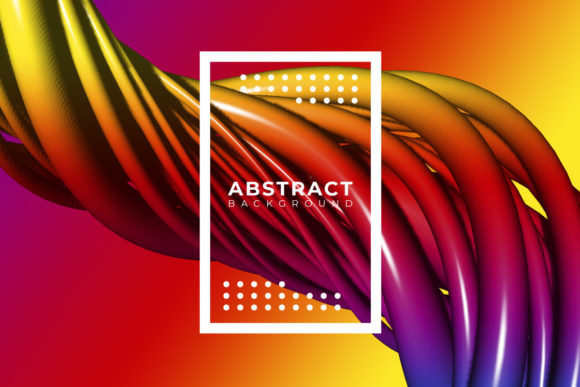
Abstract 3D Background Design
What Abstract 3D Background Design Actually Means in Practice
When you hear the term abstract 3D background design, it is easy to imagine something purely decorative—maybe a flashy visual you would see on a tech startup’s homepage or inside a futuristic video game. In reality, abstract 3D background design has become a versatile tool that people across many fields use to add depth, mood, and character to their work. Think of it as a way to create a visual environment that feels dimensional without needing a literal scene. Instead of photographing a real space or illustrating a specific object, you generate shapes, gradients, textures, and lighting effects that exist somewhere between geometry and art. That flexibility is exactly why so many creators and professionals have started relying on it.
Where and Why People Use Abstract 3D Backgrounds
You will find abstract 3D background design in places that need to communicate something modern, creative, or immersive without overwhelming the main message. A blogger writing about mindfulness might use a soft, flowing 3D gradient background to make their site feel calm and spacious. A freelancer building a portfolio page for their design work might choose a subtle 3D mesh background that hints at technical skill without distracting from their projects. The reason these backgrounds work so well is that they occupy a middle ground—they add visual interest and emotional tone without competing with text, buttons, or product images.
In professional settings, abstract 3D backgrounds often appear in presentations, pitch decks, and internal dashboards. A marketing manager preparing a quarterly review might use an abstract 3D background on the opening slide to signal innovation and forward thinking. Meanwhile, a small business owner creating social media graphics for a product launch might choose a vibrant abstract 3D backdrop to make their posts stand out in a crowded feed. The key is that these backgrounds do more than look nice—they shape how people feel about what they are seeing.
For Bloggers and Content Creators
If you run a blog or YouTube channel, your visual identity matters a lot. Abstract 3D background design can help you create consistent, memorable branding across your site, thumbnails, and channel art. A travel blogger might use warm, organic 3D shapes that echo natural landscapes. A tech reviewer could lean into sleek metallic 3D gradients that suggest precision and speed. What makes this approach practical is that you can generate multiple variations of the same background style, giving you a cohesive look without needing to commission new artwork every time.
For Entrepreneurs and Small Business Owners
As someone running a business, you probably need visuals for landing pages, email headers, product mockups, and promotional materials. Abstract 3D background design gives you a way to create a professional aesthetic without hiring a designer or photographer. A local coffee shop owner might use a warm abstract 3D background with subtle grain on their website to create a cozy digital atmosphere. A SaaS founder could use clean, minimalist 3D shapes on their pricing page to make the layout feel open and trustworthy. The outcome is that your audience perceives your brand as polished and intentional, even if you are working with a tight budget.
For Educators and Trainers
Teachers, course creators, and trainers often face the challenge of making slides and learning materials visually engaging without being distracting. Abstract 3D background design can help here because it adds visual depth that keeps learners focused. An educator creating a course on data science might use subtle 3D grid patterns that reinforce a sense of structure and logic. A language tutor designing flashcards could use soft abstract 3D backgrounds in different colors to visually separate difficulty levels. Students tend to remember content better when the visual environment feels purposeful rather than random.
For Marketers and Social Media Managers
In marketing, first impressions happen in milliseconds. Abstract 3D background design gives you a powerful way to capture attention while conveying a specific mood. A marketer promoting a wellness app might choose flowing, organic 3D forms in calming blues and greens. Someone running ads for a financial tool could use sharp, angular 3D shapes in metallic tones to suggest stability and precision. The practical benefit is that these backgrounds work across formats—from Instagram stories to LinkedIn banners to YouTube pre-roll ads—without needing to be recreated from scratch each time.
For Freelancers and Creatives
Freelancers in design, illustration, or video production often use abstract 3D background design as both a portfolio piece and a practical asset. A graphic designer might create a set of abstract 3D backgrounds to use as starting points for client projects. A video editor could overlay subtle 3D animations behind interview footage to add visual variety. The advantage here is that these backgrounds become part of your toolkit. You can adapt them, recolor them, and combine them with other elements to produce original work faster.
How Different Users Benefit in Different Situations
One of the strongest features of abstract 3D background design is that it adapts to your specific needs. A hobbyist making a personal website might benefit from the creative freedom it offers—they can experiment with shapes and colors without needing advanced design skills. A publisher managing multiple article templates might benefit from the consistency it provides, using the same abstract 3D style across different pieces to build brand recognition. An everyday user creating a presentation for a community group might benefit from the professionalism it adds, making their slides feel more credible and engaging.
The outcome you get depends largely on how you apply the design. A bright, colorful abstract 3D background can energize a fitness app’s onboarding screen. A dark, moody 3D backdrop can give a photographer’s website a dramatic, gallery-like feel. A neutral, soft background can make a consultancy’s homepage feel approachable and expert. The common thread is that abstract 3D backgrounds help you communicate something about your brand or content without using words.
What to Consider Before Choosing or Using an Abstract 3D Background
Before you download or create an abstract 3D background, think about the context where it will appear. A background that looks stunning on a large desktop monitor might feel cluttered on a mobile screen. Check how the design scales and whether important text or buttons remain readable. Also consider the emotional tone you want to set. Bright neon 3D shapes might work for a gaming channel but feel jarring on a therapist’s website. Neutral tones with soft lighting tend to be safer for professional and educational use, while saturated colors and bold geometry work well for entertainment and lifestyle content.
File format and performance also matter. If you are using an abstract 3D background on a website, make sure the file size is optimized so it does not slow down loading times. Many designers now use lightweight SVG or compressed PNG versions of 3D backgrounds instead of heavy image files. If you are using video or animated 3D backgrounds, check that they loop smoothly and do not cause motion discomfort for viewers. Small considerations like these can make the difference between a background that enhances your content and one that becomes a distraction.
Licensing is another practical consideration, especially if you are using abstract 3D background design for commercial projects. Some free resources allow personal use only, while premium assets come with broader rights. Always read the license terms before using a background in a product, ad, or client deliverable. If you are creating your own abstract 3D backgrounds using software like Blender, Cinema 4D, or online generators, take the time to save source files so you can edit them later. This gives you the flexibility to adjust colors, lighting, or composition when your needs evolve.
Making Abstract 3D Background Design Work for You
Whether you are a blogger trying to refresh your site, a small business owner building a brand from scratch, or a freelancer looking for reusable assets, abstract 3D background design offers a practical way to improve your visuals. Start by identifying the mood you want to create and the context where the background will appear. Experiment with different styles—geometric, organic, gradient, textured, animated—and see what resonates with your audience. Over time, you will develop a sense for which abstract 3D backgrounds support your message and which ones compete with it.
The real value of abstract 3D background design lies in its flexibility. It lets you add depth, personality, and professionalism to your work without needing a full production team. Used thoughtfully, it becomes a subtle but powerful part of how people experience your content. And that is exactly why so many creators, entrepreneurs, and everyday users have made it a staple in their visual toolkit.