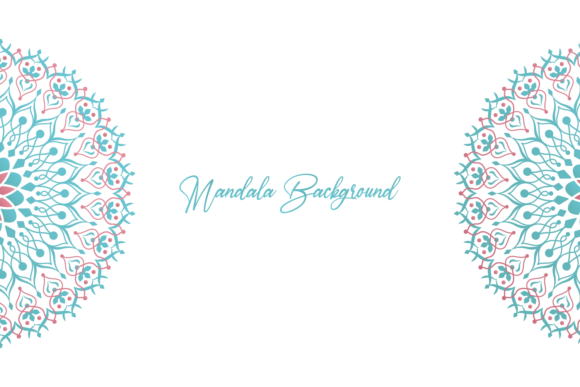
The Art of Mandala Background Design
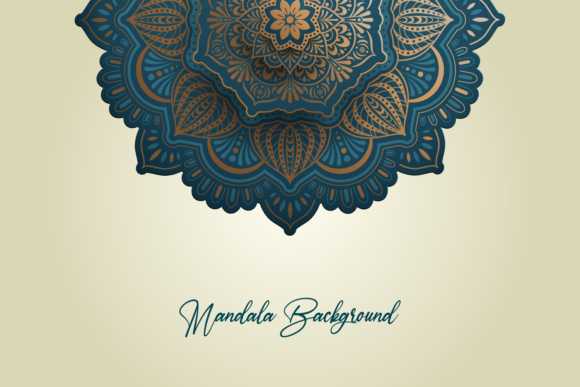
Mandala background design refers to the use of intricate, symmetrical, and often circular patterns as decorative backdrops in digital or print media. Rooted in ancient spiritual and artistic traditions, these designs have found a prominent place in modern visual communication. A mandala background can serve as a subtle texture, a bold focal point, or a meditative visual element that draws viewers into a composition. For many, it is more than just ornamentation; it is a tool for creating balance, depth, and meaning in a wide range of projects.
Different people encounter mandala backgrounds through different doors. A blogger might use one to establish a calming brand tone. An entrepreneur might embed one into product packaging to suggest luxury and craftsmanship. An educator might introduce them to teach symmetry, culture, or pattern recognition. Whether you are creating for professional clients or personal satisfaction, understanding how mandala background design serves your specific needs can save time, reduce frustration, and elevate your final output.
Why Mandala Backgrounds Appeal to Different Audiences
The appeal of mandala backgrounds crosses skill levels and professional domains. A beginner may be drawn to their complexity, assuming they are difficult to create or use effectively. In reality, many high-quality resources exist that make them accessible. An experienced designer, on the other hand, might appreciate the flexibility these patterns offer for branding, editing, or layering effects. The same pattern that serves a hobbyist making a personal greeting card might also form the backbone of a corporate identity system.
Mandala background design is not one-size-fits-all, and that is part of its strength. For someone seeking relaxation, the repetitive and symmetrical nature of these patterns can be meditative. For a marketer, they can signal attention to detail and cultural resonance. By identifying your primary goal—whether that is speed, creative expression, commercial value, or learning—you can choose how deeply to engage with this design approach.
Beginners: Starting Simple Without Sacrificing Impact
If you are new to using mandala backgrounds, you may wonder whether they will overwhelm your project or feel out of place. The key is to start with purpose. A beginner might choose a pre-made mandala background with low opacity, using it as a subtle texture behind text or images. This approach instantly adds visual interest without requiring advanced design skills. Many free and affordable resources offer ready-to-use patterns in common file formats like PNG, SVG, or JPEG, so you can drop them into your project with minimal editing.
For a personal project such as a wedding invitation, a favor label, or a social media post, a pre-designed mandala background can make the final product look polished and intentional. Beginners should prioritize ease of use and clear licensing. Look for patterns that are clearly labeled for personal or commercial use, and experiment with color overlays to match your theme. You do not need to master every aspect of pattern design to benefit from mandala backgrounds. You simply need to start using them in a way that supports your vision.
Designers and Experienced Creatives: Flexibility and Depth
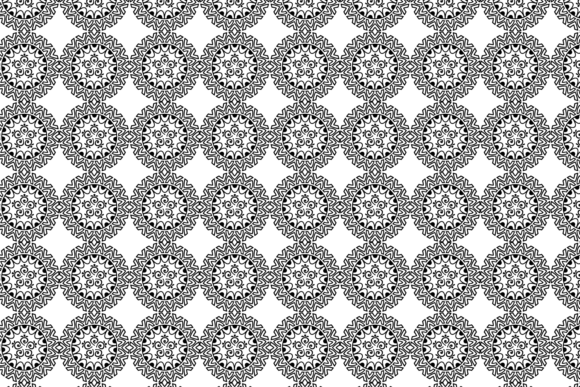
For graphic designers, illustrators, and other creative professionals, mandala background design offers a level of flexibility that simpler patterns cannot match. The symmetry allows for easy tiling and seamless repetition, making it practical for large format backgrounds like website headers, posters, or presentation decks. More experienced users often modify these patterns—adjusting colors, rotating elements, or combining multiple mandalas to create unique compositions.
The priority here is quality and precision. A low-resolution mandala background that looks crisp on a phone screen may appear pixelated on a billboard. Designers working with print should look for vector formats or high-resolution raster files that permit scaling without loss. Flexibility also extends to editing: using layers in software like Photoshop, Illustrator, or Procreate, you can isolate parts of the pattern, apply gradient maps, or distort the original shape to fit a specific layout. For professionals, the investment in a well-crafted mandala background pays off through its adaptability across multiple client projects.
Business Owners and Marketers: Commercial Value and Branding
Small business owners, entrepreneurs, and marketers often evaluate mandala background design through the lens of brand impact and commercial viability. A distinctive mandala pattern can serve as a brand watermark, a repeating pattern on packaging, or a symbolic element that reinforces a brand story. For example, a wellness brand might use a lotus-inspired mandala background on its website to evoke calm and spiritual connection. A premium goods company might incorporate a geometric mandala on product labels to suggest precision and quality.
Speed and reliability matter in a business context. You may not have time to design a custom mandala from scratch. Fortunately, stock asset platforms offer professionally graded patterns with commercial licenses. Before selecting a design, consider how it will appear at various sizes—on a mobile screen, a product tag, or a tradeshow banner. Also check the license terms to avoid legal issues. A well-chosen mandala background can set you apart from competitors without requiring a large design budget. For entrepreneurs, the main decision points are cost, licensing, and whether the pattern aligns with your brand identity rather than personal taste alone.
Educators and Hobbyists: Learning Value and Creative Enjoyment
Educators teaching art, design, or cultural studies may use mandala background design as a teaching tool. The patterns provide a hands-on way to discuss geometry, radial symmetry, cultural symbolism, and composition. Students can analyze existing mandala backgrounds or create their own, learning both technical skills and critical thinking. For a teacher or workshop facilitator, the learning value of a well-designed mandala background is high because it can be adapted to different age groups and skill levels.
Hobbyists, on the other hand, often approach mandala backgrounds from a personal, non-commercial angle. Coloring intricate mandala patterns is a well-known relaxation activity, but using them as backgrounds for digital scrapbooks, photo collages, or home decor adds a creative dimension. The priority for a hobbyist is typically enjoyment and personal expression rather than perfection or profitability. Access to free or affordable resources is key, as is the ability to customize without complex software. Whether you are teaching a class or unwinding on a weekend, mandala background design can enrich your experience if you choose patterns that resonate with you personally.
Evaluating Quality and Practical Use for Your Project
No matter your background, evaluating a mandala background design requires looking at several practical factors. The first is resolution and format. If you plan to use the background on a website or social media, a JPEG or PNG at 72 DPI may suffice. For printing, aim for 300 DPI or a vector file. The second factor is color palette. A monochrome pattern offers versatility, while a multicolored pattern may clash with other elements. Consider whether you want the mandala to dominate the composition or remain subtle.
Another consideration is cultural context. Mandalas originate from Hindu, Buddhist, and other spiritual traditions. If you are using them in a commercial or educational project, being aware of their meaning can guide respectful use. This adds depth to your work and prevents misrepresentation. For creators who want to honor the tradition, researching the symbolism behind specific patterns can enrich your design narrative.
Long-term usefulness also matters. A timeless geometric mandala will stay relevant longer than a design tied to a passing trend. If you expect to reuse a background across multiple projects or seasons, choose a pattern that does not rely on a specific holiday or theme. This approach saves money and reduces the effort of searching for new assets each time.
Speed vs. Customization: Which Path Fits You?
Your decision process may come down to how much control you need. A user who values speed and convenience will gravitate toward pre-made mandala backgrounds that require little to no editing. This is common among marketers, bloggers, and busy entrepreneurs. A user who values creativity and uniqueness will prefer customizable patterns, vector files, or even tools that let you build your own mandala from scratch. Professional designers and hobbyists who enjoy the creative process often lean into customization, even if it takes more time.
Neither approach is inherently better. The right choice depends on your deadline, your budget, and how much of your personal signature you want to stamp on the design. If you are crafting a one-off piece for a personal celebration, customization may bring you joy. If you are producing content weekly, speed will keep you consistent. Being honest about your priorities helps you avoid frustration and wasted effort.
Matching Mandala Background Design to Your Goals
To decide whether mandala background design is right for your current project, ask yourself a few questions. What is the primary function of the background? Is it to support other content, or is it a central design feature? Who is your audience, and how might they interpret the pattern? How much time and skill can you invest in adapting the design?
If you want a background that conveys tranquility, tradition, elegance, or complexity, a mandala pattern is a strong candidate. If you need a completely neutral or modern minimalist backdrop, a mandala may feel too ornate. The design works best when there is alignment between the pattern's visual energy and your message. For instance, a chaotic, densely detailed mandala may distract from a text-heavy page, while a simple, open mandala can frame it beautifully.
Beginners should not shy away from starting with low-risk applications like personal social media posts or informal print items. As your comfort grows, you can use mandala backgrounds in more prominent roles such as product packaging or book covers. Professionals can treat them as modular components in a larger design system, combining them with other elements for layered results. Business owners can test different patterns through A/B testing on landing pages to see which resonates more with customers.
Ultimately, mandala background design is a tool that scales to your needs and goals. Whether you are exploring it for the first time or integrating it into a professional workflow, its value lies in the balance between aesthetic appeal and practical function. By understanding what you want it to do, you can choose a mandala background that feels intentional rather than decorative, and that supports the message you are trying to share.