The Art and Appeal of Luxury Mandala Vector Design: A Complete Guide
In the world of visual design, few motifs carry the same sense of harmony, sophistication, and cultural depth as the mandala. When this ancient art form meets modern vector technology—and is elevated through premium materials, intricate detailing, and refined aesthetics—it gives rise to what designers and brands now call luxury mandala vector design. This fusion of tradition and technology has become a go-to visual language for businesses, creatives, and individuals seeking elegance, balance, and a touch of the sacred in their projects.
Whether you are a graphic designer looking to expand your toolkit, a brand owner aiming to convey exclusivity, or simply someone captivated by the beauty of geometric patterns, understanding luxury mandala vector design opens up a world of creative and commercial possibilities. This guide will walk you through everything you need to know: from its cultural roots and defining characteristics to its practical applications in modern branding, product design, and digital media.
What Is a Mandala? A Brief Introduction
Before we explore the luxury angle, it helps to understand the mandala itself. The word mandala comes from classical Sanskrit, meaning "circle." But a mandala is far more than a simple round shape. Traditionally, it is a geometric configuration of symbols, patterns, and concentric rings that represent the universe, wholeness, and the interconnectedness of life. Mandalas have been used for centuries in Hindu and Buddhist traditions as tools for meditation, spiritual guidance, and ritual art.
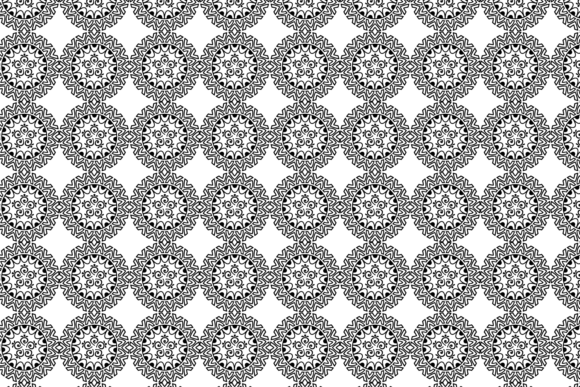
In contemporary design, the mandala has been reimagined as a versatile decorative element. Its radial symmetry, repeating motifs, and intricate detailing make it naturally appealing to the human eye. When rendered as a vector—using mathematical paths rather than pixels—a mandala becomes infinitely scalable without losing resolution. This technical advantage is what makes mandala vector design so powerful for modern applications.
What Defines a "Luxury" Mandala Vector Design?
Not every mandala vector qualifies as luxury. The term "luxury" in this context refers to a specific tier of aesthetic quality, complexity, and finish. A luxury mandala vector design typically exhibits several key traits:
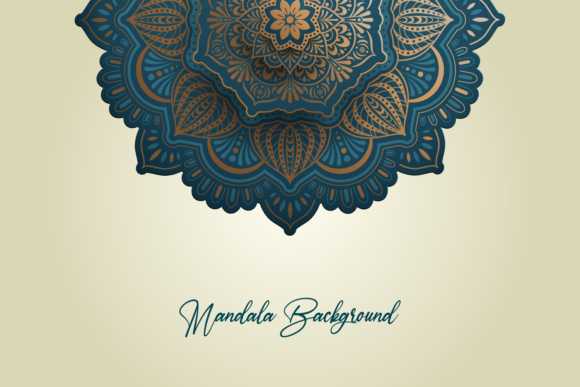
- Exceptional intricacy: Luxury designs feature a high density of fine lines, delicate curves, and elaborate repeating elements. The level of detail suggests hours of meticulous craftsmanship.
- Premium color palettes: Instead of bright or primary colors, luxury mandalas often use muted golds, deep jewel tones, soft metallics, monochromatic schemes, or elegant gradients that evoke opulence and refinement.
- Symmetrical perfection: Precision is paramount. Luxury vectors are mathematically flawless in their radial balance, creating a sense of order and harmony that feels almost meditative.
- High-end ornamentation: Expect to see motifs like lotus petals, filigree, arabesques, peacock feathers, Celtic knots, damask patterns, and other culturally rich symbols associated with royalty and spirituality.
- Versatile scalability: Because they are vectors, luxury mandalas can be printed on a business card or blown up to the size of a building facade without any loss of sharpness or detail.
The Vector Advantage: Why Digital Format Matters
To truly appreciate luxury mandala vector design, you need to understand why the vector format is so important. Vector graphics are built using mathematical equations that define points, lines, and curves. Unlike raster images (like JPEGs or PNGs), vectors are resolution-independent. This means a vector mandala can be resized infinitely—from a tiny logo to a massive wall mural—while remaining crisp, clean, and professional.
For luxury brands, this is a game-changer. Consistency in visual quality across all touchpoints—print, web, packaging, environmental design—is a hallmark of premium branding. A vector mandala ensures that the intricate details of the design remain intact regardless of the medium or scale. This technical reliability is one of the reasons why luxury mandala vector design has become a staple in high-end branding and product design.
Key Characteristics of Luxury Mandala Vector Designs
If you are evaluating or creating a luxury mandala vector, here are the specific characteristics to look for:
- Radial symmetry with multiple layers: A true luxury mandala has several concentric rings or layers, each with its own unique pattern, yet all working together harmoniously.
- Fine line work and delicate detailing: The lines are thin, precise, and elegant. Thick, chunky lines tend to look more casual or boho, while fine lines convey sophistication.
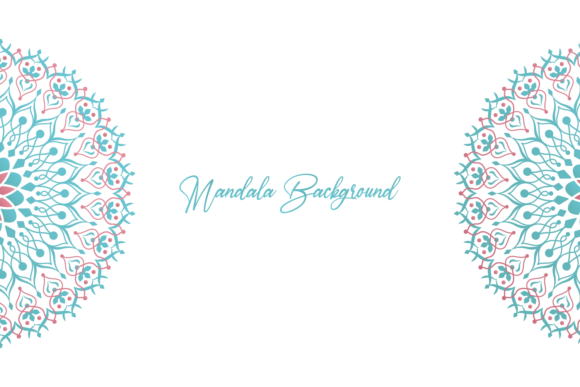
- Use of negative space: Luxury designs balance intricate positive shapes with open, airy negative space. This creates visual breathing room and prevents the design from feeling cluttered.
- Metallic and gradient accents: Gold, rose gold, silver, copper, and champagne tones are common. Subtle gradients add depth and a three-dimensional quality.
- Cultural and symbolic richness: Many luxury mandalas incorporate meaningful symbols—lotus flowers for purity, endless knots for eternity, or stars for guidance—adding layers of meaning to the aesthetic.
Applications in Modern Business, Branding, and Creativity
Luxury mandala vector design is far from a niche art form. It has found a home across a wide range of industries and creative disciplines. Here are some of the most prominent applications:
Branding and Identity
Luxury hotels, spas, wellness retreats, premium cosmetic lines, and high-end jewelry brands frequently use mandala vectors in their logos, stationery, and packaging. The mandala's inherent symmetry and elegance communicates trust, balance, and exclusivity. A well-designed mandala logo can instantly elevate a brand's perceived value.
Product Design and Packaging
From perfume boxes to tea tins, from wine labels to candle jars, luxury mandala vectors adorn premium products. The intricate patterns catch the light and draw the eye, making the product feel special and gift-worthy. Many consumers associate mandala motifs with natural, organic, or artisanal qualities, which aligns well with modern luxury values.
Home Décor and Interior Design
Large-format wall art, area rugs, throw pillows, and even furniture inlays feature mandala vector designs. Because the designs are vector-based, they can be printed onto wallpaper, etched into glass, or carved into wood with perfect precision. Interior designers often use mandalas to create a focal point that feels both calming and opulent.
Digital Media and Web Design
Luxury mandala vectors are also used in website backgrounds, social media templates, digital invitations, and app interfaces. With the rise of SVG (scalable vector graphics) support on the web, these detailed designs render beautifully on any screen size, from smartphones to desktop monitors.
Fashion and Textiles
High-end fashion brands incorporate mandala patterns into fabric prints for scarves, dresses, and accessories. The vector format allows seamless tiling, so the pattern can repeat perfectly across yards of fabric without any visible seams.
Tattoo and Body Art
Mandala tattoos are among the most popular tattoo styles worldwide. Tattoo artists often use or reference vector mandalas as stencils because the clean, precise lines translate well into ink. The "luxury" designation applies here too—clients seeking high-end tattoo work expect flawless symmetry and intricate detail.
How Luxury Mandala Vectors Are Created: A Glimpse into the Process
Creating a luxury mandala vector design is a specialized skill that combines artistic vision with technical precision. Designers typically start with a central point and work outward, using a combination of manual drawing and digital tools. Software like Adobe Illustrator, CorelDRAW, Affinity Designer, and Inkscape are the industry standards for vector work.
The process often involves:
- Sketching the layout: The designer first sketches the basic structure—number of layers, overall shape, and key motifs.
- Building symmetry: Using transformation tools, the designer replicates elements around a central axis, ensuring perfect radial symmetry.
- Adding detail: This is the most time-consuming step. Each layer is populated with intricate shapes, curves, and ornaments. For luxury designs, this step can take hours or even days.
- Applying color and finish: Once the line art is complete, the designer adds color, gradients, and metallic effects to achieve the luxurious look.
- Testing scalability: The final vector is tested at various sizes to confirm that all details remain crisp and balanced.
Common Misconceptions About Luxury Mandala Vector Design
As with any specialized design field, several misunderstandings surround luxury mandala vectors. Let's clarify a few:
- "All mandalas are spiritual or religious." While mandalas have spiritual roots, modern luxury mandala vectors are primarily decorative. They are used for their aesthetic and psychological appeal—balance, order, beauty—not necessarily for religious purposes.
- "Luxury mandalas are just busy patterns." True luxury mandalas are carefully composed. Every line and shape has intention. The complexity is balanced with negative space to create a harmonious whole, not visual noise.
- "Vector mandalas are easy to create." On the contrary, creating a high-quality luxury mandala vector requires advanced technical skills and a deep understanding of composition, geometry, and aesthetics. It is a specialized craft.
- "Luxury means expensive for the customer." While premium designs often command higher prices, the vector format actually makes them more accessible. A single vector file can be used across unlimited applications, giving buyers excellent long-term value.
How to Choose or Commission a Luxury Mandala Vector
Whether you are purchasing a pre-made design or commissioning a custom piece, here are practical tips:
- Assess the detail level: Zoom in to see the quality of the line work. Fine, consistent lines indicate a professional design.
- Check the file format: Ensure the file is in a true vector format (AI, EPS, SVG, or CDR) and not a raster image saved as a vector file.
- Look for color versatility: A good luxury mandala works in both full color and monochrome. Ask to see a version without color to judge the line art.
- Consider your use case: A mandala for a small logo needs different detailing than one for a large wall mural. Choose accordingly.
- Review the artist's portfolio: Look for consistency, symmetry, and a refined aesthetic in their previous work.
Why Luxury Mandala Vector Design Matters Today
In an age of fast, disposable visuals, luxury mandala vector design stands for something different: patience, craftsmanship, and timeless beauty. It appeals to a growing audience that values quality over quantity, meaning over noise, and elegance over trendiness. For businesses, it offers a way to communicate sophistication and trustworthiness without saying a word. For designers, it provides a canvas for creative expression that honors ancient traditions while embracing modern tools.
Whether you are branding a five-star resort, designing a premium product line, or simply looking to add a touch of grace to your personal project, luxury mandala vector design offers a visual language that is both universal and exclusive. It bridges the old and the new, the spiritual and the commercial, the simple and the complex—and it does so with breathtaking beauty.
Final Thoughts
Luxury mandala vector design is more than a trend; it is a lasting aesthetic movement rooted in human history and enabled by modern technology. By understanding its principles, appreciating its craftsmanship, and recognizing its practical value, you can make informed choices—whether you are creating, buying, or simply admiring these remarkable works of art. As the demand for meaningful, high-quality visual content continues to grow, the luxury mandala vector will undoubtedly remain a cherished asset in the designer's toolbox for years to come.