Evaluating the P Negative Space Logo for Your Brand Identity
When you begin researching logo design options, you will quickly encounter the concept of negative space. Among the many variations, the P Negative Space Logo stands out as a specific and deliberate approach. It uses the empty area around or within the letterform to create a secondary image, often a symbol that relates to the brand. This technique is not merely decorative; it is a strategic choice that carries both opportunities and limitations. Understanding what this logo style entails, and when it serves your goals, requires a balanced look at its mechanics, its fit for different contexts, and the tradeoffs you accept when you choose it.
What Is a P Negative Space Logo?
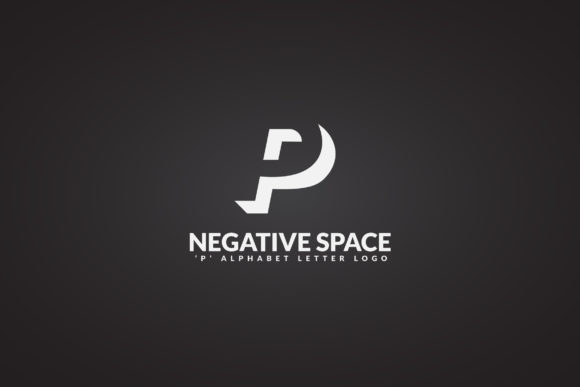
A P Negative Space Logo is a mark where the letter "P" is formed partly or entirely by the empty space around another shape, or where the letter itself contains a hidden image in its enclosed loops. In typography, the letter "P" has a natural enclosed area called the counter, the loop that holds the bowl. Designers use this space to embed a second visual element. Alternatively, the stem and bowl of the "P" can be implied by gaps in a larger form, making the letter itself the negative space. The result is a single, simplified graphic that reads as both a letter and a symbol simultaneously.
For example, a P might be carved out of a solid square, revealing the letter where the square is absent. Or, the bowl of the P might contain a crescent that suggests a moon, a gear, or a leaf. The core idea is that the logo works on two levels: it functions as a recognizable letter while also communicating a concept through the hidden or implied image. This dual reading is what attracts many decision-makers to the approach.
Why Consider a P Negative Space Logo?
The primary reason someone evaluates a P Negative Space Logo is the pursuit of memorability. Logos that require a moment of discovery — where the viewer sees the letter first and then notices the secondary image — tend to stick in the mind longer. This delayed reveal creates a small cognitive reward, which can strengthen brand recall. If your brand name begins with P, and you want the logo to do more than just spell out a letter, this technique offers a way to embed meaning without adding extra elements.
Another common motivation is minimalism. In a crowded visual environment, simpler marks often perform better across different media. A negative space logo eliminates the need for separate icon and text treatments. By combining the letter and the symbol into one shape, you reduce visual clutter. This can be particularly appealing if you plan to use the logo in small sizes, on digital platforms, or in monochrome applications where complexity becomes a liability.
Some decision-makers also value the cleverness factor. A well-executed negative space logo signals that the brand pays attention to detail. It suggests thoughtfulness and creativity, which can be an asset for companies in design, technology, education, or consulting, where intellectual rigor is part of the brand promise.
Benefits and Strengths of the Approach
When it succeeds, a P Negative Space Logo delivers several practical advantages. First, it compresses two pieces of information into one visual unit. The viewer reads the letter and the icon together, which reduces the time needed to associate the mark with the brand. This is especially useful in contexts where attention spans are short, such as social media avatars, favicons, or mobile app icons.
Second, the format tends to work well in grayscale or single-color applications. Because the negative space is defined by the absence of ink or color, the logo remains legible when printed in black and white, embroidered on fabric, or etched into materials. This durability across reproduction methods is a practical consideration that often tips the scale toward this style for businesses that require physical signage, promotional merchandise, or low-cost printing.
Third, a well-crafted negative space logo can feel timeless. Trends in logo design shift, but the basic principle of using empty space to create form has been effective for decades. If your brand goals include longevity, this approach can avoid the dated look that overly complex or trendy logos sometimes acquire.
Tradeoffs and Potential Limitations
Despite its appeal, the P Negative Space Logo comes with tradeoffs that you should weigh carefully. The most significant risk is legibility. When the negative space is too subtle, the letter P may not be immediately recognizable. This defeats the purpose of a logo, which should communicate the brand name efficiently. If viewers see a strange shape and then struggle to identify the letter, the logo has failed its primary function.
Scalability is another concern. In very small sizes, the precise gaps that define the negative space can fill in or become indistinct. A shape that looks clever on a billboard may look confusing on a business card. Testing the logo at extreme sizes — both very large and very small — is essential before finalizing the design. If the hidden image is lost at small scales, you may need to simplify the concept or accept that the logo will rely on the letter alone in certain contexts.
There is also the risk of forcing the concept. Not every brand benefits from a hidden image. If the secondary shape does not clearly relate to your industry, values, or name, the logo may feel gimmicky rather than meaningful. Viewers might appreciate the cleverness without connecting it to your brand. The negative space element should reinforce your message, not distract from it.
Additionally, this style can be difficult to describe or recall verbally. A logo that relies on a visual trick may not translate well into spoken conversation. If someone says, "It's a P with a leaf in the loop," the listener might not form a clear mental image. This can be a disadvantage when word-of-mouth referrals are important.
When a P Negative Space Logo Is a Strong Fit
Certain situations make the P Negative Space Logo a particularly strong choice. If your brand name is a single word that begins with P, and that word itself has a visual association — such as "Pine," "Pulse," "Peak," or "Pixel" — then embedding that association into the letterform feels natural and intuitive. The viewer sees the letter, discovers the hidden image, and links it directly to the name.
Technology companies, creative agencies, and educational institutions often benefit from this style because it communicates innovation, clarity, and depth. A negative space logo can signal that your brand is forward-thinking without relying on overtly futuristic fonts or complex illustrations. It suggests that you value efficiency — making the most of limited visual resources.
Startups and small businesses with limited marketing budgets also find value here. A single mark that works across all touchpoints — website, social media, print, packaging — reduces the need for multiple logo variations. The initial design investment may be higher due to the precision required, but the ongoing reproduction costs are lower because the logo performs well in simple formats.
If your industry values subtlety and sophistication, such as high-end consulting, architecture, or fine arts, a negative space logo can reinforce that tone. It does not shout its message; it rewards careful looking. This can align well with brands that want to project understated authority rather than mass-market appeal.
When Alternatives Might Serve You Better
There are clear situations where an alternative logo style is worth considering. If your brand name is long, includes multiple words, or does not start with P, forcing the letter into a negative space design can feel contrived. The letter P has a natural enclosed space in its bowl, which makes it more amenable to this treatment than letters like L, T, or Y, which lack such loops. But even with P, if the brand name is cumbersome, a standalone icon or a wordmark might be more practical.
For businesses in highly traditional industries — such as law, accounting, or banking — a negative space logo may read as too playful or trendy. These fields often favor straightforward typography or established symbols that convey stability and trust. A clever visual trick might undermine the seriousness of the brand.
If your primary audience is older adults or people with visual impairments, legibility should be your highest priority. Negative space logos, by nature, reduce the contrast between the letter and the background. At small sizes or on low-resolution screens, the letter may blur. In such cases, a solid typographic logo with high contrast is a safer choice.
Another consideration is brand extension. If you anticipate expanding into sub-brands or product lines that do not begin with P, your logo may feel limiting. A standalone icon that does not rely on a specific letter offers more flexibility for future growth. You would not need to redesign the entire identity if you add a service that starts with a different letter.
Practical Considerations for Your Decision
Before committing to a P Negative Space Logo, take steps to evaluate its fit for your specific needs. Begin by testing the logo in multiple sizes and contexts. Print it at business card scale, view it on a mobile screen, and simulate a storefront sign. If the letter and the hidden image remain clear at all sizes, the design is likely robust. If the effect is lost at small scales, ask whether the hidden image is essential or if the logo can stand on the letter alone.
Seek feedback from people who are not designers. Show the logo to a few individuals who represent your target audience and ask them what they see first. If they identify the letter immediately, that is a good sign. If they notice the hidden image before the letter, or if they struggle to see the letter at all, the prioritization may be off. A logo should communicate the brand name efficiently; the secondary image is a bonus, not the main event.
Consider how the logo will appear in motion. Animated versions of negative space logos can be stunning, but if your brand relies heavily on static formats, the clever effect may not be as impactful. Also, think about how the logo will be described in press releases, social media bios, or verbal pitches. If you cannot easily articulate what the logo shows, it may be too complex for casual communication.
Finally, weigh the cost of design refinement. A successful negative space logo often requires many iterations to get the proportions exactly right. The tolerances are small: a shift of a few pixels can turn a clear letter into a muddled shape. If your budget or timeline is tight, a simpler wordmark or a conventional icon might deliver a better return on your investment.
Aligning the Logo with Your Brand Goals
Ultimately, the decision to adopt a P Negative Space Logo comes down to whether the technique supports your brand's core message. If your brand values clarity, efficiency, and subtle intelligence, and your name naturally fits the letter P, this style offers a way to express those values through design. It is not a shortcut to memorability, but a tool that requires careful execution to work well.
On the other hand, if your primary need is instant recognition across a wide demographic, or if your brand operates in a context where legibility is non-negotiable, a more direct logo approach may be wiser. The negative space technique is one of many options in the designer's toolkit. It is neither superior nor inferior to other styles; it is simply better suited to certain contexts.
By testing the logo in real-world conditions, gathering honest feedback, and evaluating its performance across the media you use most, you can determine whether the P Negative Space Logo aligns with your goals. When it works, it works well — but it demands precision, purposeful meaning, and a clear understanding of what you want the audience to see first.