3D Layered Geometric Patterns: Depth in Design
When you look at a flat design, you see information. When you look at a 3D layered geometric pattern, you feel space, movement, and intention. This design approach stacks shapes at varying depths to create the illusion of three-dimensional form on a two-dimensional surface. It is not a trend reserved for artists or architects. It is a practical tool that professionals across fields use to communicate clearly, engage audiences, and make information memorable. Understanding how to work with these patterns can change the way you present ideas, whether you are building a brand, teaching a concept, or designing a product interface.
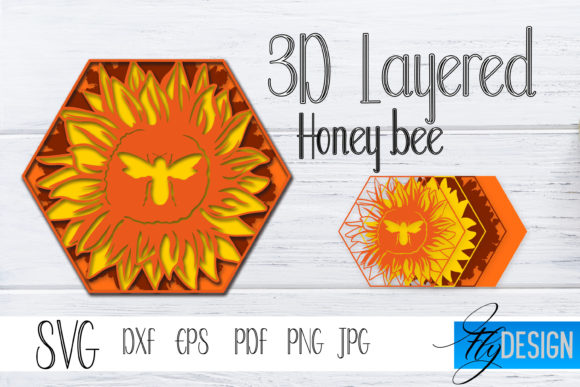
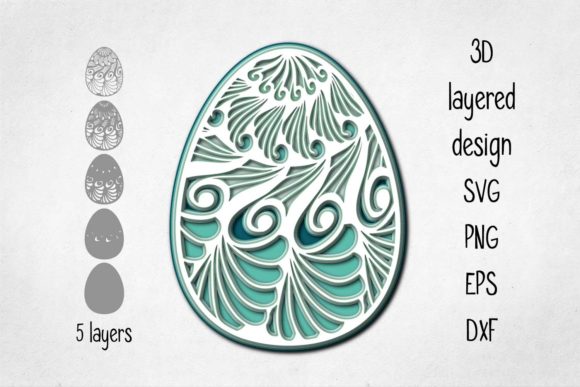
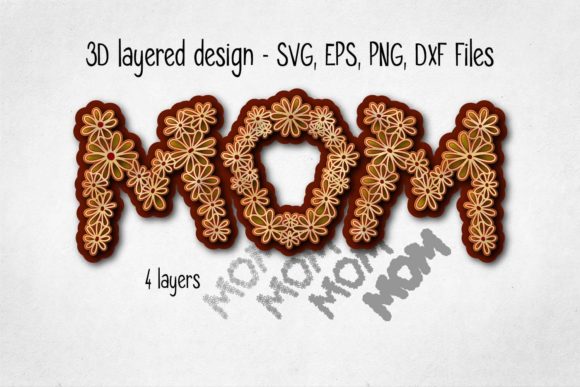
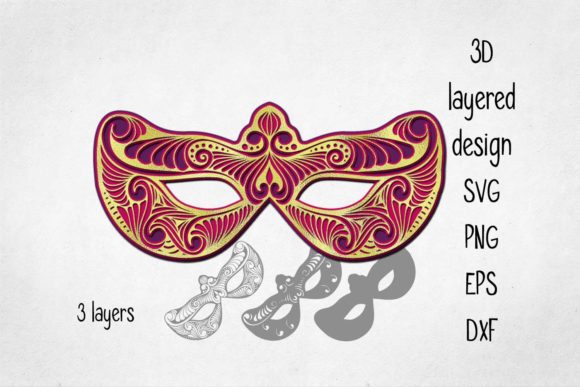
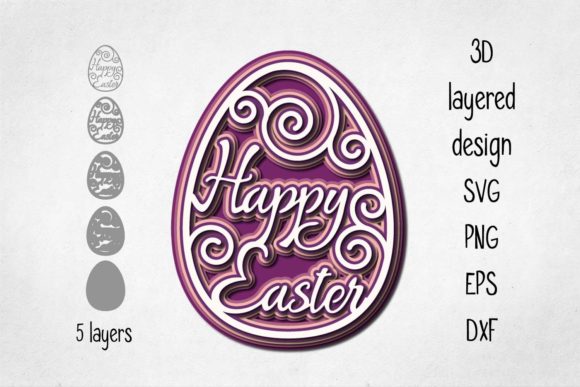
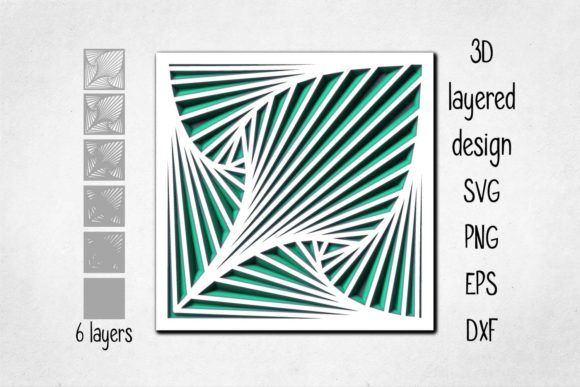
At its simplest, a 3D layered geometric pattern is a composition of shapes arranged in layers that suggest depth. Circles, triangles, hexagons, and irregular polygons are placed at different distances from the viewer, often with shadows, gradients, or overlapping edges that reinforce the illusion. The result is a visual structure that feels dimensional without requiring complex rendering software. You can create these patterns with basic design tools, code, or even physical cutouts. The key is the relationship between layers—how they interact, contrast, and guide the eye through the composition.
Why Depth Matters More Than Decoration
People process visual information faster than text. A 3D layered geometric pattern takes that advantage further by adding spatial cues that help the brain organize what it sees. When shapes appear to sit at different depths, the mind naturally assigns hierarchy. The top layer reads as most important. The middle layer provides context. The background sets the mood. This implicit ranking helps viewers understand what to focus on without needing labels or instructions. For a marketer presenting a product roadmap, a data analyst explaining a trend, or an educator illustrating a process, this built-in hierarchy makes the message stick.
Consider a dashboard used by a small business owner to track sales. A flat chart shows numbers. A layered pattern behind key metrics, with the most critical figure pushed forward and supporting data receding, instantly communicates priority. The owner sees what needs attention without reading through rows of data. The pattern does the work of structuring attention. That is not decoration. That is functional design.
Strengthening Brand Identity Through Structured Depth
Brands compete for recognition in crowded spaces. A 3D layered geometric pattern can become a signature visual element that sets a brand apart. Unlike a flat logo or a generic background, a layered pattern offers richness that feels crafted. It signals that the brand cares about detail and thinks in dimensions. For a freelance designer building a portfolio website, layering geometric shapes behind project thumbnails creates a cohesive visual language that feels both modern and personal. For a small business launching a product line, using a consistent layered pattern across packaging, social media, and website builds recognition faster than a logo alone.
That said, not every brand needs deep layering. If your industry values simplicity and directness—like legal services or medical information—a heavily layered pattern might confuse more than it clarifies. Fit matters. The pattern should match the tone you want to project. A tech startup might use sharp, angular layers to convey innovation. A wellness brand might use soft, rounded layers with gentle gradients to suggest calm. The same technique serves different messages depending on execution.
Practical Outcomes for Creators and Professionals
A 3D layered geometric pattern can save time by reducing the need for complex illustrations or photography. Instead of sourcing or creating detailed images, you can build depth using simple shapes and layers. This is especially useful for bloggers, publishers, and content creators who produce frequent visuals. A single template with adjustable layers can generate endless variations for article headers, social posts, and video thumbnails. The pattern becomes a system, not a one-off design.
For educators, layered patterns help explain abstract concepts. Visualizing layers in a diagram that shows parts of a system—such as layers of an atmosphere, levels of an organization, or stages of a process—maps directly onto how people learn: from whole to part, from background to foreground. A 3D layered geometric pattern in a presentation slide can turn a confusing flowchart into a clear, memorable structure.
Improving Communication in Presentations and Reports
Professionals who present to stakeholders, clients, or teams know that attention fades after the first few slides. A 3D layered geometric pattern used sparingly as a background or accent can re-engage viewers by adding visual interest without distracting from content. The key is restraint. One well-placed layered pattern on the title slide and another on a transition slide can frame the narrative. Use too many, and the audience focuses on the pattern instead of the message. Use them with intention, and the pattern reinforces the structure of your argument.
A marketing consultant presenting quarterly results might use a layered pattern behind a key statistic, with the number floating above the topmost layer. The depth draws the eye to the number, and the layers beneath suggest the complexity of the data that supports it. The audience sees the result first, then the context—exactly the order the consultant wants them to follow.
Who Benefits Most and Why
While almost any professional can use a 3D layered geometric pattern effectively, certain roles gain more from mastering it. Graphic and web designers naturally use it to build interfaces that feel tactile and responsive. Marketers and brand managers use it to create visual systems that scale across media. Freelancers and solopreneurs benefit because they often need to produce high-impact visuals without a large budget or team. A layered geometric pattern gives them a professional look with minimal resources.
Hobbyists and creators who make content for platforms like YouTube, Instagram, or Pinterest also benefit. A consistent layered pattern across thumbnails and posts creates a recognizable style that viewers associate with quality. Over time, that style becomes part of the creator's identity. For a blogger writing about interior design, a 3D layered geometric pattern in the website header sets an artistic tone that complements the content without overwhelming it.
Limitations and Fit Considerations
No design technique works everywhere. A 3D layered geometric pattern can look busy if the layers are too numerous or the colors clash. On small screens, fine layering details may become invisible or muddy. In print, the cost of high-quality reproduction may not justify the effect. Accessibility also matters. Patterns that rely solely on depth cues may be difficult for people with certain visual impairments to parse. Always pair layered patterns with clear text contrast and alternative ways to convey hierarchy.
If your project requires ultra-minimalism, such as a government form or emergency instruction, skip the layers. If your audience is older adults who may find depth illusions distracting, test the pattern with a sample group before committing. The right choice depends on context, not just aesthetics.
Recommendations for Getting Started
If you are new to 3D layered geometric patterns, start with three layers. Use a foreground, a middle, and a background. Keep shapes simple. Experiment with shadow length and opacity to suggest distance. A short, dark shadow makes an object feel close. A long, light shadow pushes it back. Tools like Figma, Adobe Illustrator, or even CSS in web development can produce these patterns quickly. Practice with monochrome palettes first to understand depth before adding color.
For bloggers and small business owners, consider a pattern that reflects your industry. A tech blog might use hexagons and sharp angles. A food blog might use circles and soft overlaps. A law firm might use clean rectangles with subtle elevation. The pattern should feel like a natural extension of your content, not an arbitrary decoration.
Observing the Bigger Picture
What makes a 3D layered geometric pattern valuable is not its visual novelty but its ability to shape how people perceive and remember information. When used thoughtfully, it adds a layer of meaning that plain flat design cannot convey. It invites the viewer to look closer, to explore the depth, and to find order in complexity. For creators, professionals, and entrepreneurs who need to stand out without sacrificing clarity, it offers a path that is both practical and expressive. The best patterns are the ones you barely notice as patterns—you only feel the structure they provide.