The Art and Appeal of 3D Layered Easter Decoration
Easter decorating has evolved far beyond pastel-colored eggs and plastic grass. Among the most visually striking trends to emerge in recent years is the 3D Layered Easter Decoration—a design technique that brings depth, texture, and a sculptural quality to seasonal displays. Whether you are a crafter, a home decorator, or someone looking to add a fresh twist to your holiday setup, understanding how these dimensional pieces work and what makes them so compelling can transform your approach to Easter aesthetics entirely.
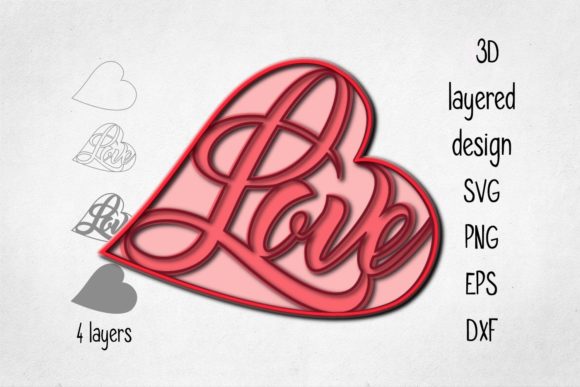
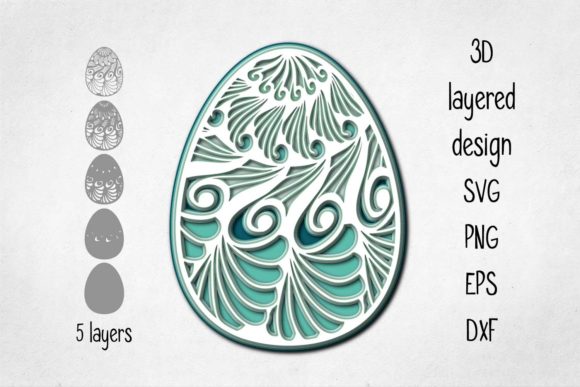
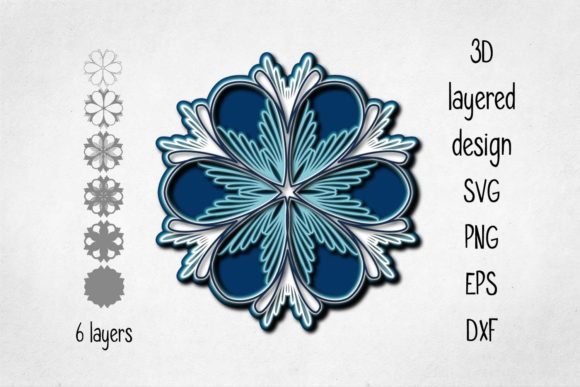
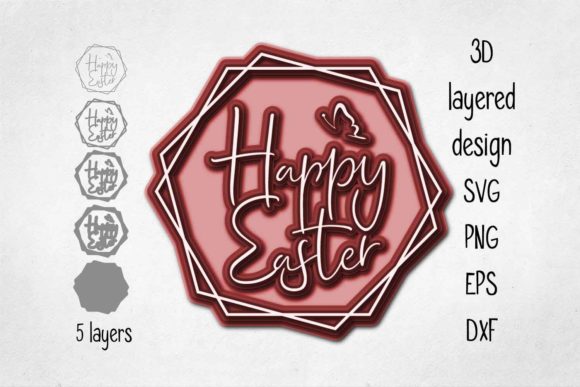
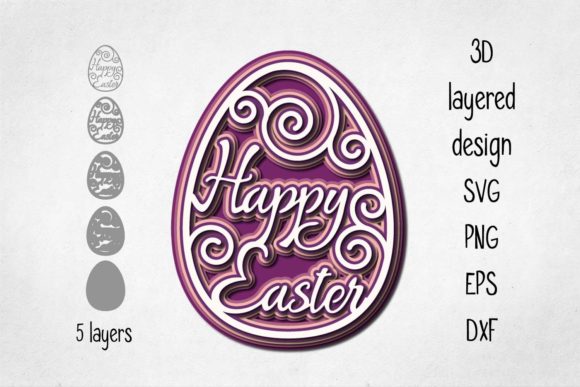
At its simplest, a 3D Layered Easter Decoration involves stacking multiple cutouts—often of paper, wood, or acrylic—one in front of another, with spacers or foam dots between each layer. This creates a shadow-box effect where each element sits at a different depth, giving the entire piece a sense of movement and realism that flat designs simply cannot achieve. The result is a decoration that captures light and casts subtle shadows, drawing the eye inward and creating a miniature diorama of Easter imagery.
Why Depth Matters in Seasonal Decor
Traditional Easter decorations tend to rely on surface-level appeal. Bunnies, eggs, and spring flowers are printed or painted onto flat surfaces, offering little to engage the viewer beyond color recognition. A 3D Layered Easter Decoration changes that dynamic entirely. By introducing physical depth, you invite the observer to look closer, to appreciate the separation between the foreground bunny and the background spring meadow, and to notice how each layer contributes to the overall composition.
This dimensional quality also makes the decoration far more versatile in terms of placement. A layered piece can sit on a mantel, hang in a window, or stand on a side table without looking like a simple cutout. It commands attention because it occupies space in a way that flat decor does not. The way light interacts with the layers—hitting the raised elements first and then falling softly onto the background—adds a dynamic quality that changes throughout the day as the sun moves and indoor lighting shifts.
Materials That Bring Layers to Life
The choice of material for your 3D Layered Easter Decoration significantly influences both the aesthetic and the longevity of the piece. Cardstock and premium paper remain the most accessible options for DIY enthusiasts, offering a wide range of colors, patterns, and weights. A heavier cardstock, around 100 to 120 pounds, holds its shape well without sagging, making it ideal for the middle and foreground layers where structural integrity matters most.
For those seeking something more durable, birch plywood and acrylic sheets have become increasingly popular. Laser-cut wood layers bring a natural warmth and organic feel to Easter motifs, especially when left unfinished or lightly stained. Acrylic, on the other hand, offers a sleek, modern finish that pairs beautifully with LED backlighting—a feature that has gained traction in recent years for Easter displays. When each acrylic layer is slightly translucent, the 3D Layered Easter Decoration can be lit from behind, creating a glowing effect that feels almost magical during evening gatherings or early morning Easter egg hunts.
Foam spacers, adhesive foam dots, or even small wooden blocks serve as the invisible connectors between layers. The thickness of these spacers determines the sense of depth. Using spacers of varying heights within the same piece—for example, a 3mm gap behind the middle layer and a 6mm gap behind the foreground—adds a more natural progression of depth, mimicking how objects appear in real life.
Design Considerations for Maximum Impact
Creating a successful 3D Layered Easter Decoration requires thoughtful planning around composition, color, and scale. The background layer should establish the setting—perhaps a soft blue sky with clouds, a rolling green hill, or a subtle pastel gradient. The middle layers introduce the main subjects: Easter eggs, spring flowers, butterflies, or a gentle lamb. The foreground typically features the hero element, such as a bunny face or a large decorated egg, placed closest to the viewer.
Color harmony is critical. Because Easter traditionally leans on soft pastels—pink, lavender, mint green, butter yellow, and baby blue—many layered decorations stay within this palette. However, there is growing room for contrast. A 3D Layered Easter Decoration that uses a deep navy background with bright white and gold layers creates a striking, sophisticated look that stands apart from conventional pastel-heavy designs. This approach works especially well for adults who want Easter decor that fits a more modern or minimalist home interior.
Scale matters more than many first-time creators realize. A decoration that is too small may lose its layered effect, while one that is too large may overwhelm a shelf or table. For tabletop displays, a finished size of 8 by 10 inches or 10 by 12 inches works well. For wall-mounted pieces, going as large as 16 by 20 inches allows the depth to become truly immersive, especially when viewed from across the room.
Where 3D Layered Easter Decorations Fit Into Modern Lifestyles
The rise of 3D Layered Easter Decoration coincides with a broader shift toward intentional, meaningful home decor. Consumers are moving away from mass-produced, single-use plastic decorations and toward items that feel handmade, personal, and sustainably produced. Layered decorations fit this trend perfectly. They can be crafted from recycled cardstock, responsibly sourced wood, or reusable acrylic, and they store flat when not in use, making them practical for those with limited seasonal storage space.
For families, creating a 3D Layered Easter Decoration together has become a cherished pre-holiday activity. Parents and children can collaborate on selecting designs, cutting or assembling layers, and choosing colors. The process naturally teaches spatial reasoning and design principles while producing a tangible result that the family can display with pride. Unlike many store-bought decorations that get tossed after the holiday, a handmade layered piece often becomes a yearly tradition, brought out each spring and stored carefully between seasons.
For small business owners and Etsy sellers, layered Easter decorations represent a profitable niche. The materials are relatively inexpensive, the production process can be streamlined with die-cutting machines or laser cutters, and the perceived value is high because of the visual complexity. A well-crafted 3D Layered Easter Decoration can sell for significantly more than a flat print or a simple plastic figurine, and customers are willing to pay for the artistry and dimensionality involved.
Practical Benefits Worth Considering
Beyond aesthetics, the 3D Layered Easter Decoration offers several practical advantages that make it a wise choice for both casual decorators and serious crafters. First, these decorations are lightweight regardless of size, especially when made from paper or thin wood. This makes them easy to hang with simple adhesive strips or command hooks, without worrying about damaging walls or requiring heavy-duty hardware.
Second, the layered construction naturally provides a degree of sturdiness. Because the layers are connected at multiple points with spacers, the overall structure is more rigid than a single flat piece of paper or thin wood. A 3D Layered Easter Decoration can withstand light bumps and minor handling without bending or tearing, which is especially useful in homes with children or pets.
Third, the shadow-box effect creates a self-contained display that does not rely on surrounding decor for impact. You can place a single layered piece on an otherwise bare mantel, and it will hold its own as a focal point. This is in stark contrast to many Easter decorations that require clustering multiple items together to achieve visual interest. For those who prefer a minimalist approach or have limited surface space, this is a significant advantage.
Common Factors to Consider Before Choosing or Creating
Before committing to a 3D Layered Easter Decoration, whether as a purchase or a DIY project, there are several factors worth weighing. One is the level of detail in the design. Intricate layers with many small cutouts—such as delicate flower petals or thin bunny ears—require precision cutting. If you are working by hand with a craft knife, be prepared for a careful, time-intensive process. A cutting machine like a Cricut or Silhouette can automate much of this work, but the initial design setup still demands attention to layer alignment and spacing.
Another consideration is the display environment. 3D Layered Easter Decoration pieces look best when viewed straight on, as the depth effect is most pronounced from the front. If the decoration will sit on a shelf that is viewed from an angle, the layers may overlap in a way that obscures the background elements. For angled viewing, consider designs where the foreground elements are not too wide, allowing the background to remain visible even from the side.
Lighting also plays a role. Direct overhead light can cast harsh shadows that obscure the deeper layers, while ambient or diffused light tends to highlight the gentle separation between planes. If you plan to display your layered decoration in a spot with strong directional light, test the placement during different times of day to ensure the effect remains pleasing rather than muddy.
For those purchasing a readymade 3D Layered Easter Decoration, examine the finish quality carefully. Are the edges cleanly cut or do they show rough fibers? Are the spacers evenly placed so the layers sit parallel? Are there visible glue marks or tape? A well-made piece should look seamless from the front, with no adhesive visible and no wobble when touched. These details separate an heirloom-quality decoration from something that looks hastily assembled.
Examples of Creative Layered Easter Themes
The range of themes that work well in a 3D Layered Easter Decoration is broader than many assume. Beyond the classic bunny and egg motif, consider a spring garden scene with tulips in the foreground, a fence in the middle, and a soft blue sky with birds in the back. Or a religious-themed piece featuring a cross at the deepest layer, lilies in the middle, and a white dove in the foreground—tasteful and meaningful for those who observe the spiritual side of Easter.
For children's rooms or play areas, a layered decoration featuring the Easter Bunny's house, with a door, windows, and a garden path receding into the background, creates a whimsical world that sparks imagination. Some crafters have even experimented with interchangeable layers, allowing the same base frame to host different foreground elements throughout the spring season—bunnies for Easter, followed by butterflies for late spring, and then floral motifs for early summer.
Another emerging trend is the use of 3D Layered Easter Decoration as gift toppers or package embellishments. A small layered piece, perhaps three inches tall, attached to a gift box or gift bag transforms a simple present into a memorable keepsake. The recipient can then remove the decoration and display it separately, extending the joy of the gift well beyond the holiday itself.
Final Observations on the Layered Approach
The growing popularity of 3D Layered Easter Decoration reflects a broader desire for decor that feels crafted, dimensional, and emotionally resonant. In a world saturated with flat digital images and disposable holiday goods, taking the time to create or choose something with physical depth and thoughtful composition is itself a meaningful act. Whether you are a seasoned crafter looking for your next project, a homeowner refreshing your seasonal decor, or a small business owner seeking a unique product line, layered Easter decorations offer a compelling blend of beauty, practicality, and versatility.
The beauty of this approach lies in its adaptability. A single design file can be cut from paper, wood, or acrylic; scaled from a tiny ornament to a wall-sized statement piece; and styled in soft pastels for a traditional look or bold jewel tones for a contemporary twist. As you explore the possibilities, let the depth of the layers mirror the depth of your own creativity—and enjoy the way a simple stack of cutouts can become something far greater than the sum of its parts.