Crafting With Dimension: The Art and Appeal of the 3D Layered Love Heart
When two-dimensional design meets depth, something remarkable happens. A simple heart shape gains texture, shadow, and a tactile quality that flat images cannot replicate. The 3D layered love heart has emerged as a compelling form in both digital and physical crafting—offering creators, educators, and businesses a versatile motif that blends emotional resonance with structural ingenuity. Whether cut from paper, extruded in plastic, or rendered in software, these multi-plane hearts invite touch, exploration, and personalization.
Understanding the Layered Construction
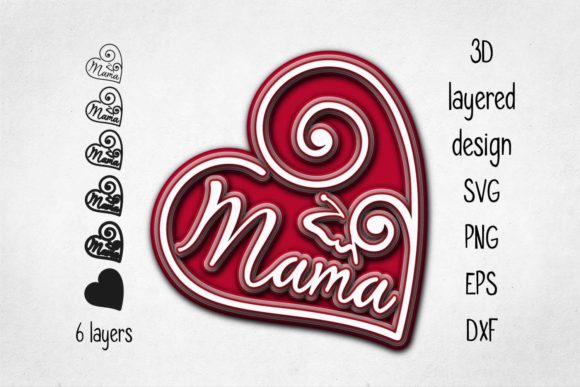
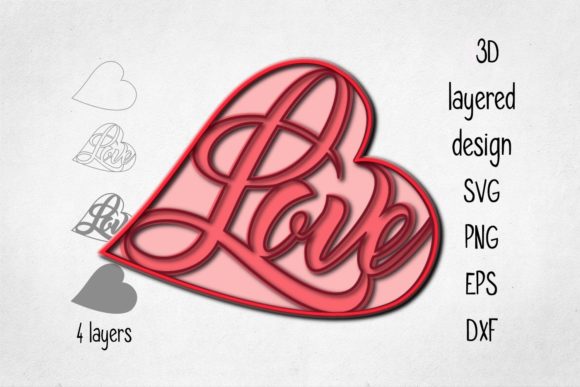
At its core, a 3D layered love heart relies on stacking multiple contours of a heart shape at varying depths. Each layer is typically a flat plane—sometimes identical in outline, sometimes graduated in size or intricately cut with internal patterns. When assembled, the stack creates an illusion of volume and motion. The spacing between layers, the thickness of material, and the order of assembly all influence the final effect.
Common construction methods include:
- Laser-cut stacking – precision-cut layers of acrylic, wood, or cardstock, aligned and adhered with spacers.
- Papercraft layering – hand-cut or die-cut paper sheets mounted on foam tape for elevation.
- 3D printing – single-piece extrusion where layers are built into the model itself.
- CNC routing – carved from a solid block, producing stepped relief.
Each technique yields a different aesthetic. Laser-cut versions deliver crisp, clean edges ideal for modern decor. Papercraft variants offer warmth and accessibility, while 3D printed hearts allow for organic curves and internal lattice work that would be difficult to achieve by hand.
Material Choices and Their Impact
The selection of material fundamentally shapes the character of a 3D layered love heart. Translucent acrylic, for example, catches and diffuses light, making the heart glow when backlit. Wood veneer introduces grain patterns that shift across layers, adding natural variation. Metal sheets provide weight and permanence, suitable for outdoor installations or commemorative pieces.
Consider these material properties when planning a project:
- Rigidity – flexible materials like thin card may warp over time; thicker stock or rigid polymers hold form better.
- Opacity vs transparency – layered transparency creates overlapping color effects; opaque stacks emphasize silhouette and shadow.
- Surface finish – matte finishes reduce glare and highlight texture; gloss finishes add vibrancy and reflectivity.
- Thickness tolerance – consistent layer thickness is critical for uniform spacing and structural integrity.
For gift items, lightweight materials such as basswood ply or premium cardstock are popular because they balance durability with ease of shipping. For permanent displays, acrylic or aluminum offer longevity and a premium feel.
Design Variables That Define the Visual Outcome
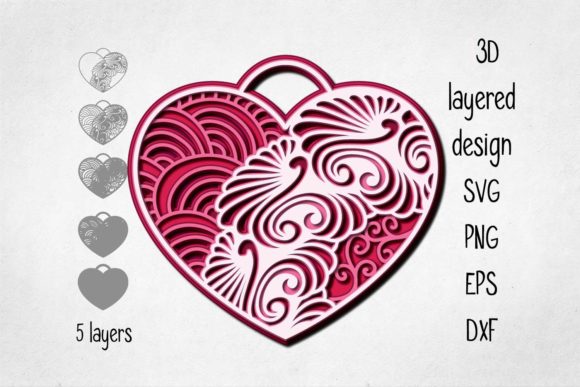
Creating a compelling 3D layered love heart requires thoughtful attention to several design parameters. The number of layers directly affects the sense of depth. Three layers provide a subtle relief; five or more layers create dramatic dimensionality, especially when each layer is progressively smaller or receded.
Layer profile is equally important. Some designs use identical heart outlines at descending scales. Others vary the interior cutouts—perhaps a solid core layer, followed by layers with filigree openings, then a simple outline on the outermost plane. This variation rewards close inspection and creates visual interest from multiple angles.
Spacing between layers determines whether the piece reads as a continuous form or a series of distinct planes. Tight spacing (1-2 mm) gives a smooth sculpted appearance. Wider spacing (5-10 mm) emphasizes each individual layer and casts pronounced shadows, which can be particularly striking in directional lighting.
Color strategy also matters. Monochromatic stacks—all white or all black—emphasize form and shadow. Gradated color sequences, from deep red at the base to pale pink at the front, enhance the illusion of depth and add emotional warmth. Some creators use contrasting colors for adjacent layers to make each plane pop distinctly.
Applications Across Professions and Audiences
The versatility of the 3D layered love heart extends far beyond hobby crafting. In commercial contexts, these hearts appear in retail signage, wedding decor, and corporate gifts. A layered heart logo rendered in branded colors can become a memorable three-dimensional emblem for a business focused on healthcare, relationships, or wellness.
Educators use layered hearts to teach concepts of spatial reasoning, geometric scaling, and additive manufacturing. A classroom project where students design their own layer profiles in vector software, then cut them on a laser cutter, integrates math, design, and hands-on fabrication in a single engaging activity.
For therapists and social workers, crafting layered hearts can serve as a mindfulness exercise. The repetitive process of cutting and assembling layers provides a calming, focused activity. The finished object also acts as a tangible symbol of care or self-compassion, often given as a keepsake in support groups or counseling settings.
Researchers in human-computer interaction have even studied layered artifacts as haptic interfaces. The varying elevations of a 3D layered love heart can communicate information through touch—useful for accessible design or for conveying emotional states in non-verbal contexts.
Practical Workflow for Creating Your Own
If you are new to this craft, a simple workflow can help you produce a polished 3D layered love heart without specialized equipment. Start with vector design software—Inkscape, Adobe Illustrator, or even PowerPoint can work for basic shapes.
- Create the base heart outline using standard dimensions (e.g., 100 mm wide).
- Duplicate the outline three to five times, scaling each copy down by 5-10% or offsetting inward by 2-3 mm.
- Add internal cutouts to some layers—circles, swirls, or text—to create visual texture.
- Export each layer as a separate file or arrange them on a single sheet with cut lines identified.
- Cut the material using scissors, a craft knife, a die-cut machine, or a laser cutter.
- Assemble with spacers—foam tape, cardboard strips, or 3D printed pillars—between each layer.
- Mount on a base or frame for display, or add a stand for tabletop presentation.
Even with hand-cutting, precision matters. Use a cutting mat, sharp blades, and templates printed on cardstock to ensure consistent results. For those with access to a laser cutter, test the power and speed settings on scrap material first to avoid burning or incomplete cuts.
Digital Rendering and Virtual Presentation
Not every 3D layered love heart needs to be physical. Digital renderings of layered hearts appear in website headers, social media graphics, and video intros. Designers use Blender, Cinema 4D, or even CSS3 transforms to simulate stacked layers on screen. The same principles apply—graduated scale, controlled spacing, and thoughtful color—but without material constraints.
Digital layered hearts offer advantages for rapid iteration. You can test fifty color combinations in minutes, animate layers to pulse or rotate, and export multiple resolutions for different platforms. They also allow for impossible geometries: layers that float without visible supports, or internal illuminations that shift in response to cursor movement.
For e-commerce product pages, a rendered 3D layered love heart can give customers a realistic preview of a physical item before purchase. This reduces return rates and builds confidence in the product's appearance and quality.
Considerations for Durability and Display
Physical layered hearts require attention to structural integrity. The outermost layers are most vulnerable to bending or breaking, especially in thin card or lightweight wood. Reinforcing the rear layer with a thicker backing board or a rigid frame adds stability without compromising the layered aesthetic.
Environmental factors also matter. Paper and wood hearts should be kept away from direct sunlight and humidity to prevent warping or discoloration. Acrylic hearts can be cleaned with a microfiber cloth and mild soap, but abrasive cleaners will scratch the surface. If the piece is intended as a gift, include care instructions to ensure longevity.
Mounting options range from simple easel stands to wall-mounted shadow boxes. A shadow box with a glass front protects the layers from dust while allowing full visibility. Floating frames, where the heart appears suspended between two panes of glass, create a particularly elegant presentation.
Customization and Personal Expression
The true power of the 3D layered love heart lies in its adaptability for personal meaning. Names, dates, or short messages can be cut into individual layers, visible only when viewed from the side or at an angle. Color choices can align with a favorite palette, a company brand, or a cause such as heart health awareness (red), breast cancer support (pink), or remembrance (white with silver accents).
Some creators embed small LEDs between layers, creating a soft glow that transforms the piece into a nightlight or ambient accent. Others combine multiple hearts in a single composition—overlapping, nested, or arranged in a cluster to represent family members or team members.
For weddings and anniversaries, a custom 3D layered love heart with the couple's initials and wedding date cut into the rearmost layer offers a lasting memento. For memorial pieces, a heart with a symbolic interior cutout—a bird, a tree, or a musical note—can honor a loved one in a deeply personal way.
Trends and Future Directions
The layered heart aesthetic continues to evolve. One emerging trend is the integration of natural materials with digital fabrication—using sustainably sourced bamboo ply or recycled acrylic. Another is the combination of layered hearts with other geometric forms, such as hexagons or concentric circles, to create hybrid compositions that feel both organic and modern.
Augmented reality applications are also beginning to appear. A physical 3D layered love heart can be paired with a smartphone app that overlays animated layers or hidden messages when viewed through the camera. This hybrid physical-digital experience appeals to younger audiences and adds an element of surprise to gifting.
In the maker community, open-source files for layered hearts are widely shared. Platforms like Thingiverse, Etsy, and Cults3D host thousands of variations, from simple beginner designs to intricate multi-part assemblies. This collaborative ecosystem allows anyone with access to a laser cutter or 3D printer to produce a high-quality layered heart with minimal upfront design work.
As fabrication technology becomes more affordable and accessible, the barrier to creating custom layered objects continues to fall. What was once the domain of specialized sign shops or industrial designers is now within reach of hobbyists, small businesses, and classrooms. The 3D layered love heart stands as a perfect entry point—a shape that everyone recognizes, yet one that offers endless room for creativity and nuance.
Whether you are designing for profit, for education, or for a single meaningful gesture, the layered heart rewards patience and attention to detail. Each cut, each spacer, each color choice contributes to a final object that carries both emotional weight and visual depth. In a world saturated with flat images, a tangible layered form reminds us that love—like the heart that symbolizes it—has dimension, texture, and light.