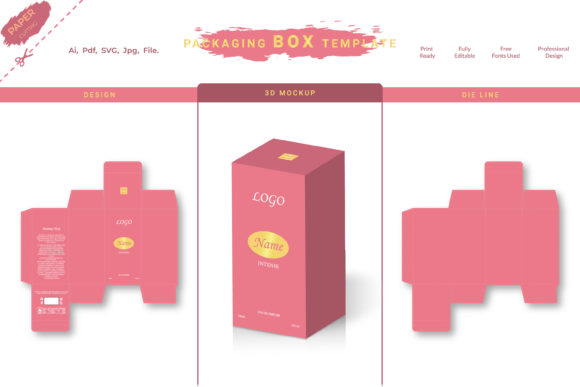
Luxury Box Packaging Design
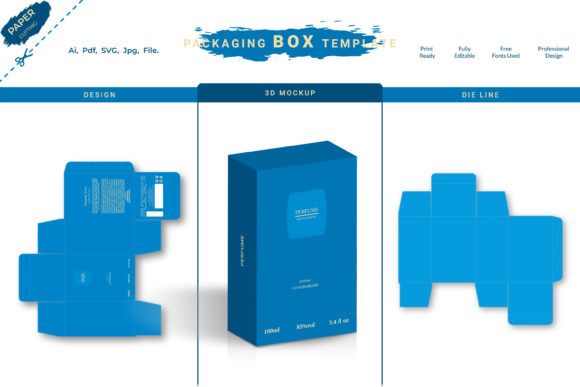
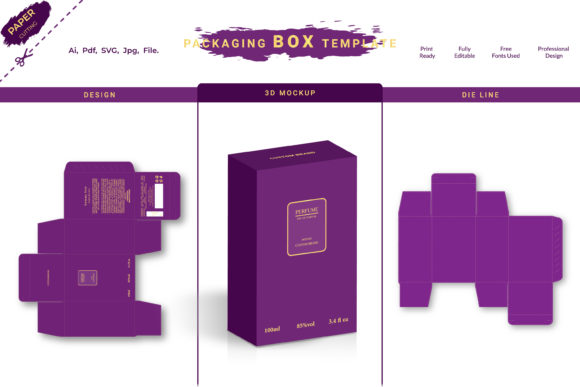
Luxury box packaging design is not merely about wrapping a product in expensive materials. It is a deliberate strategic tool that communicates value before a customer even touches the item inside. When approached with intention, this type of packaging can transform a routine purchase into a memorable experience, support brand positioning, and reinforce the perception of quality. For entrepreneurs, marketers, and business owners, understanding how to leverage luxury packaging design as part of a broader strategy is essential, particularly in competitive markets where differentiation matters.
At its core, luxury packaging design involves the thoughtful selection of materials, structural elements, finishes, and details that convey exclusivity and care. It is not reserved solely for high-end fashion or premium electronics. Small businesses, subscription services, and even digital product creators can use well-considered packaging to elevate their offering and build trust. The key is to align the design with clear goals rather than treating it as an afterthought or a simple cost.
The Strategic Value of Intentional Packaging Design
Luxury box packaging design serves a purpose far beyond protection. It acts as a physical representation of a brand’s values and attention to detail. When a customer receives a package that is beautifully constructed, with precise folds, soft-touch coatings, or embossed logos, it signals that the business cares about their experience. This can support customer retention and word-of-mouth marketing, as people are more likely to share an unboxing moment that feels special.
For decision-makers, this type of packaging can also enhance perceived value, allowing for premium pricing without the need for aggressive sales tactics. A thoughtfully designed box can justify a higher price point because it communicates craftsmanship and exclusivity. However, this works only when the packaging is consistent with the product quality. If the box feels luxurious but the item inside is mediocre, the disconnect erodes trust rather than building it.
From a productivity and operations perspective, luxury packaging design requires planning. It is not something that can be rushed. Businesses that take the time to research material suppliers, test structural integrity, and refine print details often find that the upfront investment pays off through reduced returns, fewer complaints, and increased customer loyalty. In this sense, luxury packaging is not just a creative exercise but a operational decision that affects supply chain, inventory, and budget allocation.
Aligning Packaging Design with Business Goals
Before committing to a luxury box packaging design, it is essential to ask what specific outcomes you want to achieve. Are you launching a new product line and need to establish credibility? Are you repositioning an existing brand to appeal to a more discerning audience? Or are you trying to reduce return rates by ensuring that customers perceive higher value upon delivery? Each goal leads to a different approach.
For example, a small skincare brand aiming to compete with established names might use a heavy rigid box with magnetic closure and a satin interior. This immediately signals that the product inside is not a commodity but a curated experience. On the other hand, a tech accessories company might focus on minimalism, using a sleek two-piece box with a precise insert that holds each item securely. The common thread is that the design must support the brand’s story and the customer’s expectations.
A practical planning tip is to start with a clear brief that defines the emotional response you want to provoke. Do you want surprise, comfort, excitement, or sophistication? The materials, colors, and textures should all work toward that single intention. Avoid the temptation to use multiple premium finishes just because they are available. Restraint often communicates confidence more effectively than excess.
Another consideration is scalability. Luxury box packaging design can be expensive per unit, especially for small runs. If your goal is to test a new market, consider a phased approach. Begin with a limited edition or a small batch that uses premium packaging, gather feedback, and then decide whether to expand. This reduces financial risk while allowing you to learn what resonates with your audience.
When and Where to Invest in Premium Packaging
There are specific scenarios where luxury box packaging design delivers the highest return. One is for products that are gifts themselves. If your item is commonly purchased as a present for someone else, the packaging becomes part of the gift value. A beautifully wrapped box can be the deciding factor for a buyer who is choosing between your brand and a competitor.
Another scenario is for subscription boxes or recurring delivery models. The unboxing experience is a recurring touchpoint, and consistent luxury packaging can reinforce the subscription’s value every month. It also encourages subscribers to share their experience on social media, providing free exposure.
Luxury packaging is also useful for products sold in physical retail environments where packaging must compete on the shelf. A well-designed box catches the eye and invites touch, which can increase conversion rates. However, for e-commerce, the packaging must also withstand shipping without damage. Structural testing is crucial here, as a crushed luxury box undermines the entire purpose.
It is equally important to know when not to use luxury packaging. If your product is a low-cost consumable with high turnover, the packaging cost may eat into margins without producing a proportional lift in sales. Similarly, if your brand is built on values of simplicity or sustainability, excessive packaging can feel contradictory. In such cases, a more minimal approach that still feels intentional might be a better fit.
Approaching Luxury Packaging with Purpose
Successful luxury box packaging design begins with research. Understand your customer’s lifestyle, their unboxing environment, and what they value. For instance, a professional in a busy urban setting might appreciate packaging that is easy to open and dispose of, while a collector might want packaging that can be reused or displayed. These insights inform decisions about structure, materials, and finishing.
Next, work with suppliers who specialise in premium packaging. They can advise on practical details such as minimum order quantities, lead times, and cost-saving alternatives that maintain the look and feel. For example, a hot foil stamp can create a premium appearance on a less expensive stock, balancing budget and impact. Prototyping is non-negotiable. Order physical samples to test the weight, texture, and closure mechanism before committing to production.
Another strategic consideration is sustainability. Many consumers now associate luxury with responsibility. Using recycled or FSC-certified materials, reducing unnecessary layers, and designing for reuse can enhance the brand image while meeting environmental expectations. This does not mean sacrificing quality; many premium papers and boards are available with eco-friendly credentials. Communicating these choices on the packaging itself can further strengthen trust.
From a creative standpoint, involve your team early. Marketers, designers, and operations staff should collaborate on the packaging brief to ensure that the design is feasible, on brand, and aligned with the customer journey. A common mistake is to treat packaging as a purely visual task, ignoring how it will be handled in the warehouse or how customers will open it. A pragmatic approach saves time and resources.
Common Pitfalls and How to Avoid Them
One of the most frequent errors in luxury box packaging design is using premium materials for a product that does not match their quality. If the box is heavy and ornate but the product feels cheap or flimsy, the customer will feel misled. This can lead to negative reviews and returns. To avoid this, ensure that the product itself meets the standard set by the packaging.
Another pitfall is over-engineering. A box with multiple inserts, ribbons, and layers may look impressive, but it can frustrate customers who want quick access. In e-commerce, excessive packaging also increases shipping costs and waste. Test your design with real users to see how they interact with it. Often, simplicity and ease of opening are more appreciated than complexity.
Ignoring the unboxing narrative is another risk. Luxury packaging should guide the customer through a sequence: anticipation, reveal, discovery, and satisfaction. If the design is chaotic or difficult to navigate, it breaks the emotional flow. Map out the experience step by step, considering what the customer sees first, what they touch, and how they remove the product.
Finally, avoid using luxury packaging as a substitute for product improvement. No box can fix a product that fails to perform. The packaging is an enabler, not a savior. If your core offering lacks quality, investing in expensive packaging will only highlight the gap.
Building Long-Term Value Through Thoughtful Design
When executed with clarity, luxury box packaging design can contribute to long-term brand equity. Repeat customers begin to associate the unboxing experience with reliability and care, which reduces churn. Over time, the packaging becomes part of your brand’s identity, recognizable even without a logo. This is the difference between packaging that merely contains and packaging that communicates.
For small businesses and entrepreneurs, this type of design can level the playing field. A carefully crafted box can make a new brand feel as established as a legacy competitor, provided the customer’s experience inside the box is consistent. It also creates content opportunities: unboxing videos, social media posts, and user-generated content that can be repurposed for marketing.
To maintain long-term value, revisit your packaging design periodically. Market trends, material costs, and customer preferences evolve. What felt luxurious five years ago may now feel dated. However, avoid frequent drastic changes, as consistency builds recognition. Instead, refine details, improve structural integrity, or introduce subtle updates that keep the experience fresh without alienating loyal customers.
Ultimately, luxury box packaging design is a tool that works best when it is part of a larger, coherent strategy. It requires investment in time, research, and budget, but the returns can be substantial when applied to the right products and audiences. By approaching it with clear goals, realistic planning, and a focus on the customer experience, you can turn a simple box into a competitive advantage that supports both immediate sales and enduring brand loyalty.