The Art of 3D Layered Happy Valentine's Day Designs: Crafting Depth and Emotion
Valentine's Day has long been a celebration of love, connection, and thoughtful gestures. In recent years, a creative trend has captured the hearts of crafters, designers, and gift-givers alike: 3D layered Happy Valentine's Day art. This technique transforms flat images into multidimensional masterpieces that seem to come alive. Whether you're a seasoned crafter or a curious beginner, understanding what 3D layered designs are, why they matter, and how to use them can open up a world of heartfelt possibilities. In this article, we'll explore the purpose, significance, and practical applications of 3D layered Valentine's Day creations, and show you how this art form fits seamlessly into modern life, work, and celebration.
What Exactly Is 3D Layered Art for Valentine's Day?
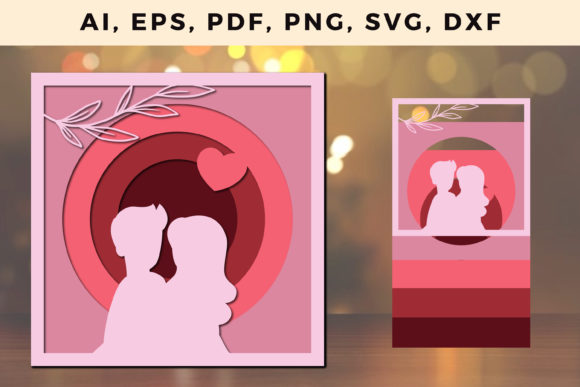
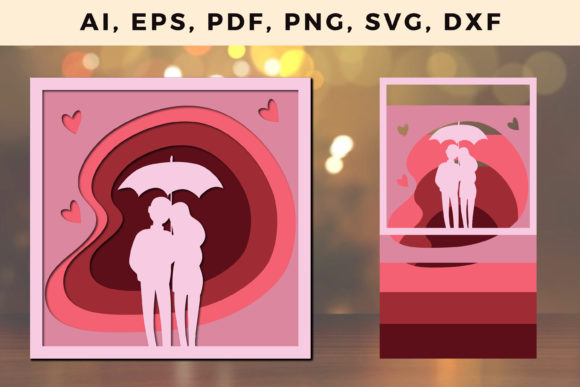
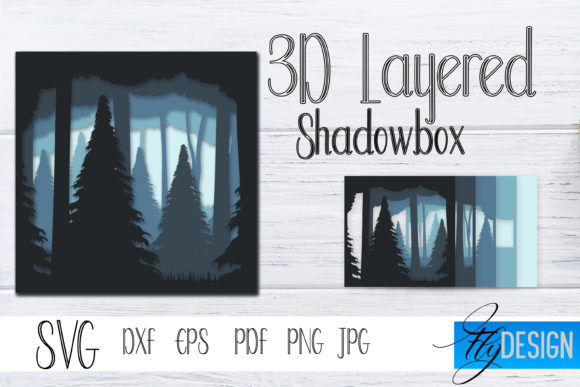
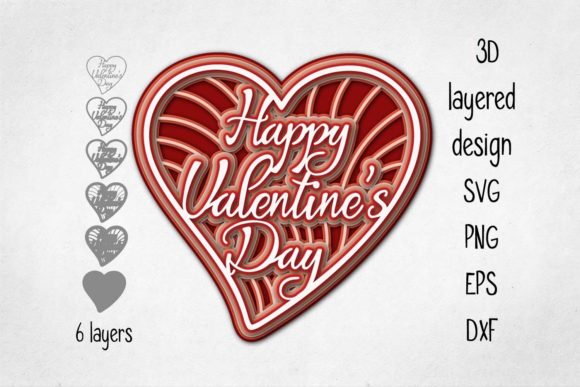
At its core, 3D layered art is a technique where multiple cut-out pieces of material—typically paper, cardstock, or even digital layers—are stacked on top of one another to create a sense of depth, shadow, and perspective. For Valentine's Day, these layers often feature hearts, roses, Cupid, love letters, or romantic silhouettes. Each layer is carefully arranged so that when viewed from the front, the composition appears to have physical dimension. A "Happy Valentine's Day" message might be integrated into one or more layers, with letters appearing to float or recede into the scene.
The magic of this technique lies in its simplicity. By separating elements that would normally exist on a single plane, you create foreground, middle ground, and background. A pink heart might sit at the front, a bouquet of roses a few millimeters behind it, and a soft sunset gradient at the rear. The result is a piece of art that draws the eye inward and invites the viewer to explore every level.
This approach can be applied to physical crafts, such as handmade cards and shadow boxes, or to digital designs used in social media posts, websites, and printable decor. The core principle remains the same: layers build depth, and depth builds emotional resonance.
The Purpose and Significance of Layered Designs
Why go through the extra effort of layering when a simple flat card or image can convey a Valentine's Day message? The answer lies in how humans perceive and respond to depth. Research in visual psychology suggests that three-dimensional imagery feels more real, more immersive, and more memorable. When you give someone a 3D layered card, you are not just handing them a message—you are handing them an experience.
The significance of this on Valentine's Day cannot be overstated. This holiday is about expressing deep emotions, and a flat, mass-produced card can sometimes feel impersonal. A 3D layered design, by contrast, signals effort, thoughtfulness, and creativity. Each layer represents a careful decision: what goes in front, what stays behind, what catches the light. The tactile nature of physical layers—the slight raise of a paper heart, the shadow cast by an embossed letter—creates a sense of intimacy that a printed page simply cannot match.
Moreover, layering allows you to tell a story. The front layer might show a couple holding hands, the middle layer a park bench, and the background a sunset sky. As the recipient's gaze travels from front to back, they experience a narrative unfolding. This is far more engaging than a single static image. For creators, layering is a way to pour more meaning into a small space.
In Personal Celebrations
The most obvious home for 3D layered Valentine's Day art is in handmade cards and gifts. A layered card can be the centerpiece of a gift box, or a standalone gesture that says "I took time for you." Many crafters use cutting machines like Cricut or Silhouette to precisely cut layers from cardstock, but hand-cutting with a craft knife is equally rewarding. Shadow box frames are also popular, where layers are arranged inside a deep frame to create a permanent keepsake. These pieces often become cherished decorations displayed year after year.
For children and families, simplified layered projects—such as a heart tree with removable layers—make for a fun Valentine's Day activity. Parents and kids can cut, glue, and arrange layers together, turning the creation process into a bonding moment. The finished piece then serves as a proud reminder of time spent together.
In Business and Marketing
Small businesses and retailers have embraced 3D layered designs to stand out during the Valentine's season. A bakery might use a layered digital graphic on social media to promote heart-shaped cookies, with the product appearing to pop off the screen. Etsy sellers craft layered cards and decorations that command higher prices precisely because of the perceived value of the depth and complexity. In email marketing, layered GIFs or hover-effect images can increase click-through rates by catching the recipient's eye.
Even corporate brands use layered aesthetics in digital campaigns to convey warmth and attention to detail. A layered "Happy Valentine's Day" headline, with each letter resting on a different plane, feels more premium than a standard font. For businesses that align with love, friendship, or gratitude, this design language reinforces their message.
In Education and Creativity
Teachers and educators use 3D layered Valentine's Day projects to teach concepts like spatial reasoning, composition, and color theory. Students learn how overlapping shapes create new forms, how shadows define boundaries, and how foreground-background relationships work. It's a hands-on way to introduce principles of art and design that apply far beyond holiday crafts. Digital design tools like Canva, Adobe Illustrator, or Procreate allow students to experiment with layers without needing physical materials, making the technique accessible to anyone with a tablet or computer.
For hobbyists, the layered approach offers endless room for growth. Beginners can start with two or three simple layers, while advanced creators might incorporate intricate cutouts, backlighting, or mixed media elements like fabric and foil. The technique scales with skill level.
Key Techniques and Materials
To create a 3D layered Happy Valentine's Day piece, you'll need a few basics. For physical projects, start with cardstock in various weights and colors. Heavier paper (at least 80 lb or 200 gsm) holds its shape better for foreground layers. A cutting mat, a sharp craft knife or precision scissors, and strong adhesive foam squares or dots are essential. Foam adhesive is the secret weapon: it lifts each layer off the one below, creating the physical gap that produces visible shadows. For digital projects, use design software that supports multiple layers, such as Photoshop, Illustrator, or Canva. Arrange layers from back to front, and consider adding drop shadows to simulate depth.
A common beginner approach is the three-layer card: a background layer (e.g., a scenic print or solid color), a middle layer (a heart or floral shape), and a top layer (a "Happy Valentine's Day" sentiment). More complex designs can feature five, seven, or even ten layers, with small spacer elements between each. Some creators also incorporate lighting by placing a small LED behind the layers, causing the cutouts to glow—a stunning effect for evening surprises.
Digital layering follows similar principles but uses transparency, gradients, and drop shadows. A GIF animation that cycles through layers can simulate turning a card in your hands. For static images, careful use of blur and opacity can mimic depth of field, making foreground elements crisp and background elements soft.
Common Misunderstandings About 3D Layered Art
One common assumption is that 3D layered art requires expensive tools or advanced skills. While cutting machines and high-end software can certainly help, many stunning projects are made with just scissors, paper, and patience. The key is planning—sketching out which elements go in which layer—not equipment. Another misunderstanding is that layers must be perfectly aligned to look good. In reality, slight imperfections can add handmade charm. A heart that sits a millimeter off-center can feel more organic than one placed with robotic precision.
Some people also believe that 3D layered designs are only for cards or decor. In truth, they are used in packaging (a layered box lid that reveals a message), digital invitations, website hero images, and even augmented reality filters. The core concept—stacking visual elements to create depth—is universal.
Finally, there is a misconception that layering is inherently time-consuming. While complex projects do take time, a simple two- or three-layer design can be completed in under an hour. The return on that time is a gift that feels far more personal than anything store-bought.
Practical Tips for Creating Your Own 3D Layered Valentine's Day Project
If you're ready to try your hand at this craft, here are actionable steps to get started:
- Choose a theme. Will your design center on hearts, flowers, a couple, a love letter, or something else? Let the recipient's tastes guide you.
- Plan your layers. Sketch three to five layers on paper. The back layer should be the largest and most neutral; front layers should be smaller and more detailed. Decide where the "Happy Valentine's Day" text will go—often it works best on the top layer or floating between two layers.
- Select materials. For physical projects, pick cardstock colors that contrast well. Soft pinks, reds, whites, and golds are classic, but don't be afraid to use unexpected palettes like navy and coral. For digital projects, choose a font that feels romantic but legible.
- Cut carefully. Whether by hand or machine, ensure edges are clean so layers sit flat. Use foam adhesive squares for physical projects, lifting each layer by 1–3 mm. In digital tools, apply drop shadows with a soft edge and a distance that matches the perceived gap.
- Assemble from back to front. Start with the background, then add each subsequent layer. Check alignment as you go. For physical projects, let adhesive cure for a few seconds before pressing the next layer to avoid shifting.
- Add finishing touches. Consider glitter accents, a ribbon border, or a handwritten note on the back. For digital pieces, add a subtle animation or hover effect to reinforce the depth.
Remember that practice makes progress. Your first project might not be perfect, but it will be yours—and that authenticity is exactly what Valentine's Day is about.
Broader Understanding: Why Depth Matters in Expression
Zooming out, the rise of 3D layered art reflects a larger cultural shift toward tangible, handmade experiences in a digital world. As we spend more time on flat screens, physical depth becomes a novelty that commands attention. A layered card or shadow box offers something rare: a piece of art you can touch, tilt, and explore from different angles. Even digital layers, with their simulated shadows and animations, mimic that tactile curiosity.
In business, this translates to higher engagement. A layered social media graphic stops the scroll. A layered email header invites clicks. In education, it teaches important skills like sequencing, spatial judgment, and design thinking. And in personal relationships, it communicates care in a way that words alone cannot.
The "Happy Valentine's Day" message at the heart of these designs is more than just a greeting—it's a prompt to pause, to feel, and to appreciate the depth of the connection you share. And that is the real purpose of the art.
Conclusion
3D layered Happy Valentine's Day designs are a beautiful fusion of creativity, craftsmanship, and emotional expression. From simple handmade cards to elaborate digital campaigns, the technique of stacking layers to create depth transforms a flat message into a memorable experience. Whether you are crafting for a loved one, designing for a brand, or teaching a classroom of students, the principles of layering are accessible, versatile, and deeply rewarding. By understanding what this art form is, why it matters, and how to practice it, you gain a new way to say "I love you"—one layer at a time.
So this Valentine's Day, consider stepping away from the generic and into the dimensional. Pick up some cardstock, open a design tool, or simply imagine what could be. With each layer you add, you build not only depth of field but depth of feeling. And that is a gift worth giving.