The Art of Celebration: Happy Birthday SVG and the Rise of 3D Letter Illusions
Birthday greetings have come a long way from store-bought cards and generic banners. Today, digital design tools put the power of professional-grade visuals into anyone's hands. Among the most exciting developments is the combination of Happy Birthday SVG formats with 3D letter illusion techniques. This pairing allows creators to produce dimensional, eye-catching typography that seems to pop off the screen or page. Whether you are a hobbyist designing for a friend, a small business owner crafting branded templates, or a marketer looking for fresh social media content, understanding how these elements work together opens up new creative possibilities.
Scalable Vector Graphics, or SVGs, have become a staple in modern design because they maintain crispness at any size. When you layer a 3D letter illusion onto an SVG, you get the best of both worlds: resolution independence plus a striking sense of depth. This article explores what makes this combination so relevant today, how it fits into current creative workflows, and why it matters for anyone who communicates through visuals.
Why Dimensional Typography Resonates with Today's Audiences
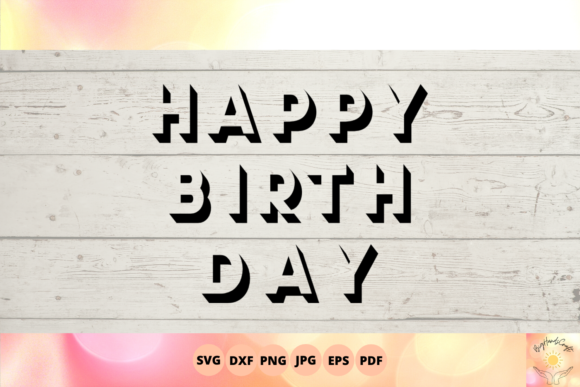
Visual saturation is real. People scroll through hundreds of images daily, and flat text often fails to stop the thumb. A 3D letter illusion built into a Happy Birthday SVG creates a moment of pause. The brain processes depth cues quickly, and even a subtle shadow or extrusion can make a greeting feel more personal and crafted. This is not about flashy effects for their own sake—it is about signaling care and intention in a medium where cheap, generic templates dominate.
For professional creators and entrepreneurs, this matters because first impressions hinge on perceived effort. A birthday post, invitation, or banner that uses dimensional lettering communicates that the sender invested time and thought. In an era where personalization drives engagement, the 3D letter illusion offers a practical way to stand out without overwhelming the message.
- Attention retention: Depth cues naturally hold the eye longer than flat text.
- Emotional resonance: Dimensional lettering feels more tactile, evoking warmth and celebration.
- Brand differentiation: Businesses that offer custom birthday designs can charge a premium for unique 3D SVG work.
How SVG Technology Enables the 3D Letter Illusion
SVG is not merely a file format—it is a robust framework for mathematical precision. Unlike raster images that pixelate when scaled, SVGs use vectors defined by coordinates and curves. This makes them ideal for constructing 3D letter illusions because you can layer multiple instances of the same letterform, offset them slightly, and apply gradients or shadows to simulate depth. The result is a clean, scalable graphic that works equally well on a business card, a billboard, or an Instagram story.
Modern SVG editing software—both desktop and browser-based—allows users to manipulate paths, adjust opacity, and create perspective effects with relative ease. For beginners, pre-made Happy Birthday SVG kits often include layered files where the 3D illusion is already built. For advanced designers, the open nature of SVG means you can tweak every anchor point to refine the illusion further. This flexibility is why SVGs have replaced many traditional vector formats in web and print workflows.
Key Technical Factors Behind the Illusion
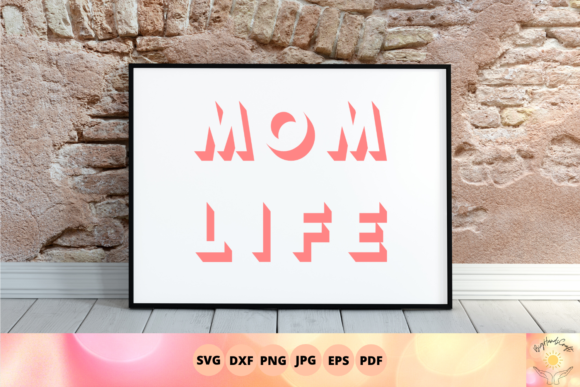
Creating a convincing 3D letter illusion in SVG relies on three core principles: offset layering, gradient shading, and perspective alignment. Offset layering duplicates the letter shape and shifts it diagonally to mimic extrusion. Gradient shading then darkens the recessed layers and lightens the front face, reinforcing the sense of depth. Perspective alignment ensures that all letters in a phrase share the same vanishing point or angle, keeping the illusion consistent across the entire design.
These techniques are not new—they borrow from classic typography and illustration. What has changed is the accessibility of tools that automate parts of the process. Designers can now generate a 3D letter illusion in minutes using SVG templates, then customize colors, shadows, and angles to fit a specific brand or party theme. This democratization of dimensional design is a major reason why more creators are adopting the approach.
Evolution of Birthday Visuals: From Static Cards to Dynamic Assets
Birthday design has always reflected the tools of the era. In the 20th century, greeting cards relied on embossing, foil stamping, and die-cuts to create physical dimension. When digital design emerged, those tactile effects were mimicked with drop shadows and bevels. But early web and print constraints limited how realistic those effects could appear. SVGs changed that by providing a lightweight, code-based way to build genuine 3D illusions that render smoothly across devices and resolutions.
Today's expectation is that digital greetings should be as visually rich as their physical counterparts, if not more so. The Happy Birthday SVG ecosystem now includes everything from animated bouncing letters to isometric 3D blocks that rotate on hover. The 3D letter illusion sits at the intersection of nostalgia for traditional craft and enthusiasm for modern digital precision. It respects the past while embracing the present.
For educators and bloggers, this evolution is worth noting because it reflects a broader shift in how people celebrate milestones. Virtual parties, social media shout-outs, and digital invitations have become standard. Design assets that deliver impact in a thumbnail or a loading screen are no longer optional—they are expected. Mastering the 3D letter illusion is one way to meet that expectation without needing a full animation suite.
Practical Applications Across Professions and Projects
The combination of Happy Birthday SVG and 3D letter illusion is not limited to greeting cards. Its uses span multiple domains, and each application benefits from the same depth and scalability.
- Social media content: A bold, dimensional birthday graphic stops the scroll. Use it for Instagram posts, Facebook covers, or YouTube thumbnails.
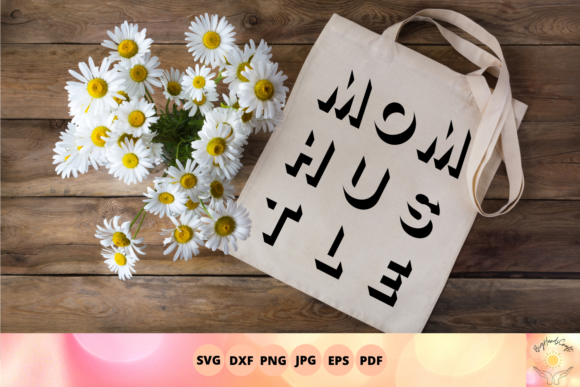
- Print on demand: T-shirts, mugs, and tote bags with 3D lettering sell well because the design looks premium in photos. SVGs ensure clean production at any print size.
- Event branding: Birthday parties, corporate celebrations, and milestone events can all use consistent 3D SVG typography across banners, invitations, and signage.
- Digital products: Etsy and Creative Market sellers find that templates featuring a 3D letter illusion attract more clicks and conversions than flat alternatives.
- Personal projects: Hobbyists making gifts for friends or family can produce professional-looking results without hiring a designer.
One realistic example: a freelance graphic designer specializing in children's birthday invitations uses a layered SVG file with a 3D letter illusion to offer customizable name plates. By simply changing the text and colors, the designer creates unique invitations for each client while maintaining a consistent, high-quality look. The scalability of SVG means the same file works for a digital invite sent via email and a printed version ordered as a physical card.
Current Trends Shaping the Use of 3D Letter Illusions
Several broader trends make this topic particularly relevant right now. First is the rise of no-code and low-code design tools. Platforms like Canva, Cricut Design Space, and Silhouette Studio now support SVG imports with layered structures, allowing users without deep technical skills to work with 3D letter illusions. This has expanded the market for ready-made Happy Birthday SVG files that include pre-built depth effects.
Second is the demand for authenticity in digital communication. Flat, generic templates feel impersonal. A 3D letter illusion, even when created from a template, retains a handcrafted quality that resonates. People are willing to pay more for designs that look like someone cared to make them special. This trend is visible across Etsy listings, where sellers offering dimensional SVG birthday bundles often see higher engagement than those offering standard flat files.
Third is the growing importance of accessibility. SVGs are inherently more accessible than raster images because they can be scaled, recolored, and read by screen readers when properly coded. The 3D letter illusion adds visual interest without compromising these benefits, as long as designers avoid relying solely on color to convey meaning. This aligns with broader shifts toward inclusive design in both web and print.
Practical Recommendations for Getting Started
If you're intrigued by the possibilities of Happy Birthday SVG and 3D letter illusion, starting is simpler than you might think. Begin by exploring SVG collections that include layered birthday designs. Many sites offer free or low-cost sets with the 3D illusion already constructed. Use these as learning tools to see how layers, gradients, and offsets interact.
Next, experiment with editing. Open an SVG file in a vector editor such as Inkscape, Adobe Illustrator, or a web-based tool like Vecteezy Editor. Adjust the extrusion depth by moving offset layers farther apart or closer together. Change gradient colors to match a specific palette. Practice with a single letter before moving to an entire word. The goal is not perfection but understanding how each variable affects the illusion.
For those who prefer coding, SVG markup is text-based. Inspecting the source code of a 3D letter illusion can be illuminating. You will see how groups of paths are stacked, how gradient definitions are written, and how transforms are applied. This knowledge is valuable for anyone working in web development, digital marketing, or instructional design.
Finally, test your designs in multiple contexts. A 3D letter illusion that looks dramatic on a desktop screen may appear flat on a mobile image or muddled when printed on a dark background. Iterate based on where the final asset will live. Small adjustments to contrast, shadow opacity, and line spacing can make the difference between an effect that impresses and one that distracts.
Looking Forward Without Over-Promising
The trajectory for dimensional SVG design is promising but grounded. As browser support for advanced SVG features continues to improve, we may see more interactive 3D letter illusions—ones that respond to mouse movement or scroll position. However, the core value of a static 3D letter illusion will remain strong because it works immediately, requires no extra bandwidth, and is compatible across platforms.
For businesses and creators, the wise move is not to chase every emerging trend but to build a foundation in techniques that consistently deliver value. The Happy Birthday SVG with a well-executed 3D letter illusion is one such foundation. It meets a universal need—celebrating someone's special day—with a visual approach that feels both contemporary and timeless. As long as people continue to value effort, care, and beauty in their communications, this combination will have a place in the designer's toolkit.
The most practical takeaway is this: you do not need to be a 3D artist or a coding expert to create dimensional birthday graphics. What you need is curiosity, a willingness to experiment with layers and gradients, and access to an SVG workflow. The rest is a matter of practice and paying attention to what resonates with your audience. Start small, test often, and let the depth of your design—both literal and figurative—speak for itself.