The Power of E Negative Space Logo: How Empty Shapes Define Modern Branding
In an era where every pixel competes for attention, the most effective logos often say more with less. Among the most compelling examples of this philosophy is the E Negative Space Logo – a design approach that transforms the letter “E” into a canvas of hidden meaning by leveraging the empty spaces around and within it. This technique is not merely a stylistic choice; it represents a deeper shift in how brands communicate in a cluttered, visually saturated environment. For professionals, creators, and marketers, understanding why the E Negative Space Logo resonates today offers a window into broader trends in minimalist design, cognitive psychology, and strategic branding.
Understanding the E Negative Space Logo
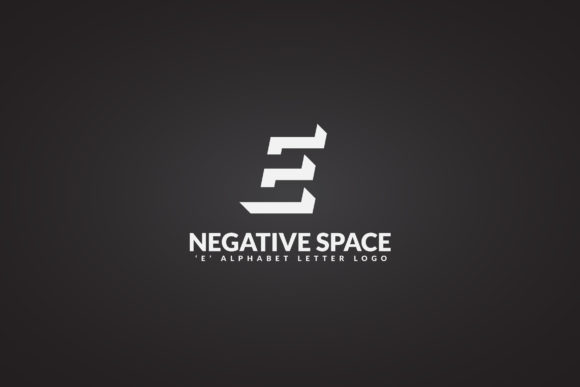
At its core, an E Negative Space Logo uses the contours of the letter “E” – either uppercase or lowercase – to create a secondary image within the negative (background) area. The classic example is the FedEx logo, where the negative space between the “E” and “x” forms an arrow. However, the technique extends far beyond that single case: designers embed arrows, hearts, eyes, curves, or abstract shapes into the arms, crossbars, or surroundings of the letter E. The result is a single, often monochromatic mark that communicates multiple layers of meaning instantaneously.
What makes the E Negative Space Logo especially powerful is its dual-function nature. The positive shape (the “E”) remains legible, while the negative shape adds a hidden message or a visual punchline. This dual reading demands a moment of discovery from the viewer – a small cognitive reward that increases brand recall. For entrepreneurs and freelancers building a visual identity from scratch, this technique offers a way to pack maximum meaning into a minimal footprint.
Why Negative Space Logo Design Matters Now
The rise of the E Negative Space Logo cannot be isolated from broader shifts in industry and market preferences. Over the past decade, branding has moved toward extreme simplicity. Consumers now interact with brands across dozens of touchpoints – from a tiny app icon on a phone to a massive billboard. A logo must scale instantly without losing clarity. Negative space designs, particularly those built around a single letter like E, thrive in these conditions because they rely on high contrast and geometric clarity.
Moreover, the modern consumer is visually literate. People are accustomed to “unlocking” Easter eggs in digital products – and a clever E Negative Space Logo taps into that same playful curiosity. Brands that use this technique signal that they are thoughtful, intentional, and willing to invest in craftsmanship. In a business environment where trust and differentiation are paramount, a logo that rewards a second look can be a subtle yet powerful asset.
Workflows have also changed. Design tools like vector editors (Adobe Illustrator, Figma) make it easier to experiment with negative space, and the proliferation of digital-first branding means that a logo must work even when shrunk to 16×16 pixels. The E Negative Space Logo is inherently suited to these constraints because it reduces visual noise while preserving brand essence.
The Cognitive Appeal of Negative Space in E Logos
Why does an E Negative Space Logo stick in the mind? The answer lies in Gestalt psychology, specifically the principles of figure-ground perception and closure. When a viewer sees an E with an unexpected shape in the negative space, the brain actively works to resolve both interpretations – the letter and the hidden symbol. This mental effort, when successful, creates a positive emotional response. The logo becomes a “micro-story” that the audience participates in completing.
For example, consider an E that doubles as an eye – perfect for a brand in vision, surveillance, or photography. The viewer first reads the letter, then notices the eye, and experiences a moment of delight. This dual-layer processing makes the logo more memorable than a straightforward wordmark. Marketers and brand strategists have long known that engagement is the first step toward loyalty; the cognitive hook of an E Negative Space Logo provides that engagement in a fraction of a second.
Practical example: A startup in the logistics space might use an E where the negative space forms a forward-pointing arrow. The arrow communicates speed and direction, while the E stands for the brand name. Without any extra words, the logo conveys both identity and value proposition. Such efficient communication aligns perfectly with today’s expectation for fast visual scanning.
Practical Applications and Industry Observations
The E Negative Space Logo is not limited to one industry. We see it across technology, media, education, and even wellness. Its versatility comes from the letter E itself – one of the most common letters in many languages, making it a natural starting point for brand names. The hidden shapes, however, must be chosen with care:
- Technology and SaaS: An E with a negative space gear or circuit path suggests innovation and engineering. This appeals to B2B audiences who value precision.
- Creative agencies: An E that contains a paintbrush or a pencil tip in its negative space communicates artistry and expertise.
- Health and wellness: An E with a negative-space leaf or heartbeat line aligns with organic, caring values.
- Finance and law: An E with a shield or lock icon in the negative space projects security and trust.
These examples show that the E Negative Space Logo is not a one-size-fits-all template. It requires deliberate choice of the hidden image to match the brand’s core message. When done well, it becomes a seamless blend of typography and iconography – a compound visual signature that eliminates the need for separate wordmark and symbol.
From a market trend perspective, the growing adoption of minimalist branding across sectors – from luxury to budget – reinforces the relevance of negative space. Companies are moving away from cluttered logos that fail to work in responsive web design. The E Negative Space Logo sits at the intersection of simplicity and depth, precisely where many brands want to be.
How to Design an Effective E Negative Space Logo
For designers and creative professionals tasked with developing such a logo, the process goes beyond mere geometric manipulation. The following principles guide effective execution:
- Start with a clear letterform. The E must be recognizable even when partially obscured. Sans-serif variations often work best because of their clean edges, but serif E can also succeed if the negative space is carved from heavy strokes.
- Balance the positive and negative shapes. Neither should dominate at the expense of legibility. The hidden symbol should emerge naturally, not feel forced or excessively abstract.
- Test at every scale. An E Negative Space Logo that looks stunning on a poster may become a smudge on a favicon. Use vector-based testing to ensure the negative space remains discernible at 50px or less.
- Consider cultural context. A shape that works in one market might have unintended connotations in another. For global brands, research the symbolism of the negative-space element.
- Iterate with real users. Show the logo to a sample audience without explanation. If they can describe both the E and the hidden image within a few seconds, the design is likely effective.
These steps integrate directly into modern design workflows. Agile teams can prototype multiple negative space variations in a single day, using tools that allow instant feedback. The E Negative Space Logo benefits from this iterative approach because the interaction between positive and negative is highly sensitive to minor adjustments.
The Business Case for an E Negative Space Logo
Entrepreneurs and marketers evaluating the return on investment of a logo redesign often ask: does it justify the cost? Several factors make the E Negative Space Logo a sound business decision:
- Versatility across media. This logo type works in print, digital, embroidery, and signage without requiring separate versions. The cost savings in production and maintenance can be significant over time.
- Memorability and recognition. Because the viewer actively deciphers the hidden image, the logo becomes a mental anchor. Studies in brand recall consistently show that logos with elements of surprise or cleverness outperform flat wordmarks in retention tests.
- Differentiation in competitive markets. Many brands still rely on generic icons or text-based logos. An E Negative Space Logo signals creativity and attention to detail – traits that consumers associate with quality products and services.
- Storytelling without words. The hidden shape can serve as a conversation starter, especially in pitch decks, trade shows, or social media profiles. For startups seeking investor attention, a smart logo can subtly reinforce the brand narrative.
Example: A boutique consulting firm that used an E Negative Space Logo with a hidden upward staircase reported that clients often commented on the “growth” symbolism. The brand did not need to explicitly say “we help you grow” – the logo did it visually, adding depth to every touchpoint.
Future Outlook: Negative Space as a Lasting Branding Strategy
While design trends come and go, the E Negative Space Logo is unlikely to fade because it draws on timeless principles of visual perception. As environmental and digital constraints push brands toward smaller, more efficient communications, the ability to convey multiple ideas in a single element becomes increasingly valuable. Sustainability also plays a role: simpler logos use less ink, require less energy to reproduce, and age more gracefully than complex illustrations. Companies that adopt a negative-space approach now are future‑proofing their brand against further simplification demands.
Furthermore, the rise of adaptive branding means that a logo might be displayed in dozens of contexts – from a smartwatch face to an augmented reality overlay. The E Negative Space Logo, with its high contrast and dual structure, remains legible even in these extreme environments. Designers and brand managers who understand this flexibility are already incorporating negative space into their standard toolkit.
In the coming years, we can expect more brands to explore negative space not just in letters but in entire logotypes. The E is a natural starting point because of its prevalence and geometric simplicity. By mastering it, professionals across industries set a foundation for a coherent, resilient visual identity.
Conclusion
Whether you are a freelancer sketching a personal brand, a marketer evaluating a redesign, or a creator searching for a distinctive symbol, the E Negative Space Logo deserves serious consideration. It embodies the principles of modern branding: simplicity, depth, adaptability, and engagement. The empty spaces in the letter E are not voids – they are opportunities. Used thoughtfully, they can transform a mark from a mere identifier into a memorable, meaningful piece of communication that resonates across audiences and platforms. As the demand for intelligent, minimal design grows, the E Negative Space Logo stands as a prime example of how shape and absence work together to build lasting brand value.