Understanding the 3D Multi Layer Christmas SVG File and What It Offers for Your Holiday Projects
When you browse for holiday crafting inspiration, you quickly notice that not all digital designs are created equal. Among the many options available, the 3D Multi Layer Christmas SVG File stands out as a distinct format that combines depth, structure, and versatility. Whether you are planning handmade ornaments, layered paper art, or decorative signs, understanding how this file type works and where it fits among other approaches can help you make a more informed choice for your specific project.
What Makes the 3D Multi Layer Christmas SVG File Distinct
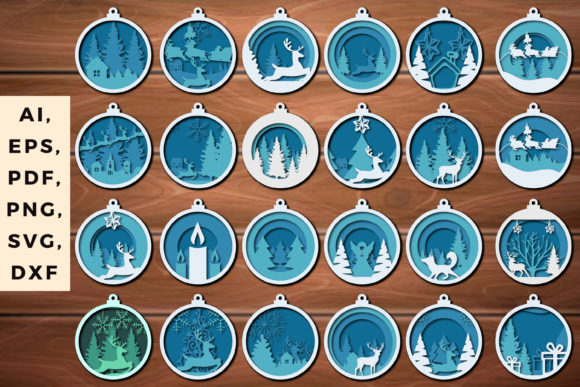
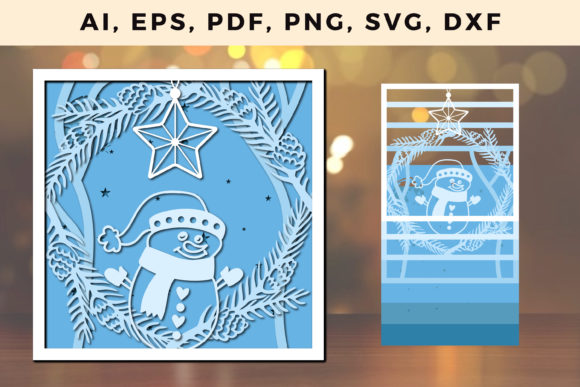
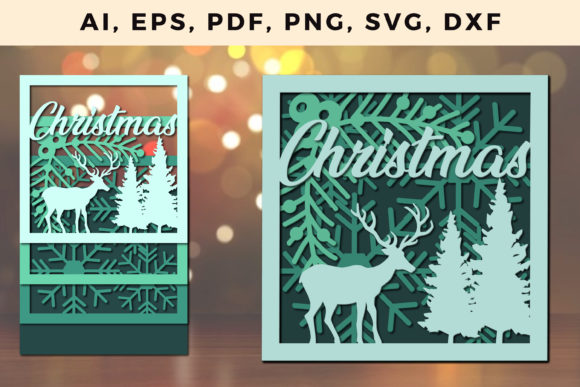
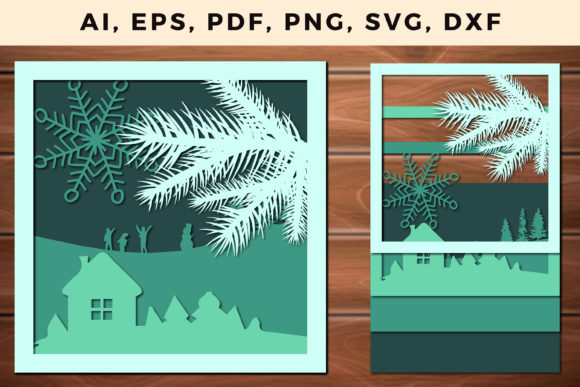
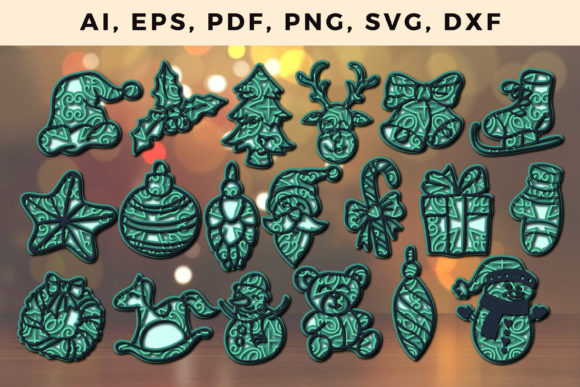
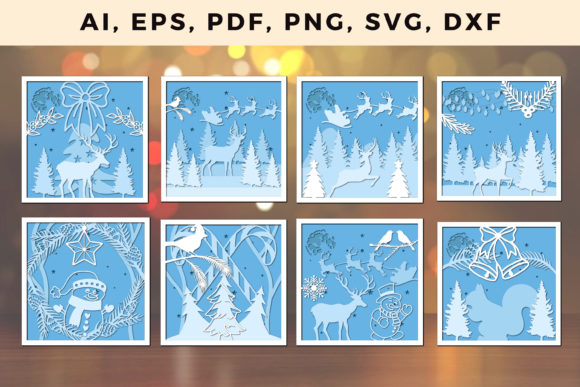
At its core, a 3D Multi Layer Christmas SVG File is a scalable vector graphic designed with separate layers that, when stacked or assembled, create a three-dimensional effect. Unlike a standard flat SVG, which prints or cuts as a single unified shape, this file type includes multiple components that are intended to be arranged in sequence from back to front. Each layer typically represents a different depth plane, such as the background, middle elements like trees or snowflakes, and foreground details like gifts or text.
This layered construction allows you to produce a finished piece that has physical depth, shadow effects, and a sense of dimension that flat designs cannot achieve. The result is a visually rich decoration that catches light and draws the eye, whether you cut the layers from cardstock, basswood, or even acrylic. Because the file is in SVG format, it remains resolution-independent and works seamlessly with most cutting machines, including popular hobbyist tools.
What makes this format particularly distinct is the intentional separation of elements. Each layer is individually nested or grouped, so you can customize colors, materials, and order without affecting the overall structure. This flexibility gives you control over the final look while preserving the intended dimensional illusion.
How It Compares to Other Christmas Craft Formats
To evaluate the 3D Multi Layer Christmas SVG File fairly, it helps to consider it alongside other common formats and approaches you might encounter. One straightforward alternative is the flat SVG design, which is ideal for single-layer projects like vinyl decals, simple cards, or stencils. Flat SVGs are easier to cut and assemble, and they work well when you need a quick result. However, they lack the visual depth and tactile interest that multi-layer files provide. If your goal is to create a centerpiece ornament or a layered shadow box, flat designs will likely feel underwhelming.
Another category is the printable PDF or JPEG pattern, which often includes instructions for layering but relies on you manually cutting each piece with scissors or a craft knife. While these files are more accessible to those without a cutting machine, they require steady hands and significant time. A 3D Multi Layer Christmas SVG File, by contrast, is optimized for machine cutting, which saves time and improves precision, especially for intricate details like tiny snowflake cutouts or delicate lettering.
You might also consider 3D-printed Christmas models, which are designed for filament printers rather than cutting machines. These produce fully volumetric objects but require different equipment and materials. The SVG approach remains lighter, faster to produce, and easier to store if you need to recreate the design multiple times. For crafters who already own a cutting machine, the SVG file offers a natural middle ground between flat prints and fully printed objects.
Strengths and Tradeoffs of the Layered SVG Approach
One clear strength of the 3D Multi Layer Christmas SVG File is its versatility across materials. You can cut layers from glitter cardstock, metallic foil, wood veneer, or even felt, depending on the effect you want. The layered construction also allows you to use different colors and textures for each plane, which can make your final piece feel custom and polished. Because the file is fully editable in most vector software, you can also resize, rotate, or remove layers to better suit your project dimensions or aesthetic preferences.
Another advantage is the visual impact. When properly assembled, these designs create shadows and highlights that shift as the viewer moves, giving the piece a dynamic quality. This makes them especially well-suited for gifts, holiday displays, or photo backdrops where you want something that stands out from mass-produced decorations.
However, there are tradeoffs to consider. Assembling a multi-layer design takes more time and patience than a single-layer cut. Each layer must be aligned accurately, often using small tabs, adhesive foam dots, or a shadow box frame to maintain spacing. If you are working on a tight deadline or crafting with young children, the additional steps might become a frustration rather than a joy. The file itself also requires that you have a cutting machine capable of handling multiple layers and software that can parse grouped SVG elements. Not every beginner-level machine handles complex layering well, so you may need to check compatibility before committing to a design.
Cost is another factor. While the SVG file itself is usually affordable, the materials for multi-layer projects add up. You may need several sheets of cardstock or specialty paper in different colors, as well as adhesive spacers or a deep-shadow box frame. If you are comparing this approach to a single-layer vinyl decal or a simple printable, the multi-layer SVG route will likely be more expensive per finished piece.
When the 3D Multi Layer Christmas SVG File Is the Right Choice
This file type shines in situations where you want to create a gift or decoration that feels substantial and intentional. For example, if you are making a commemorative ornament for a family member, a layered design with their name, the year, and a detailed winter scene can become a keepsake that stands out among simpler ornaments. Similarly, if you are crafting a holiday table centerpiece, a shadow box with multiple layers of trees, stars, and a message creates a focal point that guests notice.
The 3D Multi Layer Christmas SVG File is also a strong choice when you have access to a cutting machine and want to produce several identical pieces, such as for a craft fair or group gift exchange. Once you set up your materials and machine settings, you can cut multiple sets quickly, and the assembly process becomes repeatable. This makes it practical for small-batch production while still maintaining a handcrafted feel.
Another good-fit scenario is when you want to explore different color schemes or material combinations. Because the layers are separate, you can experiment with a traditional red-and-green palette one year, then try a modern silver-and-blue version the next, all from the same file. This adaptability adds long-term value to a single purchase.
When You Might Consider Another Option
Despite its strengths, the 3D Multi Layer Christmas SVG File is not the best fit for every crafter or every project. If you are new to using a cutting machine and still learning how to load materials, calibrate blade depth, or weed intricate cuts, starting with a flat single-layer SVG is often more forgiving. Multi-layer projects multiply the risk of alignment errors or material waste, which can be discouraging when you are still building your skills.
If your primary goal is to create quick, inexpensive decorations for a large gathering, such as a classroom or office party, the layered approach may feel overly labor-intensive. In those cases, a flat SVG for vinyl decals or simple paper cutouts will let you produce more pieces in less time. The same applies if you are crafting with children who have limited fine motor skills; simpler projects keep them engaged without the frustration of aligning multiple layers.
You might also look for a different format if you need a design that works with materials that do not layer well. For instance, if you plan to cut from thick materials like chipboard or acrylic, not all SVG files are optimized for those thicknesses. Some designs assume you are using standard cardstock, and layering thick substrates can throw off the dimensional effect or make assembly difficult. In that case, a single-layer design or a 3D-printed model may serve you better.
Practical Considerations for Choosing and Using These Files
When you evaluate a 3D Multi Layer Christmas SVG File, look for clear visual guides that show how the layers stack and whether any foam spacers or offset cuts are required. A well-made file will include a preview image showing the assembled result, as well as instructions for layer order and suggested material colors. Some designers also provide a test cut file so you can check alignment on scrap material before cutting your final sheets.
Consider the complexity of the design. Some files have three or four layers, which is manageable for most crafters. Others may have six or more, with intricate cutouts that demand meticulous assembly. Be honest about your patience level and the time you have available. A moderately complex design with five layers can easily take an hour or more to assemble, not counting cutting time. If you enjoy the process as part of the craft, that is a feature. If you are looking for a quick win, a simpler design may be more satisfying.
Also think about the final use. If the piece will be displayed in a shadow box frame, you need to confirm that the file dimensions match standard frame sizes or that you can resize without distorting the layers. If the piece will hang as an ornament, check that it includes a hanging mechanism or that you can easily add one without covering important details. These small factors can make the difference between a project you finish proudly and one that sits unfinished in a drawer.
Balancing Creativity with Practical Outcomes
The 3D Multi Layer Christmas SVG File offers a unique blend of digital precision and handmade warmth. It allows you to produce professional-looking decorations that still carry your personal touch in the material choices and assembly. For crafters who enjoy the process of building something dimensional, it is a rewarding format that can elevate your holiday decorating or gift-giving.
At the same time, it is not a universal solution. Understanding its strengths—depth, customization, visual impact—alongside its tradeoffs—assembly time, material cost, skill requirements—helps you decide when to reach for this file type and when to opt for something simpler. By matching the file to your project goals, your equipment, and your available time, you set yourself up for a positive crafting experience and a finished piece you are proud to share.
Whether you are making a single heartfelt gift or a full set of matching decorations, the layered SVG approach gives you a flexible tool that can adapt to your creative vision. Take the time to review file details, consider your materials, and plan your assembly steps. With a thoughtful approach, the dimensional results can become a highlight of your holiday season.