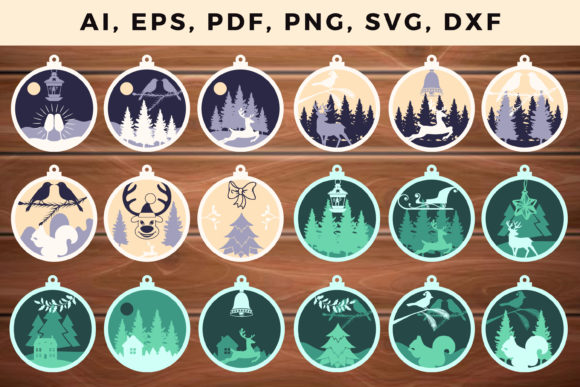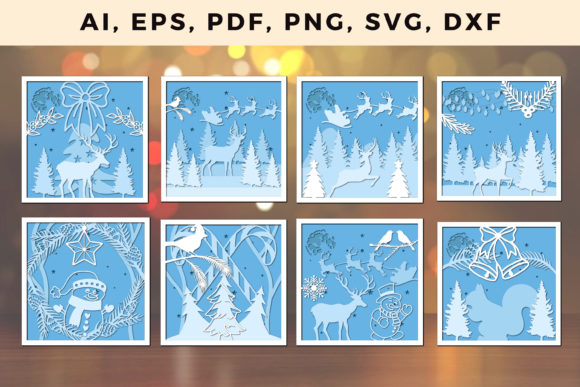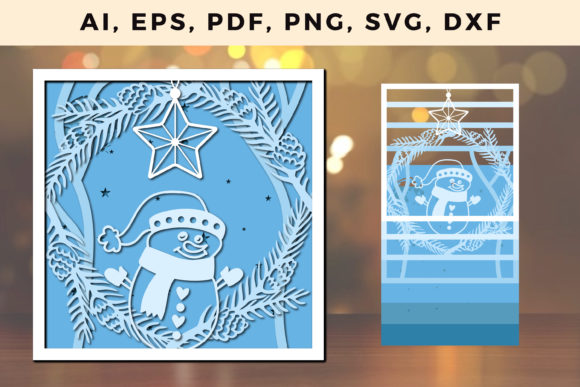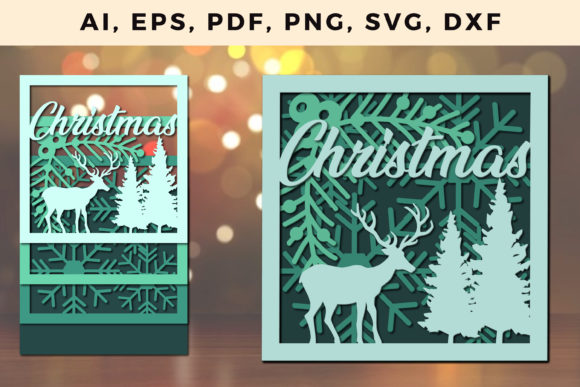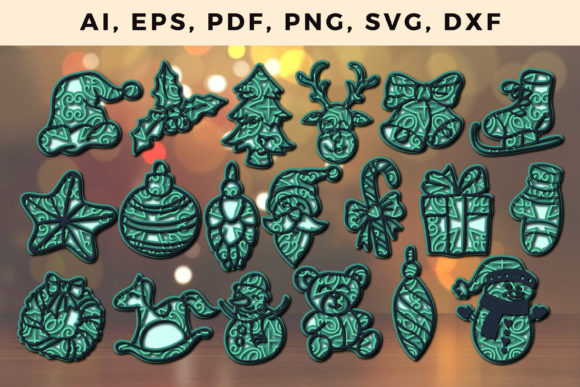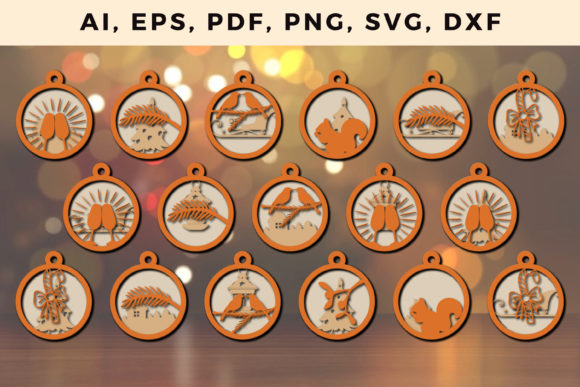
3D Multi Layer Christmas SVG Ornaments
If you have spent any time with design software or a cutting machine, you already know that flat SVGs are reliable workhorses. But the leap from two dimensions to three changes everything. 3D multi layer Christmas SVG ornaments bring depth, shadow, and a crafted feel that a single flat cut simply cannot match. They transform a festive shape into something that catches light, casts shadows, and rewards the eye from every angle. And the best part is that this technique sits at a sweet spot between ambitious design and hands-on making.
At its core, a multi layer SVG ornament is a set of nested cuts that stack on top of each other. Each layer represents a different depth plane, and when assembled, they create an illusion of volume. Think of a snowflake that appears to float inside a clear bauble, or a reindeer whose antlers step back in space. Unlike a papercut silhouette, these ornaments have literal thickness. You can achieve this with cardstock, chipboard, or even lightweight wood veneers, depending on the look you need.
What makes these ornaments interesting is not just the visual result. It is the way they invite participation. Whether you are a designer selling SVG bundles, a hobbyist making gifts, or an educator teaching spatial thinking, the layered approach opens up possibilities that flat designs simply do not offer.
What Makes Multi Layer Ornaments Different
Standard SVG ornaments rely on color, pattern, or intricate cut lines to create visual interest. Multi layer versions add a physical z-axis. Each layer is cut separately and attached using foam dots, glue tabs, or tiny hinges. The result is an object that occupies space differently on a tree, in a window display, or as a centerpiece.
There are practical benefits too. Because each layer can be cut from a different material or color, you can create complex designs without needing a printer. The layers themselves do the work of coloration and shading. A gold layer behind a white snowflake, for instance, creates a warm glow without any ink. Similarly, a dark backing layer can make a light foreground pop against the tree lights.
From a production standpoint, these ornaments are efficient. You cut once, stack, and assemble. No gradient fills, no registration marks, no color matching. Just clean vector cuts that rely on arrangement rather than rendering.
Geometric and Modern
Not every Christmas ornament needs to look like it came from a Victorian print. Multi layer designs lend themselves especially well to geometric motifs. Think concentric stars, faceted diamond shapes, or overlapping hexagons that form a stylised tree. The layers can be cut in monochrome metallics, matte pastels, or high-contrast black and white. This approach appeals to designers who want a contemporary tree or a minimalist gift tag that still feels festive.
Natural and Organic
You can also go the opposite direction. Layer cut paper leaves, pine branches, and berries to build a wreath form that has actual depth. Because each leaf sits on its own plane, the assembly mimics real foliage more closely than a flat print ever could. A single ornament of this kind works beautifully as a gift topper or as a handmade addition to a rustic-themed tree.
Narrative Scenes
This is where the technique really shines. A multi layer ornament can tell a small story. A front layer of trees, a middle layer of a sleigh, and a back layer of a moonlit sky. When viewed straight on, the scene compresses into one image. From the side, it reveals depth and invites closer inspection. These narrative ornaments are popular in small retail packaging, as they create an unboxing experience without adding much cost. They also work exceptionally well in educational settings where you want to explain foreground, midground, and background in a tangible way.
Who Benefits from This Approach
The audience for 3D multi layer Christmas SVG ornaments is broader than you might assume. Here is how different roles can adapt the technique.
Designers and Illustrators
If you sell SVG cut files, adding a multi layer ornament section to your shop expands your catalog without requiring new illustration skills. You can repurpose existing flat designs by separating elements into depth layers. A single Santa illustration becomes four separate cuts, each sold as a bundle. The perceived value increases because customers see the dimensional result as more premium.
Small Business Owners and Marketers
Ornaments make excellent promotional giveaways, especially when they are branded with a subtle logo on the backing layer. Local shops and makers can produce small batches using a desktop cutter and sell them at holiday markets. Because the materials are inexpensive, the margin can be healthy. A set of three layered ornaments in branded colors often sells for far more than the cost of cardstock and assembly time.
Educators and Workshop Leaders
Teaching a class on spatial design or paper engineering? Multi layer ornaments are a low-risk, high-reward project. Students learn about layer order, alignment, and material selection without needing complex tools. The lesson can be delivered in a single session, and each participant walks away with a tangible object. That is rare in digital design education, and it keeps students engaged.
Hobbyists and Crafters
For the home crafter, these ornaments solve a common problem: how to make gifts that look impressive without requiring hours of manual cutting. Once the SVG files are prepared or purchased, the process becomes methodical and relaxing. Many crafters find the assembly stage meditative. It is a satisfying way to spend an evening, and the results are giftable in a way that printed items often are not.
Practical Guidance for Clear and Effective Results
Getting clean results with multi layer SVG ornaments comes down to a few repeatable principles. First, plan the layer order before you cut. The deepest layer should be the largest, providing a stable base. Subsequent layers can shrink slightly or include cutouts that let lower layers show through. A gap of one to three millimetres between layers is usually enough to create visible depth without making the ornament feel fragile.
Second, consider material thickness. Standard 65 lb cardstock works well for most designs, but if you use thicker chipboard, you may need to adjust the distance between layers. Test cuts on scrap material before committing to your final sheets. It takes five minutes and saves frustration.
Third, think about attachment. Double-sided foam tape is the most common method because it adds instant depth and holds firmly. For smaller ornaments, glue dots work. For layered pieces that will hang, ensure the attachment points are near the center of each layer to prevent drooping over time.
Fourth, keep your SVG files organized. Name each layer by its depth position: Layer_01_Base, Layer_02_Mid, Layer_03_Top. This makes reassembly simple if you cut multiple ornaments at once. It also helps if you share files with others, who will appreciate the clarity.
Adapting Ornaments for Different Platforms and Formats
These ornaments are not limited to physical cutting. The same layered SVG files can be used for digital mockups, social media graphics, or even short animations. A designer could render the layers with slight offsets in a 2.5D style for an Instagram post, then cut the same files on a Cricut or Silhouette machine later. This dual use adds value to the original file and makes it easier to market to a mixed audience.
For bloggers and content creators, a set of layered ornaments makes a strong visual centerpiece for a tutorial or a gift guide. Photographing the assembly process step by step yields content that performs well on Pinterest and YouTube. The sequential nature of layering naturally fits a how-to format, and viewers appreciate seeing the transformation from flat sheets to dimensional objects.
Publishers and small press operators can use these ornaments as inserts in holiday-themed printed materials. A card with a removable layered ornament inside feels like a gift rather than a piece of mail. The production cost is slightly higher than a standard card, but the perceived value and shareability are significantly greater.
Keeping the Work Original and Audience-Friendly
As with any popular craft technique, there is a risk of producing work that looks like everyone else's. The way to stay original is to focus on your specific audience. A layered ornament designed for a children's hospital might use bright, bold layers with large gaps for safety. An ornament aimed at a corporate client might use restrained colors and a clean silhouette. The technique stays the same, but the choices you make about shape, size, and material define the result.
Consistency matters too. If you are selling or giving away multiple designs, keep your layer count and material recommendations similar across all files. This helps customers know what to expect and reduces support questions. A small style guide included as a PDF with your SVG files can go a long way. Mention recommended paper weights, adhesive types, and assembly order.
Finally, test your files on different machines if possible. What looks great on a high-end laser cutter may need adjustments for a desktop drag knife cutter. Providing notes about blade settings and material compatibility makes your work more accessible and builds trust with your audience.
3D multi layer Christmas SVG ornaments offer a rare combination of visual impact and practical simplicity. They reward the maker during assembly and the viewer during display. Whether you are creating for yourself, your students, your customers, or your readers, the layered approach gives you a reliable way to add depth, warmth, and a handmade feel to the holiday season.