G Negative Space Logo: The Art of Designing What Isn't There
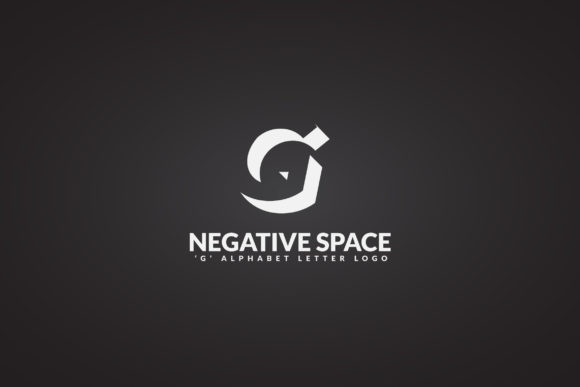
You have probably seen a G negative space logo before without even realizing it. That moment when your brain suddenly fills in the missing piece of a letter and you smile at the cleverness of it all. That is the quiet power of negative space design. It is not about what you draw. It is about what you leave out. And when the letter G is the anchor, the results can be surprisingly memorable.
For anyone working on branding, whether you are a startup founder sketching ideas on a napkin or a marketing manager refreshing a tired visual identity, the G negative space logo offers something rare: simplicity that rewards a second look. Let us explore where this design approach truly shines, who benefits most, and what you should think about before committing to one.
Where a G Negative Space Logo Fits Naturally
Not every brand needs this kind of logo. But certain situations make it a natural choice. Think about businesses or organizations that already have a strong visual or conceptual association with the letter G. A logistics company named "Global Reach," a coffee roaster called "Grounds," or a creative agency named "Gather" all share that initial letter. In each case, a G negative space logo can communicate the brand name while also hinting at what the business actually does.
Consider a travel company. The negative space inside the G could become a globe, a mountain silhouette, or even a winding road. The letter itself stays recognizable, but the empty space tells a second story. That is where the magic happens. The viewer registers the brand name and gets a visual cue about the service in a single glance.
Tech startups also gravitate toward this approach. A G negative space logo feels modern without being cold. It suggests intelligence and efficiency because the design does not waste any visual weight. For a SaaS platform or an app developer, that kind of economical design language aligns perfectly with how they want to be perceived: clean, smart, and purposeful.
Different Industries, Different Interpretations
The beauty of a G negative space logo is how adaptable it is across industries. Let me give you a few real examples.
- Food and beverage. A brewery called "Golden Hops" could hide a hop cone inside the G. A bakery named "Grain & Oven" might embed a wheat stalk. The negative space adds a layer of meaning that feels organic, not forced.
- Health and wellness. A yoga studio or fitness brand called "Ground" could use the negative space to suggest a human posture or a leaf. The openness of the design evokes calm and balance.
- Education. Schools or learning platforms starting with G can hide books, graduation caps, or even a tree inside the letter. It signals growth and knowledge without needing extra icons.
- Creative agencies. This is perhaps the most natural fit. Design studios named "Giraffe" or "Grid" often use negative space to show off their own creativity. It is a calling card that says, "We think differently."
Every industry brings its own set of symbols. The G simply becomes the container for that symbol. That is why this logo style never feels generic. It takes on the personality of whatever you place inside the empty space.
How Different People Benefit from a G Negative Space Logo
Your role influences how you experience and evaluate this kind of logo. Let me walk through a few perspectives.
Founders and entrepreneurs often have limited budgets and need a logo that works hard. A G negative space logo can be surprisingly cost-effective because it combines two visual elements into one. You do not need a separate icon and a wordmark. The G is both. That means less complexity in applications like social media avatars, favicons, and business cards. It also means faster brand recognition. When your logo fits inside a tiny square on a phone screen, every pixel matters.
Creative directors and designers appreciate the challenge. Designing a G negative space logo requires restraint. You cannot just add elements. You have to carve them out. The process forces you to consider what is essential. Many designers find that this constraint actually unlocks more inventive solutions. It is the kind of project that looks easy when done well, but is difficult to execute without a keen eye for proportion and readability.
Marketing professionals value the storytelling angle. In a world where consumers are bombarded with visual noise, a logo that reveals itself slowly can create a moment of delight. That feeling of discovery is powerful. It encourages people to look closer and remember what they found. A G negative space logo becomes a conversation starter. It also performs well in black and white, which matters for print materials, merchandise, and one-color applications.
Practical Observations from Real Projects
I have seen brands attempt this style and succeed, and I have seen others struggle. The difference often comes down to one thing: the G must remain readable first. If the negative space shape is so dominant that the letter disappears, the logo fails at its primary job. People should immediately recognize the letter G before they notice the hidden detail. The reveal should feel like a bonus, not a puzzle.
Another observation is about scalability. A G negative space logo with very thin gaps or intricate internal shapes can look great on a large screen but turn into a blob when reduced to a small badge. Always test your design at actual sizes. A favicon, a mobile app icon, and a social media profile picture are brutal tests. If the logo works there, it will work everywhere.
Common Considerations Before Choosing a G Negative Space Logo
Let me walk you through a few practical things to think about before you commit to this direction.
Does the negative space match your brand character?
If your brand is bold, loud, and playful, a subtle negative space logo might feel too restrained. The G negative space style often leans toward minimalist and refined. That is not a weakness, but it is a personality trait. Make sure it aligns with the tone you want to project. A children's toy brand might find it too quiet, while a financial consultancy might find it perfectly appropriate.
How will it work in motion?
Video and animated logos are increasingly common. A G negative space logo can come to life beautifully in animation, with the hidden shape slowly appearing or rotating into view. But if you never plan to use motion, the static version still needs to stand on its own. Consider both scenarios.
What about international audiences?
If your brand operates globally, consider cultural associations with the letter G and with specific symbols. A shape that works in one region might mean something different elsewhere. Also, check that the negative space shape does not accidentally resemble a symbol that could be confusing or offensive in another market.
Custom vs. templated approaches
There are plenty of pre-made templates for G negative space logos online. They can be a good starting point if you are testing ideas or working on a very tight budget. But a custom design will always feel more unique and better aligned with your specific message. If you have the resources, invest in an original design. The difference is noticeable.
Strengths and Limitations Worth Acknowledging
Let me be direct about what this style does well and where it can struggle.
Strengths: Simplicity is the biggest asset. A G negative space logo is often more memorable than a generic icon plus text combination because it feels intentional. It also saves visual clutter. In environments where minimalism is valued, like modern websites, app interfaces, and premium packaging, this logo style fits right in. It also ages well. Trends come and go, but clever negative space design has a timeless quality.
Potential limitations: The biggest risk is overcomplication. If the hidden shape is too obscure, the logo becomes a riddle. Viewers should not need a manual. Another limitation is that some shapes simply do not fit naturally into the negative space of a G. You cannot force it. If the association feels stretched, the logo will feel forced. Also, consider that very small text or fine details inside the G may not reproduce well in embroidery, embossing, or low-resolution digital formats.
There is also a brand awareness consideration. If your brand is entirely new and the name is not well known, relying on the letter G alone might not be enough to lodge the brand in someone's memory. In that case, pairing the G negative space logo with a clear tagline or a distinctive color palette becomes more important.
Wrapping Up the Practical Side
When you step back and look at the broader landscape of logo design, the G negative space logo stands out because it asks something of the viewer. It invites them to participate. That small moment of recognition can create a surprisingly strong brand attachment. But it has to be earned. The design has to be precise. The hidden shape has to be meaningful. The G itself has to be unmistakable.
If you are considering this for your own brand or a client, start by sketching every possible way the negative space could be used. Try a dozen different internal shapes. Push yourself beyond the obvious. Then step away. Come back the next day and see which one still feels right. That is usually the one worth pursuing.
In the end, a great G negative space logo does not just represent a name. It represents a way of thinking. It says that you value clarity, creativity, and economy of expression. And in a noisy world, that is a message worth sending.