The Art and Strategy of the D Negative Space Logo
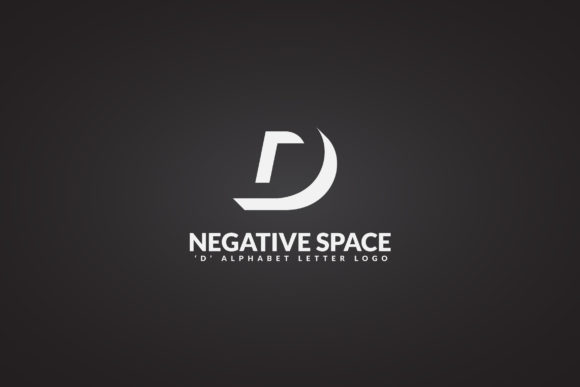
When a designer chooses to work with negative space, they are engaging in a form of visual economy. Nothing is added for decoration. Every millimeter of white space becomes part of the message. The D Negative Space Logo is a particularly interesting case because the letter D itself contains a natural enclosed area. This counter, the space inside the bowl of the D, offers an immediate opportunity for hidden meaning. Unlike letters such as I or T, the D provides a contained canvas within its own form. This makes it a favorite among logo designers who want to communicate complexity through simplicity.
Why the Letter D Lends Itself to Hidden Imagery
The structure of the capital D is defined by a strong vertical stem and a curved bowl that creates an enclosed negative space. This counter shape is not just empty area. It is a frame. Designers can place a secondary icon, a symbol, or a conceptual shape inside this space without disrupting the readability of the letter. The result is a logo that works on two levels. At first glance, the viewer sees the letter D. With a second look, they discover the hidden element. This creates a moment of delight and makes the logo memorable.
Consider how the shape of the bowl varies across typefaces. A wide, rounded D offers a larger canvas for hidden imagery. A condensed or narrow D forces the designer to work with a tighter space, often leading to more abstract solutions. The D Negative Space Logo can take advantage of this variability. A serif D, with its bracketed transitions, might suggest tradition and stability, while a sans-serif D feels modern and clean. The negative space inside each version demands a different approach to hidden imagery.
The Psychology of Discovery in Logo Design
People enjoy finding things. When a viewer spots the hidden shape inside a D, their brain releases a small reward signal. This psychological mechanism makes negative space logos highly effective for brand recall. The D Negative Space Logo works because it requires participation. The viewer is not just seeing a logo. They are solving a tiny visual puzzle. Brands that use this technique often benefit from increased engagement. The logo becomes a topic of conversation. People point it out to others. That organic sharing is valuable in a crowded marketplace.
Research in visual perception shows that the human brain prefers simple, complete shapes. However, it also seeks closure. When part of a shape is missing or implied, the brain works to complete it. A well-designed negative space logo exploits this tendency. The D provides the container, and the missing or implied shape completes the message. This interplay between figure and ground is central to gestalt psychology. Designers who master this can create logos that feel both minimal and rich with meaning.
Real-World Applications of the D Negative Space Concept
Businesses across many industries have used the D form to express their identity. A logistics company might use the negative space inside the D to show an arrow or a delivery route. A music studio could place a musical note or a sound wave inside the bowl. A technology firm might embed a circuit path or a data node. The versatility of the D shape allows it to adapt to almost any sector. The key is relevance. The hidden image must connect to the brand's core offering. If the shape inside the D feels arbitrary, the logo loses its power.
One common application is in the food and beverage industry. A coffee roaster might show a coffee bean inside the D. A bakery could hide a croissant or a wheat stalk. The D Negative Space Logo allows these brands to communicate their product instantly without using a separate icon. This reduces visual clutter on packaging, menus, and signage. The letter itself becomes the icon. For small businesses, this approach can save on design complexity while still delivering a professional and thoughtful image.
Educational and Nonprofit Use Cases
Schools, universities, and nonprofit organizations often need logos that convey trust and purpose. A D with a hidden book, a graduation cap, or a helping hand can communicate the organization's mission without relying on text-heavy descriptions. Educational institutions benefit from the intellectual appeal of negative space. It signals that the institution values depth, thoughtfulness, and creativity. Parents and students who notice the hidden element may perceive the school as innovative and detail-oriented. This perception can influence enrollment decisions.
Nonprofits focused on environmental causes can use the D to show leaves, water drops, or animal shapes. The hidden image reinforces their mission while keeping the visual identity clean and professional. The D Negative Space Logo also works well in black and white, which is important for organizations with limited printing budgets. A logo that functions without color reduces costs and ensures consistency across all materials. This practical advantage matters for organizations that operate on tight budgets.
Technical Considerations for Designing a D Negative Space Logo
Not every D shape is suitable for negative space design. The thickness of the letterform, the size of the counter, and the overall proportion all affect how well the hidden image reads. A D that is too thin may not have enough interior space for a recognizable shape. A D that is too thick might feel heavy and dominate the composition. Designers often start by sketching the D in a range of weights to find the balance between letter recognition and interior space.
Another consideration is the relationship between the positive and negative areas. The hidden shape should not feel forced. It should appear to be a natural part of the letter's construction. For example, if the hidden shape is a bird, the curve of the D's bowl might form the bird's back or wing. If the hidden shape is a tree, the vertical stem of the D could double as the trunk. The D Negative Space Logo works best when the viewer cannot easily separate the letter from the image. They exist as a single unified form.
Color and Contrast in Execution
Negative space logos rely on contrast. The most common approach is a solid D with a cutout shape in a contrasting color or transparent background. However, designers can also invert the relationship. The D itself can be the negative space, with the surrounding area forming the shape. This is less common but can produce striking results. The choice depends on the brand's overall visual language. A tech startup might prefer a dark background with a white D and a colorful hidden element. A luxury brand might stick to monochrome to communicate sophistication.
Testing is essential. A negative space logo that looks perfect on a computer screen may fail when printed small on a business card or displayed as a tiny app icon. The hidden shape must remain recognizable at all sizes. Designers should test their logos at 16 pixels, 50 pixels, and 200 pixels. If the hidden element disappears at small sizes, the logo loses its secondary meaning. The D Negative Space Logo should work as a simple letter mark even if the hidden detail is not visible. The hidden element is a bonus, not a requirement for recognition.
Brand Identity and Long-Term Value
A negative space logo often ages better than trend-driven designs. Because the concept is rooted in a visual puzzle rather than a specific aesthetic, it resists becoming dated. The D shape is timeless. The hidden image, if chosen carefully, remains relevant as long as the brand's mission stays the same. Brands that update their logos every few years may find that a negative space approach provides consistency. The logo becomes a fixture in the brand's visual system rather than something that needs constant revision.
From a branding perspective, the D Negative Space Logo also offers narrative potential. When the brand shares the story behind the hidden shape, customers connect more deeply with the identity. A logo that simply looks good is enjoyable. A logo that has a story is memorable. Brands can use this story in their marketing materials, on their website, and in social media content. The logo becomes a conversation starter rather than just a visual identifier. This narrative quality adds depth to the brand personality.
Audience Perception and Trust
Professionals and consumers both respond positively to well-executed negative space design. There is an implied intelligence in the approach. The brand did not settle for an obvious solution. They invested in a design that requires thought. This can elevate the brand in the eyes of discerning customers. For B2B companies, this perception of sophistication can be a differentiator. In industries where many competitors use generic letter marks, a clever D Negative Space Logo stands out without being gaudy.
Creators and hobbyists also appreciate this technique because it respects the viewer's intelligence. It does not shout for attention. It invites discovery. This quiet confidence is appealing in an era of loud, saturated advertising. A negative space logo feels honest. It does not pretend to be something it is not. The letter D is clearly a D. The hidden image is clearly an image. The two coexist without deception. This transparency builds trust over time.
Workflow Approaches for Developing the Concept
Designers typically begin with research and brainstorming. They list possible images that relate to the brand's name, mission, or values. For a company called Delta something, the hidden image might be a triangle or an arrow. For a brand named Drift, the hidden shape could be a wave or a wind line. The brainstorming phase is about quantity. No idea is dismissed too early. After generating a list of concepts, the designer sketches the D shape and experiments with placing each concept inside the counter. Most concepts will be rejected. Only a few will feel inevitable.
Digital refinement follows the sketching phase. Vector software allows precise adjustments to the curve of the D and the shape of the hidden element. The designer may tweak the thickness of the stroke, the angle of the curve, and the position of the hidden image. The goal is to reach a point where removing the hidden element would break the D shape, and removing the D would leave the hidden element incomplete. This interdependence is the hallmark of a successful negative space logo. The D Negative Space Logo is not two things combined. It is one thing that reads in two ways.
Feedback and Iteration
Getting feedback from a diverse audience is important. What seems obvious to the designer may be invisible to others. Show the logo to people who have no context about the brand. If they cannot find the hidden shape, the design needs revision. If they see it immediately, the logo is working. The best negative space logos are those that different viewers discover at different times. Some people will see the D first. Others will see the hidden image first. Both experiences are valid. The logo should function equally well from either starting point.
Iteration often involves small adjustments. Moving the hidden image by a single pixel can change the relationship between positive and negative space. Designers should not rush this phase. The difference between a good negative space logo and a great one is often subtle. The D Negative Space Logo requires patience. Rushing to a finished design may result in a logo that works technically but lacks the elegant surprise that makes negative space memorable.
Observing Trends in Minimalist Branding
The current trend toward minimalism in branding has increased interest in negative space logos. Brands are shedding complexity and focusing on core forms. The D negative space logo fits this movement perfectly. It offers complexity within simplicity. The hidden image provides richness without adding elements. This aligns with the broader shift toward clear, direct communication in visual identity. Consumers today are bombarded with visual noise. A clean logo that rewards careful attention is a welcome relief.
However, trends shift. The D Negative Space Logo is not immune to changes in taste. Some designers worry that negative space logos have become too common. The key is execution. A generic negative space logo is forgettable. A truly original one is timeless. The difference lies in the connection between the letter and the hidden image. If the connection is strong and intuitive, the logo will survive trends. If the connection is forced or arbitrary, the logo will feel dated as soon as the trend fades.
For creators and educators, the D negative space concept also serves as a teaching tool. It demonstrates core principles of design: figure-ground relationship, visual hierarchy, and economy of form. Students who work through the process of fitting a hidden image inside a D learn valuable lessons about constraint and creativity. They discover that limitations can spark innovation. This makes the D negative space logo not just a commercial asset but also a meaningful exercise in design thinking.