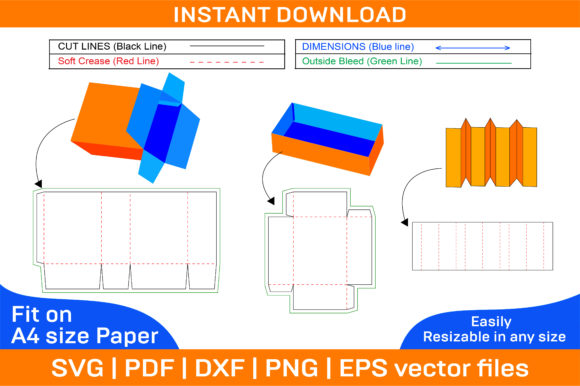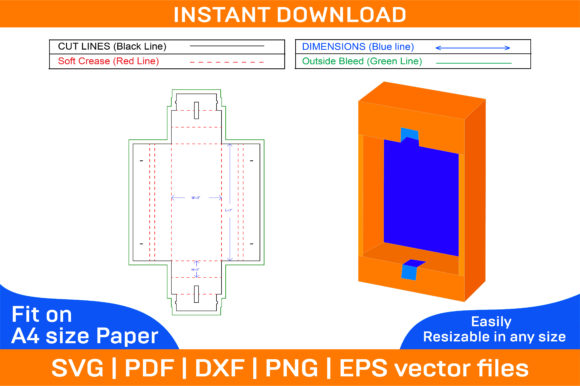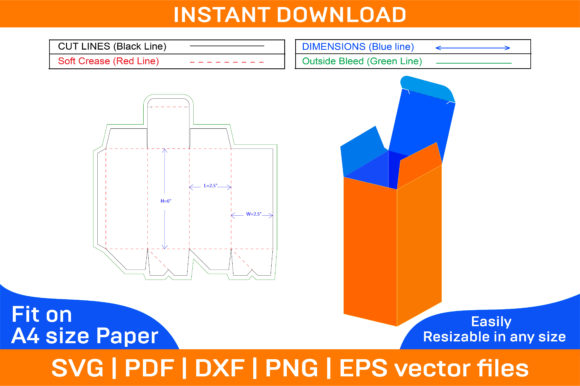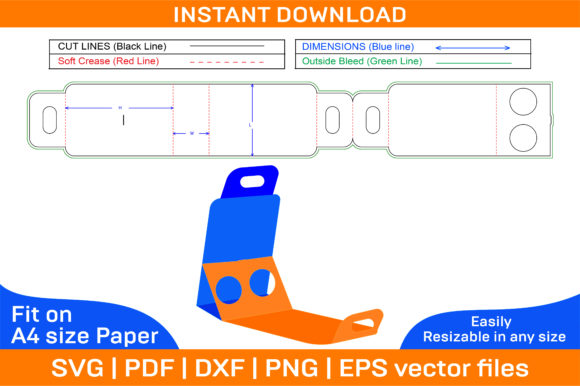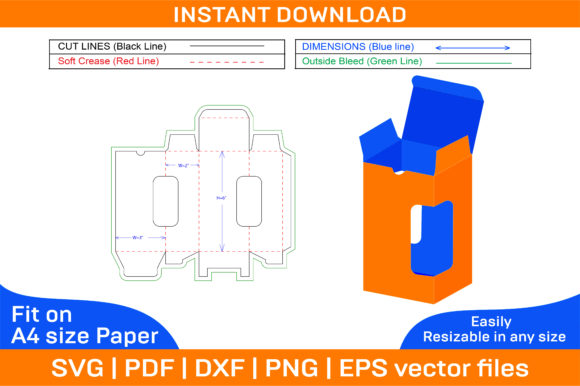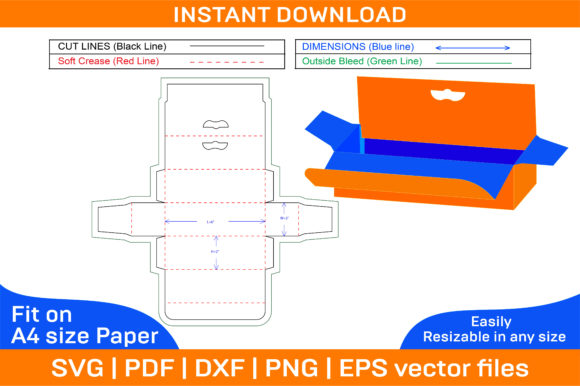
Lip Balm Box Dieline Template & 3D Box
A lip balm box might seem like a simple container, but its design can make or break a product. Whether you're launching a small batch of handmade balms or scaling up a brand, the structural blueprint matters. That's where a lip balm box dieline template and 3D box mockup come into play. These tools give you a precise, scalable, and visually accurate way to design packaging before committing to print. Instead of guessing dimensions or hoping your artwork aligns, you work from a tested layout that folds into the real thing. And when you pair that with a 3D box render, you get a lifelike preview of how your final piece will look under light, on a shelf, or in someone's hand.
Understanding the Dieline and 3D Box Relationship
A dieline is essentially the cutting and folding blueprint for your packaging. For a lip balm box, this includes the front panel, back panel, side flaps, glue tabs, and any inserts. The dieline template gives you exact measurements and fold lines so your artwork aligns perfectly. The 3D box, on the other hand, is a digital render that simulates the finished package. It shows you how the printed design behaves in three dimensions, including shadows, reflections, and the way the box opens. Together, they let you catch alignment issues, color shifts, or structural problems before you spend a cent on production.
Why Both Matter for Your Workflow
If you're a designer or small business owner, you've likely experienced the frustration of a template that doesn't match the final print. A dieline solves that by providing a standard layout you can trust. The 3D box then extends that trust by showing you the end result in a realistic environment. You can adjust typography, resize logos, or test different finishes like matte or gloss without reprinting. This two-step approach saves time, reduces waste, and gives you confidence when presenting to clients or backers.
Creative Possibilities with a Dieline Template
A lip balm box dieline template and 3D box are not just technical tools. They open up a range of creative possibilities that many designers overlook. Because the template standardizes the structure, you can focus your energy on what makes your brand unique: color, texture, illustration, typography, and unboxing experience.
Customising the Unboxing Experience
The size of a lip balm box is small, which means every millimeter counts. You can use the dieline to plan a tight fit with an insert that holds the balm securely. Add a small cutout window to show the product color. Or design a flap that reveals a QR code linking to a video tutorial or ingredient story. The 3D box lets you check that these elements look and function as intended. For example, you can simulate how the window frames the balm tube or how the QR code sits in relation to the fold.
Pattern and Texture Play
Because the box is small, bold patterns and textures can have a big impact. Use the dieline to map a repeating pattern across all panels so it flows seamlessly when folded. You might choose a botanical motif for an organic balm or a geometric pattern for a modern, minimalist brand. The 3D mockup helps you judge whether the pattern feels balanced or overwhelming once wrapped around the box. If the pattern looks too busy, you can scale it down or switch to a partial design that highlights a specific panel.
Typography and Hierarchy
Lip balm boxes have limited real estate, so typography needs to be concise and legible. Use the dieline to plan where your brand name, flavor, key ingredients, and net weight appear. The front panel should carry the name and a visual cue, while side panels can hold ingredient lists and usage instructions. The 3D box preview lets you read your text at scale and check that nothing gets lost in the fold or cut off at the edge. This is especially useful if you're using a decorative font that might become hard to read at small sizes.
Adapting the Template for Different Audiences
Not every lip balm brand targets the same buyer. A dieline template and 3D box can be adapted to suit different audiences by changing the visual language, material choice, and structural details.
For Craft and Artisan Brands
If you sell handmade balms at local markets or online, your packaging should feel personal and authentic. Consider using a kraft or recycled material aesthetic. The dieline can include a small area for a handwritten batch number or a stamp. The 3D box helps you visualize how a natural brown paper finish interacts with a simple black ink logo. You might also add a belly band or a tiny string tie, and the 3D render can show how those elements sit on the final box.
For Premium Skincare Labels
Premium brands often use rigid boxes with soft-touch lamination or foil stamping. The dieline template can accommodate a thicker board and a separate insert. The 3D box is especially valuable here because it can simulate metallic finishes, spot UV gloss, or embossing. You can test how light hits a gold foil logo or how a matte finish feels in the render. This level of detail helps you justify material costs to stakeholders and ensures the final product matches the luxury promise.
For Eco-Conscious Lines
Sustainability is a growing priority. With a dieline, you can design a box that uses minimal material while still protecting the product. For example, you might eliminate the glue tab and use a tuck-and-lock closure. Or you could design the box to double as a display stand. The 3D box lets you evaluate how the structure holds up without adhesive. You can also test how a vegetable-based ink or a minimalist monochrome design looks on recycled board.
Practical Tips for Keeping Your Design Clear and Effective
Working with a lip balm box dieline template and 3D box is straightforward, but a few practical habits will help you avoid common pitfalls.
Check Your Bleed and Safety Margins
Every dieline includes a bleed area, usually 3mm to 5mm beyond the cut line. Make sure your background colors or images extend into this area so there are no white edges after trimming. The safety margin, usually 3mm inside the cut line, keeps important text and logos away from the cut. Use the 3D box to zoom in on these areas and confirm nothing important gets lost.
Align Your Graphics with Fold Lines
If your design includes a pattern or a horizontal stripe, align it with the fold lines so it matches from panel to panel. The 3D box is excellent for catching misalignment because you can rotate the model and see the seam. Adjust your artwork in small increments until the flow looks natural.
Test Different Color Profiles
Colors on screen often look different in print. Use the 3D box to simulate how your chosen CMYK or Pantone colors will appear on the specific board you plan to use. If you're using a coated board, colors may appear brighter, while uncoated board may dull them. Adjust saturation or contrast accordingly before sending the file to print.
Realistic Examples and Project Ideas
To make these concepts concrete, here are a few project ideas that use a lip balm box dieline template and 3D box in different ways.
- Seasonal Limited Editions: Design a winter peppermint balm with a dark blue box and silver foil snowflakes. Use the dieline to map the foil area and the 3D box to test how the metallic finish catches light. Produce a small batch and reuse the template next season with different colors and motifs.
- Gift Set Coordination: If you sell multiple flavors, design a set of boxes that share a consistent layout but vary in accent color. The dieline stays the same, so you only need to swap artwork. The 3D box helps you present the complete set to retailers or on social media before manufacturing.
- Subscription Box Insert: Create a lip balm box that fits neatly into a subscription box. Use the dieline to ensure the dimensions align with common mailer sizes. The 3D box allows you to simulate the box inside a larger container and check for fit and visibility.
- Collaboration with an Illustrator: Commission a custom illustration and use the dieline to wrap it around the entire box. The 3D box lets you see how the artwork flows from front to back and whether any important details land on a fold or a glue tab.
- Zero-Waste Packaging: Design a box that uses no plastic, no glue, and minimal material. Use the dieline to plan a clever lock-tab closure and a small slit that holds the balm in place. The 3D box helps you test the structural integrity before prototyping.
How to Keep Your Results Consistent and Original
Consistency is key when you produce multiple versions of the same product. A standard dieline template ensures every box in your lineup follows the same structure. This makes restocking, reordering, and scaling much easier. Originality comes from how you use that structure. Instead of cluttering every panel with information, leave some negative space. Let a single strong visual element do the heavy lifting. Use the 3D box to evaluate the balance between information and white space. If the box feels crowded, trim the copy or increase font size for readability.
When you present your design to clients or collaborators, the 3D box is your best pitch tool. It shows professionalism and attention to detail. It also reduces back-and-forth because stakeholders can see exactly what they're approving. Keep your dieline file organized with clearly labelled layers for artwork, fold lines, cut lines, and notes. This makes future edits faster and reduces the risk of mistakes.
Adapting Across Platforms and Formats
A lip balm box dieline template and 3D box are not limited to print production. You can repurpose the 3D render for social media, e-commerce listings, and marketing materials. A realistic 3D image of your box can appear on your website, in an Instagram carousel, or in a product mockup for a crowdfunding campaign. It also works well for lookbooks, catalogs, and pitch decks. The same dieline can be used for different product variants by swapping the artwork file. This modular approach saves time and keeps your brand consistent across every flavor or line extension.
If you share your design process with an audience, the dieline and 3D box make compelling content. You can create a time-lapse of the design from flat template to rendered box, or a tutorial on how to set up artwork for small packaging. This kind of behind-the-scenes content resonates with creators, hobbyists, and entrepreneurs who value practical knowledge.
Final Practical Guidance
Start with a reliable dieline template that matches your exact box dimensions. Double-check the size against your lip balm tube or jar. Make sure there's enough space for the product to sit securely without rattling. Build your artwork in layers so you can easily edit text or images later. Use the 3D box as a check at every major design milestone, not just at the end. This catches issues early and keeps your workflow efficient.
When you're ready to print, request a physical proof if possible. Digital renders are incredibly accurate, but a physical sample still gives you the final test for color, texture, and fit. Use the dieline as your spec sheet for the printer and keep a digital copy for future runs.
A lip balm box dieline template and 3D box are more than production tools. They are creative enablers that let you experiment confidently, present professionally, and produce consistently. Whether you are a solo maker or a growing brand, these resources give you control over your packaging from concept to completion. Use them to express your vision without wasting time or materials, and you will have packaging that not only protects your product but also tells your story clearly.