Understanding the Vape Juice Packaging Box Dieline: A Practical Guide for Designers and Brands
When you pick up a bottle of vape juice from a shop shelf, the first thing you notice is not the liquid itself—it is the box that holds it. That box, with its precise folds, snug fit, and clean print, begins its life as a flat, two-dimensional drawing called a dieline. A vape juice packaging box dieline is the technical blueprint that determines how a flat sheet of cardboard or paperboard transforms into a functional, attractive container. Whether you are a graphic designer creating packaging artwork, a brand owner launching a new e-liquid line, or a manufacturer looking to optimize production, understanding dielines is essential. This article walks through what a dieline is, why it matters, and how to use it effectively in real-world packaging projects.
What Exactly Is a Vape Juice Packaging Box Dieline?
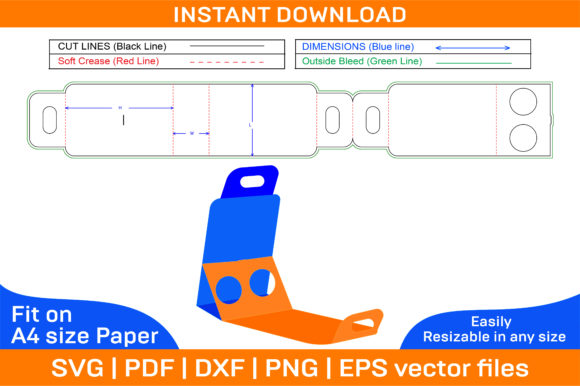
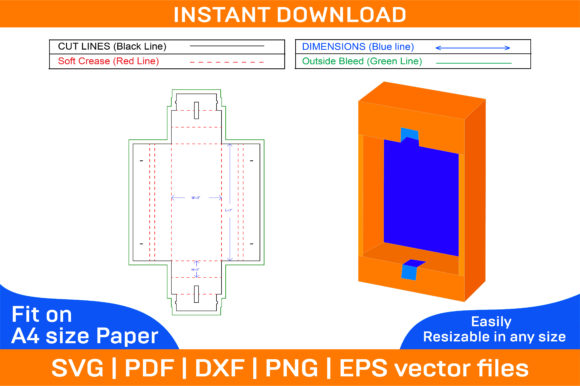
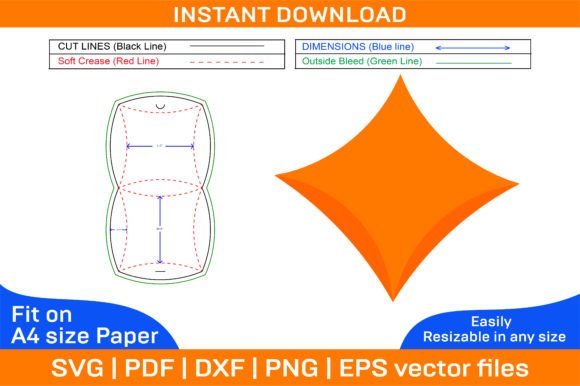
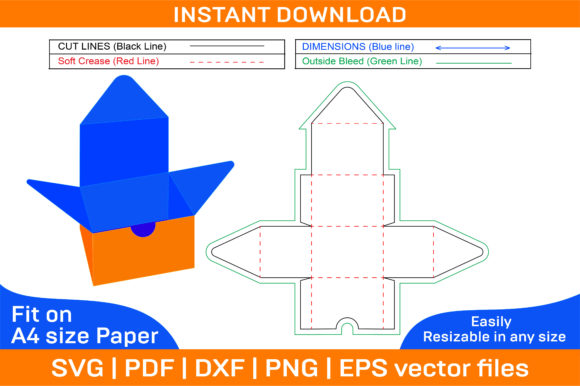
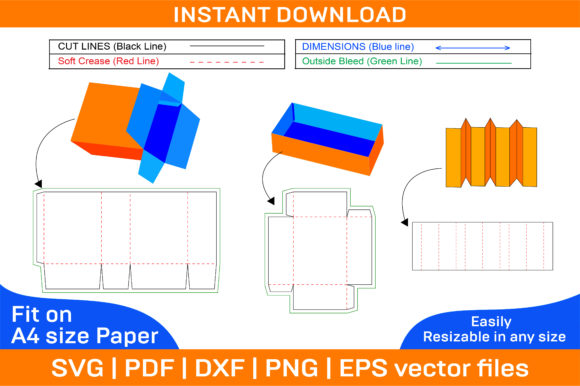
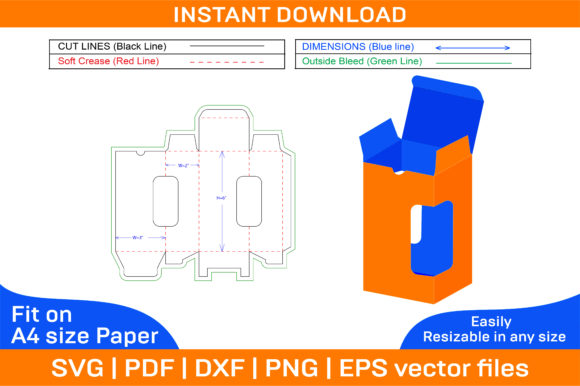
A dieline is a template—a precise set of lines and shapes drawn to scale that shows where a package will be cut, creased, folded, and glued. For vape juice bottles, the dieline accounts for the bottle's height, width, depth, and any special features like a window, a hanger tab, or a tamper-evident seal. The dieline includes cut lines (solid lines), crease or fold lines (usually dashed or dotted), and glue areas marked clearly so that the packaging can be assembled correctly.
Think of a dieline as the skeleton of your packaging. Without it, artwork has no structure. The vape juice packaging box dieline ensures that when a flat sheet is die-cut and folded, the graphics align perfectly with each panel, the bottle fits securely inside, and the box opens and closes as intended. This might sound technical, but it is the foundation of every successful packaging project.
Why Dielines Matter for Vape Juice Brands
Vape juice packaging is subject to strict regulations and high consumer expectations. The bottle must be protected during shipping, the label must be visible through potential windows, and the overall design must communicate the flavor, nicotine strength, and brand identity clearly. A well-designed dieline allows all of this to happen seamlessly. Conversely, a poorly planned dieline leads to misaligned graphics, boxes that do not close, or bottles that rattle around inside the package—all of which hurt the brand's professional image.
For business owners and brand managers, investing time in getting the dieline right early in the design process saves significant costs later. Reworking a die after it has been manufactured is expensive and delays launch timelines. For graphic designers and packaging engineers, a clear dieline is the single most important reference document for creating artwork that prints and folds correctly.
Key Components of a Vape Juice Packaging Box Dieline
To read and work with a dieline, you need to understand its basic parts. While every dieline is customized to the specific bottle and box design, most share these common elements:
- Cut lines (solid): These indicate where the material will be cut completely. They define the outer shape of the flat blank and any internal cutouts like windows or handle holes.
- Crease lines (dashed or dotted): These show where the board will be pressed to create a clean fold. Crease lines do not cut through the material; they compress it so it bends neatly.
- Glue flaps and tabs: Small extensions along the edges where adhesive is applied to hold the box together. These are often shaded or labeled for clarity.
- Panels: The individual faces of the box—front, back, sides, top, bottom. Each panel is numbered or labeled so that artwork can be placed accurately.
- Registration marks and bleed area: Marks that help printers align colors and trim the final product. Bleed extends artwork slightly beyond cut lines to prevent white edges.
Understanding these elements helps anyone involved in the packaging process communicate more effectively with printers, die-makers, and designers. It also reduces the risk of costly errors during production.
The Role of Dielines in Sustainability and Material Efficiency
Modern vape juice brands are increasingly focused on sustainability. A thoughtfully optimized vape juice packaging box dieline can reduce material waste, lower shipping costs, and improve recyclability. When a dieline is designed to nest tightly on a press sheet, less paperboard is wasted during die-cutting. This not only saves money but also reduces the environmental footprint of the packaging.
Additionally, dielines can incorporate features that make the box easier to recycle—for example, avoiding plastic windows or using a single-material construction that does not require separation before recycling. For brands that prioritize eco-friendly practices, discussing dieline options with your packaging partner is a step toward greener packaging.
Who Uses a Vape Juice Packaging Box Dieline?
Dielines are used by a wide range of professionals, each with a different focus:
- Graphic designers use dielines as a canvas for placing logos, product information, warning labels, and artwork. They rely on the dieline to know exactly where each element should go—especially on edges and folds.
- Brand owners and marketers review dielines to ensure that their branding is visible and impactful on the final package. They also verify that regulatory information—such as nicotine content and health warnings—appears in the correct locations.
- Packaging engineers and manufacturers use dielines to design the structural integrity of the box. They calculate the right board thickness, consider the weight of the bottle, and test how the box performs during filling, sealing, and shipping.
- Printers and die-makers convert the dieline into a physical die or digital cutting path. They are the technical experts who ensure that the dieline translates accurately to the production floor.
Because the dieline sits at the intersection of creativity and engineering, it must be clear, accurate, and shared in a format that everyone can open and edit—typically Adobe Illustrator (.ai), PDF, or CAD files.
Real-World Scenarios: How Dielines Solve Packaging Problems
Consider a company launching a new line of nicotine salt e-liquids. They have designed beautiful labels and a sleek box concept. But when they order their first production run, they discover that the box is too tight—the bottle can only be inserted with difficulty, and the graphics on the side panels are cut off because the dieline was not scaled correctly.
This scenario is common, and it is exactly why a correct vape juice packaging box dieline is essential. A good dieline accounts for the exact dimensions of the bottle, including its cap and any drip tip. It also includes clearance so that the bottle is held snugly but not compressed. Moreover, the dieline ensures that all required text—such as child-resistant warnings, ingredients, and batch numbers—fits within the printable area and is not hidden by folds.
Another real-world example: A vape shop chain orders custom packaging for its house brand. They want a box with a transparent window so customers can see the liquid color. The dieline must include a cut line for the window, plus consideration for the film or plastic that covers it. If the dieline is poorly designed, the window might be positioned too low—hiding the liquid level—or too high—showing only the cap. A precise dieline eliminates these guesswork disasters.
Common Limitations and Challenges with Dielines
While dielines are powerful tools, they are not without challenges. One common issue is complex dieline geometry. Intricate shapes with many folds, curves, or small tabs can be difficult to cut and fold consistently, especially on high-speed packaging lines. This increases production costs and the risk of defects.
Another limitation is material thickness. A dieline that works perfectly for thin paperboard may fail for thicker, rigid board because the fold lines need more space. Always specify your substrate when requesting or creating a dieline.
There is also the challenge of multi-language or multi-SKU packaging. If a dieline is used for several products with different label requirements, the artwork must be customized for each variant while keeping the same structural template. This requires careful planning and version control.
Finally, printing limitations can affect how a dieline is realized. For example, printing near the fold line can cause ink to crack when the box is folded. Designers should leave a safe margin around crease lines—usually 3–5 mm—to avoid this problem.
How to Evaluate a Dieline for Your Project
Whether you are reviewing a dieline from your packaging supplier or creating one yourself, there are several criteria to assess its suitability:
- Accuracy of dimensions: Compare the dieline against your actual bottle. Measure height, width, depth, and cap clearance. Allow 1–2 mm of space for easy insertion without rattling.
- Panel alignment: Check that front, back, side, top, and bottom panels are sized proportionally. Side panels are often narrower than the front, which is fine—but the proportions should match your design intent.
- Fold and glue flap design: Ensure glue flaps are large enough for secure bonding but not so large that they interfere with the bottle or create bulk. Verify that fold lines are in positions that make assembly intuitive.
- Bleed and safe zones: Confirm that bleed extends at least 2–3 mm beyond cut lines, and that critical text or logos are at least 3–5 mm away from fold and cut lines.
- Regulatory compliance: For vape juice, warning labels, nicotine concentration, and ingredient lists often have mandated positions. Make sure the dieline accommodates these requirements.
- File format and scalability: The dieline should be provided in a vector format so it can be scaled or edited without quality loss. PDF or AI files are standard.
If you are new to working with dielines, ask your packaging supplier or printer for a sample blank—a flat, unprinted die-cut sheet that you can fold and test with your bottle. This physical prototype is invaluable for spotting issues before you print thousands of boxes.
Practical Tips for Designers and Brand Owners
Working with a vape juice packaging box dieline does not have to be intimidating. Here are practical steps to make the process smoother:
- Start with a dieline template from your packaging manufacturer. Do not draw your own from scratch unless you are experienced. Most suppliers provide free dielines in common formats.
- Keep artwork within safe zones. Nothing looks worse than a barcode or brand name that disappears into a fold. Use guides to keep text 5 mm away from folds and 3 mm from cut edges.
- Test your design physically. Print the dieline on plain paper, cut it out, and fold it. Place your bottle inside. This quick test reveals sizing issues and helps you visualize the final product.
- Communicate with your printer early. Share your dieline and ask for feedback before finalizing artwork. Printers know common pitfalls and can suggest adjustments that save time and money.
- Document version changes. When you update a dieline—for example, changing a window size or adding a flap—keep a log of revisions. This prevents confusion later in the production run.
When a Custom Dieline Makes Sense
While many standard box styles work well for vape juice—such as tuck-top boxes, sleeve boxes, or hinged-lid boxes—sometimes a custom dieline is worth the investment. Custom dielines are ideal when:
- Your bottle has a unique shape (e.g., square, curved, or taller than standard).
- You need special features like a window, a magnetic closure, or a divider for multiple bottles.
- Your brand identity demands a distinctive packaging silhouette that stands out on shelves.
- You want to optimize material usage to reduce waste or lower costs.
In such cases, work with an experienced packaging structural designer who can create a dieline that balances aesthetics, functionality, and manufacturability. The extra upfront effort pays off in a polished, professional final product.
Conclusion: The Dieline as a Strategic Asset
The vape juice packaging box dieline is far more than a technical drawing—it is a strategic asset that bridges design, production, and brand experience. For business owners, understanding dielines helps you ask the right questions, avoid costly mistakes, and launch products confidently. For designers, mastering dieline workflows expands your capability to create packaging that is both beautiful and functional. And for everyone involved in bringing a vape juice product to market, the dieline is the quiet foundation upon which great packaging is built.
Next time you pick up a vape juice box that opens smoothly, holds the bottle perfectly, and displays the brand proudly, take a moment to appreciate the dieline that made it possible. A well-designed dieline might go unnoticed by consumers, but its absence certainly would not.