Gift Box and Pillow Box Packaging Dieline Guide
Packaging does more than protect a product; it communicates value before the box is opened. For creators, small business owners, and marketers, the structural design of that packaging often starts with a dieline—a precise template that guides cutting and folding. Understanding gift box and pillow box packaging dieline options can transform a good product into a memorable unboxing experience. This guide explores what these dielines are, why they matter, and how they serve practical goals like saving time, supporting creativity, and improving presentation.
What a Packaging Dieline Actually Does
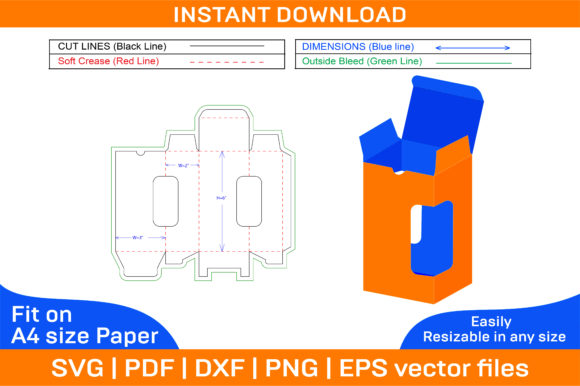
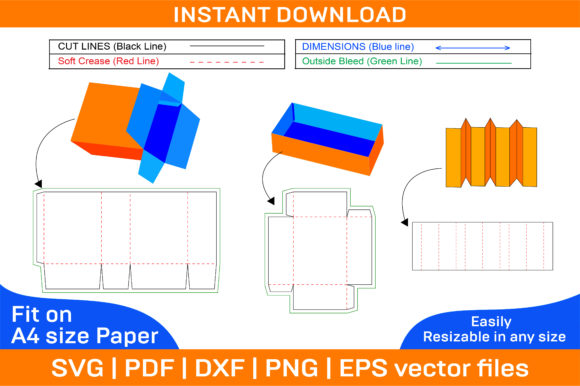
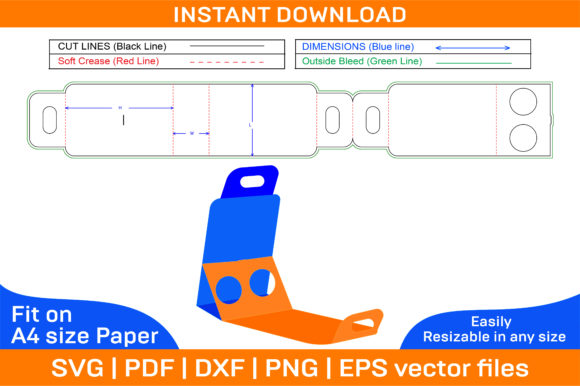
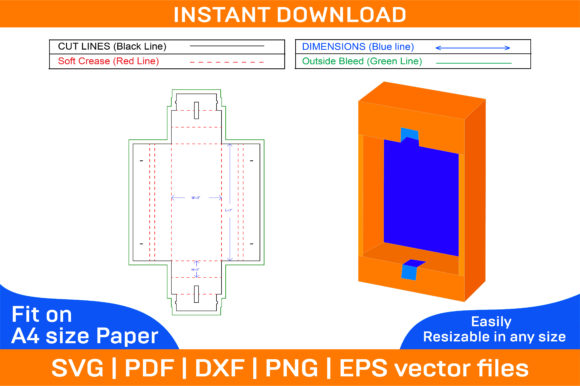
A dieline is essentially a blueprint for packaging. It shows where to cut, where to fold, and how each panel fits together. Without a well-planned dieline, even the most beautiful design can result in misaligned flaps, wasted material, or a box that simply does not hold its shape.
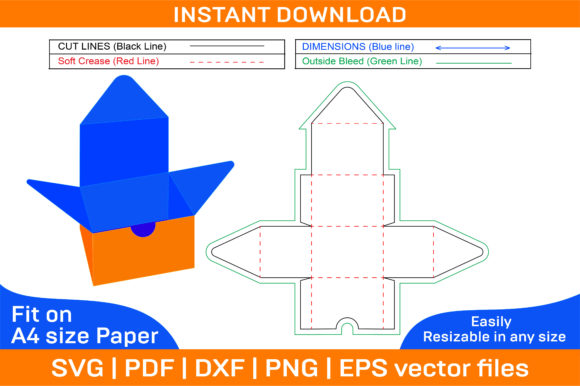
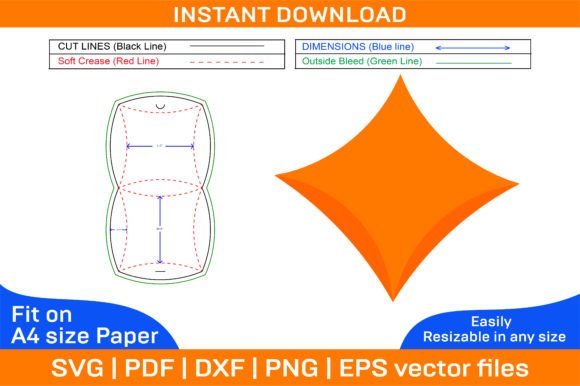
For gift boxes and pillow boxes specifically, the dieline defines the final form. A gift box dieline will map out a rigid or collapsible structure with a lid and base, while a pillow box dieline creates a curved, pouch-like container that is often secured with a ribbon or sticker. Both serve distinct purposes, and choosing the right one depends on what you are packaging and the impression you want to make.
Why the Right Dieline Saves Time and Reduces Frustration
Creating packaging from scratch without a template is like drawing a map without a compass. For entrepreneurs and freelancers juggling multiple tasks, starting with a proven dieline eliminates guesswork. You can download or customise a dieline, import it into design software, and focus on the artwork rather than structural math.
This efficiency matters most when deadlines are tight. A small business owner preparing holiday gift sets can test multiple dieline variations quickly, compare dimensions, and select the one that fits their product without costly trial-and-error prototypes. The time saved can be redirected toward branding, photography, or customer communication.
Small Business Owners and Entrepreneurs
If you sell handmade candles, artisanal snacks, or small accessories, your packaging often doubles as your storefront. A pillow box dieline offers a distinctive silhouette that stands out on a shelf or in a subscription box. Its curved shape feels elegant yet approachable, and it is relatively easy to assemble by hand—a real advantage for small-batch production.
For higher-end products, a gift box dieline with a separate lid and base conveys durability and care. Perfume bottles, jewellery, or premium chocolates benefit from the structured feel of a rigid box. Using a well-designed dieline ensures the lid fits snugly and the base supports the product securely, reducing returns due to damaged packaging.
Designers and Marketers
For creatives, the dieline is a constraint that actually boosts creativity. Knowing the exact dimensions of each panel allows you to plan graphics, textures, and window cutouts with precision. You can align a pattern so it flows seamlessly across the lid and sides, or position a logo exactly where it will be seen first.
Marketers benefit from the consistency a dieline provides. When a brand uses the same gift box dieline across multiple products, the packaging becomes recognisable. Customers associate that shape and feel with the brand, which strengthens recall and loyalty. Pillow boxes, often used for smaller items like jewellery or confectionery, can be customised with seasonal prints or personalised messages, making them ideal for limited-edition promotions.
Educators and Hobbyists
Packaging design is a rewarding skill to teach or learn. A pillow box dieline is especially beginner-friendly because it requires fewer folds and less glue than a multi-panel box. Hobbyists who craft soap, bath salts, or small gifts can produce professional-looking packaging at home with cardstock and a scoring tool. Educators can use dielines to demonstrate concepts like scaling, symmetry, and material efficiency without needing expensive equipment.
Subscription Boxes and E-Commerce
Subscription box curators often need packaging that is lightweight, compact, and visually appealing. Pillow box dielines work well for smaller items like sachets, tea samples, or lip balms. They nest neatly inside larger boxes and add a layer of delight when subscribers open their monthly delivery.
For larger subscription items, a gift box dieline can be designed with a protective insert or divider. This prevents movement during shipping and reduces the chance of breakage. The dieline here does double duty: it protects the product and creates a premium unboxing moment that subscribers photograph and share.
Event Favours and Wedding Gifts
Event planners and hosts often seek packaging that is both beautiful and quick to assemble. Pillow boxes are a favourite for wedding favours because they can be assembled in bulk and filled with treats or small keepsakes. A well-crafted dieline ensures every box is identical, which matters when consistency is part of the event aesthetic.
Gift boxes with a magnetic or tuck-top closure suit corporate gifts or milestone celebrations. The dieline can be adjusted to accommodate items like a personalised card or a small bottle. The result is packaging that feels intentional and worth keeping.
Limitations and Fit Considerations
No single dieline works for every product. Gift box dielines require more material and can be more expensive to produce, especially if you choose rigid board instead of folding carton stock. They also take longer to assemble, which may not be practical for high-volume, low-margin products.
Pillow box dielines, while charming, offer limited interior space for taller or heavier items. The curved shape can make stacking difficult, and they do not provide the same level of protection as a rigid box. If you ship frequently, consider whether the pillow box will hold up in transit or if a more robust gift box dieline would reduce damage.
Material choice also affects the final result. A pillow box dieline cut from lightweight card may feel flimsy compared to one cut from heavy stock. Test different grammages before committing to a design. Similarly, a gift box dieline with intricate cutouts or windows may require precise die-cutting that not every printer can deliver.
When to Compare Options
If you are launching a new product line, order dieline samples from a few suppliers. Compare how each folds, how the material feels, and whether the box holds its shape after repeated opening and closing. Pay attention to the tolerance of the dieline—some templates leave gaps between panels that can look untidy when assembled.
For digital-first products like SVG files or PDF templates, check that the dieline is compatible with your design software. Some files include locked layers or hidden marks that complicate editing. Download from reputable sources and always test the file with a simple print-and-fold sample before finalising artwork.
Recommendations for Getting Started
Begin with the product you plan to package. Measure its dimensions, weight, and fragility. A gift box dieline should provide at least 2–3 mm of clearance on each side to allow easy insertion. A pillow box dieline requires a similar buffer, but pay extra attention to the closure area—if the box is too tight, the ends may buckle.
Look for dieline libraries that offer both gift box and pillow box templates in common sizes like 4×4×2 inches or 6×3×1 inches. Many include fold lines, glue tabs, and registration marks. If your product is an unusual shape, consider modifying a standard dieline rather than starting from zero. Software like Adobe Illustrator or Affinity Designer lets you adjust curves and panels while keeping the structural logic intact.
Test with plain paper before using your final stock. This reveals weak points in the design and helps you decide where to reinforce folds. Once satisfied, run a short production batch to confirm the dieline performs under real assembly conditions.
Who Benefits Most and Why
Professionals and entrepreneurs who value presentation will find the most value in mastering gift box and pillow box packaging dielines. If your product relies on first impressions—like artisanal food, beauty products, or curated gifts—the dieline becomes a silent salesperson. It signals care and consistency before the customer even reads a label.
Freelancers and small teams benefit because a good dieline reduces the need for external structural engineers. You can handle the entire packaging design in-house, which cuts costs and gives you full control over the timeline. Hobbyists enjoy the satisfaction of creating something functional and beautiful with their own hands, and educators appreciate a tangible tool for teaching design principles.
At the same time, recognise that a dieline is only as effective as the material and craftsmanship behind it. Pair a strong template with thoughtful production choices, and your packaging will deliver exactly the experience your audience deserves.