Pre-roll Kits Box Dieline Template: What It Is and How to Evaluate Whether It Fits Your Packaging Needs
When you are developing packaging for pre-roll kits, one of the first decisions you will face is whether to use a pre-roll kits box dieline template or take a different approach. A dieline template is essentially a technical blueprint of a flat, unfolded box shape. It shows where each panel, flap, glue tab, and fold line sits before the box is cut, creased, and assembled. This template serves as the structural starting point for your packaging design. Understanding what it offers, where it falls short, and how it compares to alternatives can help you make a more informed decision for your specific product, budget, and timeline.
What a Pre-roll Kits Box Dieline Template Actually Is
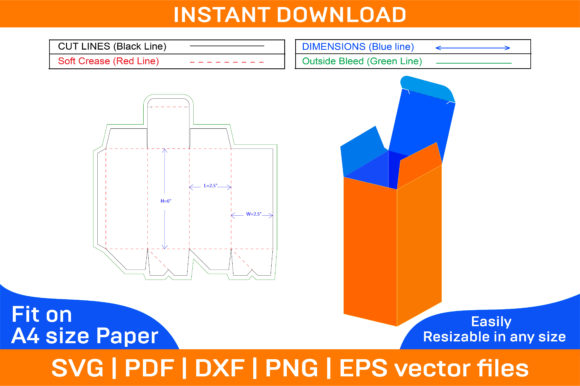
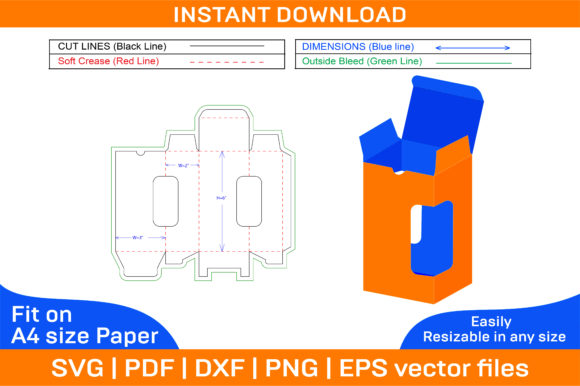
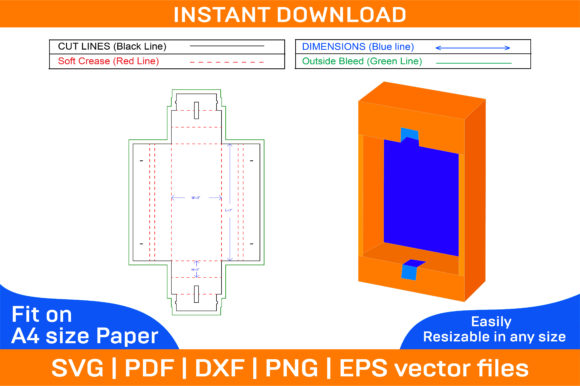
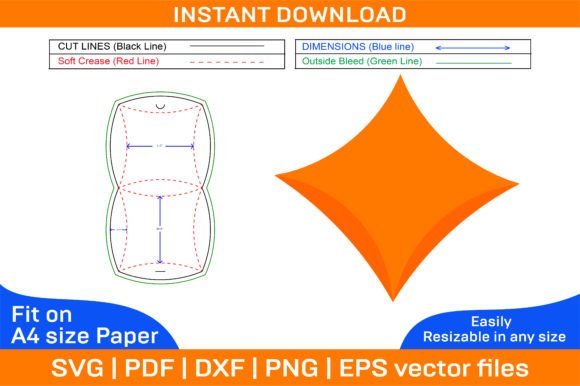
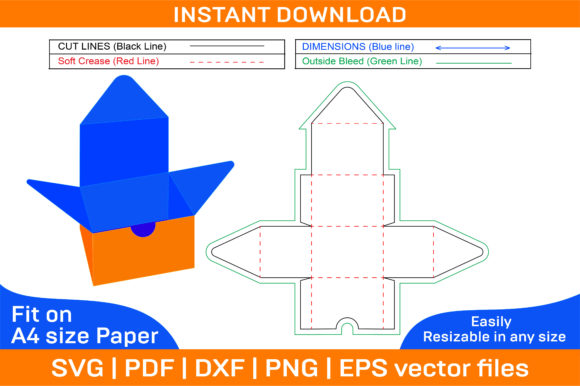
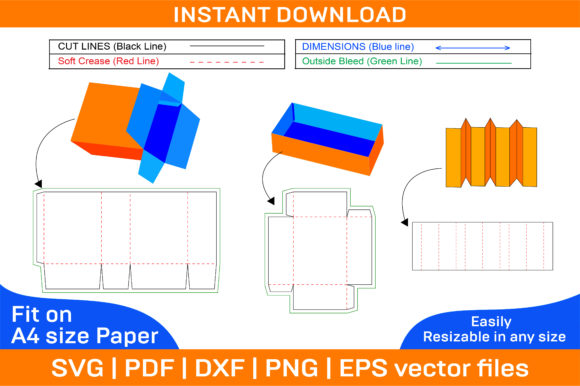
A dieline template for pre-roll kits is a two-dimensional vector file that maps out the exact geometry of a box intended to hold pre-roll products. It typically includes cut lines (often shown in solid strokes) and crease or fold lines (often shown in dashed strokes). The template accounts for the material thickness, the folding sequence, and the final three-dimensional shape of the box. Some templates are generic, designed to accommodate a standard pre-roll tube count or arrangement. Others are more specialized, factoring in inserts, partitions, or display windows. The template itself does not include any branding, artwork, or print instructions. It is purely a structural guide that a graphic designer or packaging engineer uses to layout visual elements.
If you are evaluating a pre-roll kits box dieline template, you are likely looking at a file format such as Adobe Illustrator (AI), Encapsulated PostScript (EPS), or PDF. These files allow you to overlay your brand colors, logos, regulatory information, and product details onto the correct panels, ensuring that nothing ends up in a fold or glue area. The template also helps you communicate with your printer about the exact dimensions and material requirements before any production run starts.
Why a Pre-roll Kits Box Dieline Template Attracts Attention
Several practical reasons explain why someone researching custom pre-roll packaging might gravitate toward a dieline template. The most common motivation is control over the final look and feel. Rather than selecting from a limited set of stock boxes, a template gives you the freedom to design packaging that aligns with your brand identity, product positioning, and customer expectations. Another reason is cost. When you supply your own dieline template and artwork, many packaging manufacturers offer lower rates because they do not need to invest in structural design or revisions. Speed is also a factor. If you already have a template that is production-ready or requires only minor adjustments, you can move from concept to print more quickly than if you were designing a box from scratch. Additionally, a template helps avoid common pitfalls such as misaligned graphics, insufficient bleed areas, or copy that falls into a glue seam.
For businesses that produce pre-roll kits in limited or seasonal runs, a dieline template offers flexibility. You can change artwork between batches without re-engineering the box structure each time. This makes it easier to test different visual styles, limited-edition releases, or market-specific labeling without committing to a new tooling or die setup.
Benefits That Matter When You Are Evaluating a Template
The most significant benefit of working with a pre-roll kits box dieline template is the reduction of ambiguity. When you hand a print-ready template to a manufacturer, both parties share a clear understanding of dimensions, tolerances, and fold logic. This reduces the back-and-forth that can delay a project and inflate costs. Another benefit is repeatability. Once you have a template that works, you can reuse it across multiple production runs with confidence that each batch will assemble correctly. For businesses scaling up, this consistency is essential for maintaining packaging quality and avoiding customer-facing defects.
From a design perspective, a good template supports better visual outcomes. Because the dieline defines every panel and flap, you can plan your artwork precisely. You know exactly where the front panel sits, where side panels fold, and where glue tabs end up hidden on the inside. This helps you avoid placing critical text or logos in areas that will be obscured or distorted after folding. Many templates also include bleed and safety margin guides, which help prevent white edges or cropped elements after trimming.
For those who handle packaging in-house, a template can simplify the assembly process. Some dieline templates include fold marks or assembly instructions that make it easier for your team to fold, fill, and seal boxes quickly and consistently. This can be a practical advantage for smaller operations that do not have automated packaging equipment.
Tradeoffs and Considerations You Should Not Overlook
Despite these advantages, a pre-roll kits box dieline template is not a universal solution. One of the main tradeoffs is that it requires a certain level of design skill to use effectively. If you or your team are not comfortable working with vector files, layers, bleeds, and color separations, you may end up with artwork that does not align with the template correctly. This can lead to print errors, wasted materials, and delayed timelines. In such cases, the cost savings of using a template can be offset by expensive reprints or redesigns.
Another consideration is that templates are often designed for specific stock sizes and material types. If you need a box that uses a non-standard paperboard thickness, a specialty coating, or an unusual closure mechanism, a generic dieline template may not accommodate those requirements. You might need to modify the template or commission a custom structural design. Not all suppliers offer template modification services, and those that do may charge a fee that makes the template less economical than a fully custom solution.
There is also the question of functionality. A pre-roll kits box dieline template works well for standard shapes such as tuck-end boxes, sleeve boxes, or hinged-lid containers. However, if your pre-roll kit includes multiple components such as papers, filters, grinders, or lighters, you might need a more complex internal structure. Some templates include partitions or inserts, but many do not. If your product requires a custom insert to hold items securely during shipping and display, a simple box template may not be sufficient. You would either need to find a template that includes an insert dieline or design one separately.
Printing constraints are another factor. Templates often assume a specific printing method, such as offset or digital, and a specific sheet size. If your printer uses different press dimensions or requires different bleed and registration mark placements, the template may need adjustments. It is always wise to verify the template with your chosen manufacturer before finalizing artwork.
When a Pre-roll Kits Box Dieline Template Is a Strong Fit
A dieline template tends to be a good choice when you have in-house design capabilities or access to a freelance designer who understands packaging production. If you are producing a relatively standard box size and shape, and your pre-roll kit contains only tubes or a single product type, a template can save you both time and money. It is also a strong fit for businesses that need to iterate on packaging frequently, such as those launching new strains, seasonal products, or private-label lines. Because the template remains the same while the artwork changes, you can keep your packaging fresh without re-engineering the box.
For startups and smaller brands that want professional-looking packaging without paying for a full structural design service, a pre-roll kits box dieline template offers a low-cost entry point. Many online marketplaces and packaging suppliers offer free or low-cost dieline templates that you can download immediately. This allows you to prototype and test your packaging concept before committing to a larger print run. It also gives you a tangible sample to show investors, retailers, or compliance reviewers.
Companies that work with multiple packaging suppliers may also benefit from using a standardized template. Because the dieline defines the box geometry independently of any single printer, you can send the same file to different manufacturers and compare quotes on a like-for-like basis. This can simplify the procurement process and help you negotiate better pricing.
When Alternatives May Be Worth Considering
There are situations where a pre-roll kits box dieline template is not the best path forward. If your product requires unique packaging dimensions or an unconventional shape, a custom structural design from a packaging engineer is likely a better investment. For example, if your pre-roll kit includes a large accessory such as a grinder or lighter, and you want all items to sit flush and secure, a tailored design will account for the specific weight and geometry of each component. A generic template may not provide the necessary support or fit.
If you lack design experience and do not have budget to hire a professional, using a template can lead to frustration and wasted expense. In that case, it may be more practical to purchase pre-made boxes from a packaging supplier that offers custom printing on stock designs. Many suppliers have a catalog of standard box styles that they can print with your artwork without requiring you to handle the dieline yourself. This approach gives you professional results with minimal hands-on effort, though it limits your ability to modify the box structure.
For brands that prioritize sustainability and want to use specialized materials such as molded fiber, biodegradable plastics, or fabric-based wraps, a standard paperboard dieline template will not apply. Similarly, if you need child-resistant or tamper-evident packaging features, a basic tuck-end box template will not meet those requirements. You will need a packaging partner who can design and test a custom solution that complies with relevant regulations.
Large production volumes or automated packaging lines also call for caution with off-the-shelf templates. A template that assembles well by hand may not run cleanly through high-speed filling and sealing equipment. Tolerances that are acceptable for manual assembly can cause jams, misfolds, or misaligned closures on automated lines. In such cases, it is better to have a structural design that has been tested on the specific machinery you use.
Practical Insights for Making Your Decision
When deciding whether a pre-roll kits box dieline template aligns with your goals, start by auditing your internal resources. Do you have someone who can correctly place artwork within the dieline boundaries, export print-ready files, and communicate effectively with a printer? If yes, a template is a viable option. If no, factor in the cost of hiring a designer or find a supplier who offers turnkey packaging services that include design and template setup.
Next, consider your product and its packaging requirements. List every item that will go inside the box, including dimensions, weight, and any fragile components. Measure how much space each item needs and whether you want them to move freely or stay fixed. This will help you determine whether a standard box template is sufficient or whether you need inserts, partitions, or custom dimensions.
Request samples from your template source before committing to a large print run. Even if the digital file looks correct, the physical box may differ due to material thickness, crease depth, or print registration. A small trial run or A4 proof will reveal any alignment issues or assembly problems. This is the most reliable way to verify that the template meets your standards before you invest in full production.
Finally, compare the total cost of using a template versus a custom design. Include the time spent on artwork, any template modifications, printing, and assembly. Sometimes the savings from a template are offset by hidden costs such as redesign fees or reprints. A clear cost comparison with your specific quantities and requirements will tell you which approach offers better value.
A pre-roll kits box dieline template is a practical tool for many packaging projects, but it works best when matched with the right team, product, and production process. By evaluating your design capability, product complexity, and production volume honestly, you can decide whether a template serves your needs or whether a custom approach is the better investment.