Cake Box & Gift Box Packaging Dieline Guide
Whether you are launching a new bakery line, designing seasonal gift sets, or creating memorable packaging for a small brand, the cake box or gift box packaging dieline is often the unsung foundation of the entire project. It is the technical blueprint that transforms an idea into a physical, foldable, and functional box. Understanding what a dieline does, and more importantly, how to use it effectively, can make the difference between a package that feels seamless and one that frustrates both the maker and the recipient.
What a Dieline Actually Does for Your Packaging
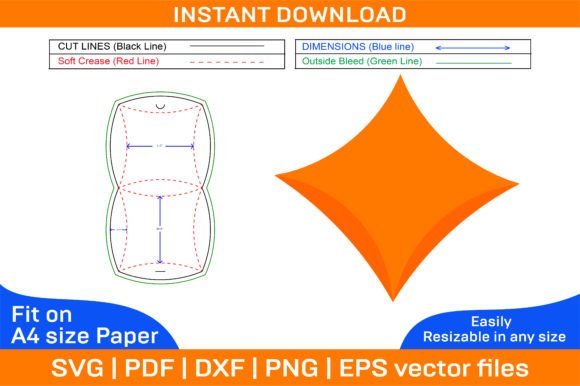
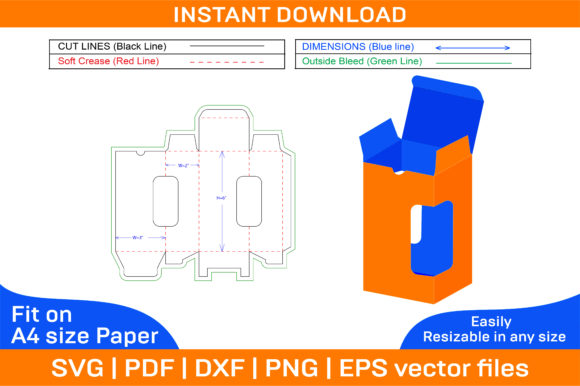
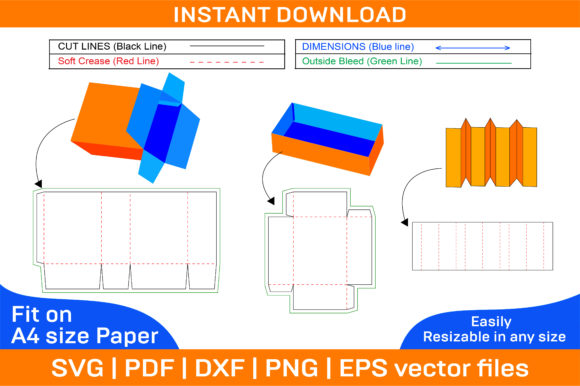
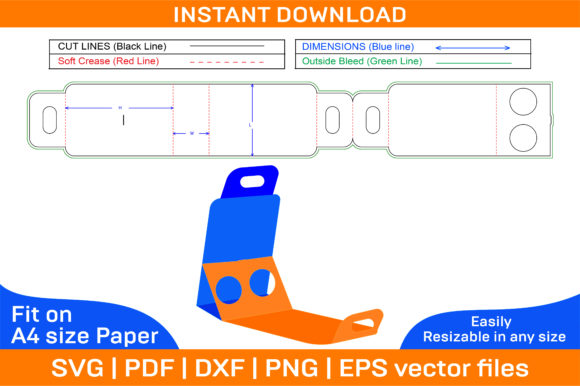
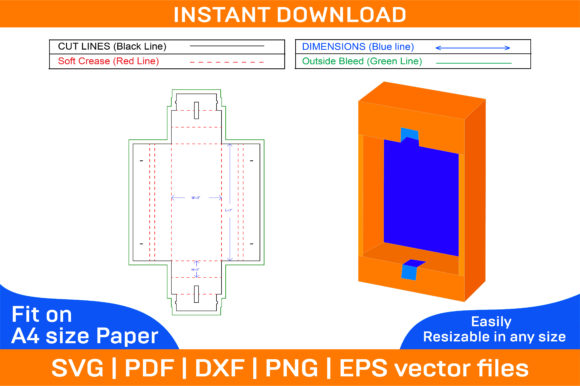
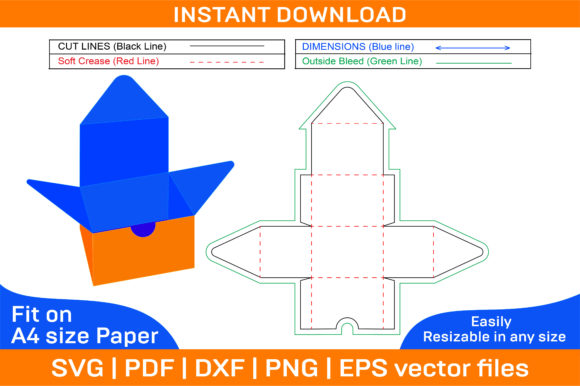
A dieline is more than a cutting guide. It is a precise diagram that accounts for every fold, glue tab, window cutout, and structural lock. For anyone producing cake boxes or gift boxes in small or large batches, the dieline ensures that the flat printed sheet becomes a three-dimensional container that holds its shape, protects its contents, and opens as intended. Without a well-designed dieline, even the most beautiful artwork can end up misaligned, buckling, or failing at the seams.
When you work from a reliable cake box or gift box packaging dieline, you remove a significant amount of guesswork. The fold lines tell you exactly where the creases go. The glue tabs show where adhesive is needed. The cut lines separate the waste from the final shape. This clarity is invaluable whether you are cutting by hand with a craft knife or sending files to a commercial die cutter.
Why the Right Dieline Saves Real Time
Time is a precious resource for small business owners, freelancers, and hobbyists alike. One of the most practical benefits of using a pre-tested dieline is that you skip the trial-and-error phase. Instead of drawing your own grid, measuring angles, and hoping the tabs line up, you start with a geometry that is already proven to work.
Consider a baker who wants to create custom boxes for a weekend farmers market. Printing artwork on a premade dieline template lets them focus on the visual design—colors, logos, patterns—rather than structural engineering. The same applies to a stationery designer creating gift boxes for a client. The dieline handles the mechanics, and the designer handles the look. This division of labor is not just efficient; it is also liberating.
- No need to measure fold angles from scratch
- Reduced material waste from test cuts
- Faster turnaround for batch production
- Less frustration with fit and closure issues
Realistic Example: A Holiday Gift Set
Imagine you are producing fifty gift boxes for a corporate client. Each box must hold a candle, a small journal, and a branded note. You have a week to design, print, and assemble. Using a standard cake box or gift box packaging dieline for a small cube box, you can lay out your artwork in a few hours, send it to a local printer, and receive kiss-cut sheets that fold up in minutes. Without the dieline, you would likely spend days measuring, testing, and correcting misfolds.
How Dielines Support Creative Freedom
At first glance, a dieline might seem like a constraint. In practice, it is a framework that actually encourages creativity. When you know the exact boundaries of each panel, you can experiment with pattern placement, window shapes, and structural variations without worrying about whether the box will hold together.
For instance, many gift box dielines include a transparent window panel. The dieline marks the cutout boundary and the fold line for the backing. This allows you to design a reveal that shows a product inside—a frosted cake, a colorful gift, a handwritten card—without compromising the structural integrity. You can also explore special finishes like foil stamping, embossing, or spot gloss because the dieline tells you exactly where the decoration will land relative to the folds.
Who Benefits Most from This Creative Support
Small business owners who handle both design and production appreciate the mental space a dieline frees up. Instead of worrying about whether a box will close, they can focus on brand storytelling through color, typography, and imagery. Freelance designers benefit because they can offer clients multiple structural options without billing for hours of custom die design. Hobbyists and makers enjoy the satisfaction of producing professional-looking packaging from their home studio, something that once required factory-grade equipment.
Improving Presentation and Perceived Value
Packaging is often the first physical touchpoint between a brand and its customer. A box that feels solid, opens cleanly, and fits the product exactly communicates care and quality. The dieline plays a direct role in that experience. A well-calibrated fold creates crisp edges. A correctly positioned glue tab keeps the structure tight. A window cutout aligned with the product adds a layer of intrigue.
When you choose a cake box or gift box packaging dieline that matches the physical size and shape of your item, the result looks custom even if the template is standard. This is especially important for bakeries, confectioners, and gift shops where presentation drives repeat business. A cake box that sags or gaps undermines the perception of the cake inside. A gift box that requires tape or excessive force to close feels cheap.
Practical Tip: Testing Your Dieline Before Printing
Before sending any design to production, print a mock-up on plain cardstock using the dieline. Fold it, tape it where needed, and place your product inside. This five-minute test reveals whether the dimensions work, the tabs align, and the closure method is convenient. It is a small step that prevents costly mistakes when you move to final printing.
Simplifying Decisions for Newcomers
For someone just starting out in packaging design, the sheer number of choices can be paralyzing. Paper weight, coating, box style, closure type, and printing method all interact. A dieline simplifies one part of that equation: the geometry. Once the structure is set, you can evaluate materials and finishes with confidence.
If you are a blogger or educator teaching packaging basics, dielines provide an excellent teaching tool. Students can see how a 2D layout maps to a 3D form, and they can experiment with adjustments like deepening a tray or widening a lid. The dieline becomes a hands-on lesson in spatial reasoning and production design.
Limitations and Fit Considerations
No tool is perfect for every situation, and dielines have their limits. A pre-made dieline may not accommodate unusually shaped products or complex internal dividers. If your product is very heavy, fragile, or oddly proportioned, you may need a custom die design rather than a standard template.
Additionally, not all dielines are created equal. Some are designed for lightweight paperboard and may not hold up under the weight of a dense cake or a heavy gift. Others assume a specific folding sequence that may not match your assembly process. When selecting a cake box or gift box packaging dieline, consider the material thickness, the weight of the contents, and whether the closure relies on friction, adhesive, or a tuck flap.
- Check the recommended paper weight range for the dieline
- Verify that the dimensions leave a small tolerance for product placement
- Confirm that the closure method suits your intended use (e.g., reusable vs. single-use)
When to Compare Multiple Options
If you are producing packaging for a product line that may change sizes seasonally, look for a dieline that offers scalable dimensions or a modular design. Some dielines allow you to adjust the height or width without breaking the fold logic. Others are locked into a fixed ratio. Comparing a few options before committing can save rework later.
Final Observations on Dielines in Practice
A cake box or gift box packaging dieline is a small investment that pays for itself many times over in reduced errors, faster production, and better end results. It bridges the gap between creative vision and physical reality, allowing designers, bakers, marketers, and entrepreneurs to produce packaging that looks thoughtful and performs well.
Whether you are packaging a single artisan cake for a local market or preparing a run of gift boxes for a national launch, starting with a solid dieline gives you a foundation you can trust. The artwork may change. The product may evolve. But the structural logic of a good dieline remains a constant that supports your goals, protects your product, and delights the person opening the box.