Multi Layer Valentine Couple SVG: Project Ideas
When you combine layered design with a holiday built around connection, the results can go far beyond a simple cut file. Multi Layer Valentine’s Couple SVG refers to a digital design file that uses two or more stacked or overlapping elements—often people, hearts, backgrounds, or decorative motifs—to create depth and dimension. Unlike flat single-layer graphics, these files give you the ability to produce pieces that feel almost sculptural when cut from cardstock, vinyl, or even lightweight wood. That depth is what makes them stand out in a sea of two-dimensional valentines.
For anyone who works with a cutting machine, design software, or print-on-demand tools, understanding how to use these SVGs effectively unlocks a range of practical and creative outcomes. This guide covers what makes them interesting, how different users can put them to work, and how to keep your results clean, organized, and audience-friendly every time.
What Defines a Multi Layer Valentine’s Couple SVG
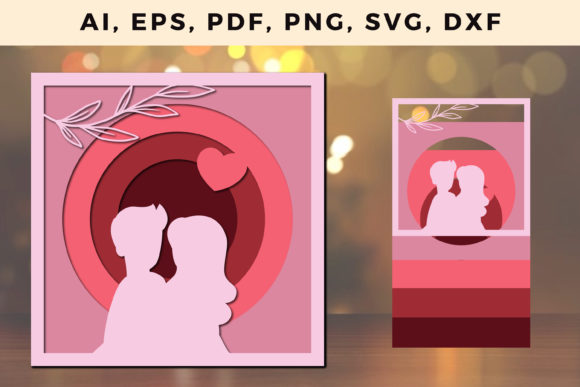
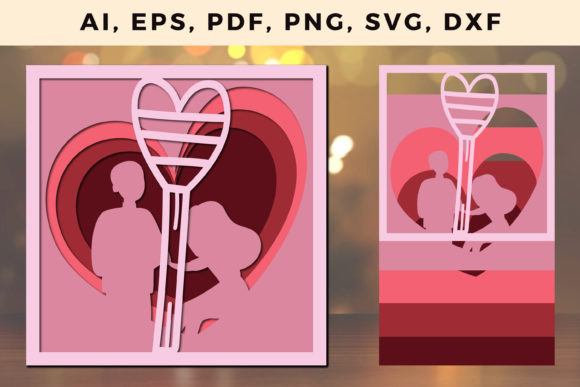
A standard SVG file contains paths and shapes that form a single image. A multi-layer SVG, by contrast, splits those shapes across separate layers—each one intended to sit on top of the next. In the context of a Valentine’s couple design, you might see a background layer with a heart pattern, a middle layer showing two silhouetted figures facing one another, and a top layer with fine details like flowers or stars.
The separation matters because it allows each piece to be cut from a different color material. When stacked, the layers build up like a paper cut diorama or a layered sign. The effect is richer than a printed card and far more tactile. Whether you are making a gift, a product listing, or a classroom craft, that physical depth gives your project a premium feel without requiring expensive materials or advanced techniques.
Creative Possibilities Across Formats and Audiences
The real value of a layered Valentine SVG lies in how many directions you can take it. Because the design is already separated into components, you can adapt it for different goals without redrawing anything. Here are several ways different users might approach the same file.
Handmade Greeting Cards with Real Dimension
Paper crafters and hobbyists can turn a multi-layer couple SVG into a card that literally stands out. By cutting each layer from cardstock and adhering them with foam tape or adhesive dots, you create a raised image on the front of a folded card. The couple becomes the focal point, and the background layers provide context—a sunset gradient, a heart-filled sky, or a simple geometric frame.
For a more polished finish, consider cutting the top layer from a subtle shimmer paper or a metallic sheet. The contrast between matte and shine draws the eye naturally. If you are making multiple cards, cut all layers in one pass using a single mat layout, then assemble them assembly-line style. This keeps production efficient while maintaining a handmade look that recipients notice.
Wall Art and Home Decor
Designers and small business owners can scale up the same SVG file to create wall art for Valentine’s Day or beyond. A layered couple silhouette, cut from medium-weight chipboard or basswood, makes a striking piece when mounted inside a shadow box frame. The multi-layer structure works perfectly for this format because the frame already provides depth—you can let the layers float inside without a backing.
If you sell on platforms like Etsy or at local markets, offering these as pre-made kits with pre-cut layers and a frame is a low-effort product that many customers appreciate. They get a quality decorative piece without needing a cutting machine. For your own home, you can customize the colors to match existing decor—think dusty rose and navy instead of the typical red and pink.
Personalized Gifts with Names or Dates
One of the strongest selling points of an SVG is its editability. A multi-layer Valentine’s couple file can be customized with a couple’s names, anniversary date, or a short phrase like “Together since 2022.” Using design software such as Inkscape or Adobe Illustrator, you can add text to a new layer that sits between the background and the main figures, or you can replace one of the decorative elements with a monogram.
For freelancers and creators offering custom orders, this kind of personalization adds perceived value without increasing production time much. A customer receives a one-of-a-kind piece that reflects their relationship, and you differentiate yourself from sellers who only offer generic designs. Keep the font clean and centered so it doesn’t compete with the layered couple for attention.
Digital Content and Social Media Graphics
While layered SVGs are often associated with physical cutting, they also work beautifully in digital contexts. Bloggers and marketers can use the extracted layer elements to compose social media posts, pin graphics, or email headers. Because each component is separate, you can rearrange them, change colors, or animate them for short video clips.
For example, you might take the silhouette layer of the couple, set it against a soft pink background, and add a rotating heart layer above it for a simple Instagram Reel. The layered aesthetic reads as modern and polished without requiring heavy animation skills. This approach is especially useful if you are promoting a Valentine’s craft tutorial or a gift guide—you can show the final product and then break down how the layers fit together.
Adapting for Different Audiences and Platforms
Not every audience wants the same treatment. A multi layer Valentine’s couple SVG can be tailored to fit different expectations and contexts with a few intentional choices.
For Educators and Classrooms
Teachers often need projects that are engaging but also manageable with limited materials and time. A simplified two- or three-layer SVG works well for upper elementary and middle school students. Cut the layers from colored cardstock ahead of time, then have students assemble them on a blank card base. This teaches basic spatial reasoning—which layer goes first, how to align edges, and why depth changes perception—while producing a take-home gift that families appreciate.
To keep things organized, prepare a labeled envelope for each student with the layers sorted in order. This eliminates confusion and lets you focus on the creative process rather than troubleshooting. If the design includes small details like hearts or stars, consider providing those as optional embellishments so students can personalize without becoming overwhelmed.
For Marketers and Small Business Owners
If you run a craft brand or a print-on-demand shop, the same SVG can be used across several product categories. A multi-layer couple design can become a t-shirt graphic (use only the top silhouette layer for a clean single-color print), a mug design (grouped layer merged into a flat image), or a tote bag with layered iron-on vinyl.
By buying one high-quality SVG and repurposing it across 5–10 products, you keep your catalog cohesive while reducing design costs. The key is to adapt the complexity to the medium. A layered paper project needs all the separate parts, but a t-shirt print only needs one solid shape. Understanding which layers to keep and which to omit for each product will save you production headaches and returns.
For Hobbyists Exploring New Techniques
If you are relatively new to working with SVGs, a multi-layer Valentine’s couple file is a great way to practice layering skills without starting from scratch. Try experimenting with different materials—glitter cardstock for the top layer, translucent vellum for the middle, and a solid base card. The results will vary in pleasing ways, and you will learn how different stocks interact with your cutting machine’s settings.
You can also use the file to practice color theory. Build two or three versions of the same layered design with different color palettes—monochromatic, analogous, and complementary. Then compare the emotional tone of each. The same couple silhouette reads romantic in reds, calm in blues, and playful in bright pastels. That flexibility is something you can carry into future projects.
Keeping Results Clear, Effective, and Audience-Friendly
Even the best SVG can fall flat if the final product feels messy or confusing. Multi-layer designs rely on precision and intentionality. Here are a few practical ways to stay organized and ensure your output looks as good as the concept.
- Label every layer in your design software. When you import an SVG, the layers may appear as generic shapes. Rename them clearly—Background, Couple Silhouette, Hearts, Frame—so you can easily select and modify what you need. This is especially helpful when you are coming back to a file after a few days or sharing it with a collaborator.
- Test your cut settings on scrap material. Different cardstock weights, vinyl types, and wood veneer require different pressure and depth settings. Run a small test cut of each layer before cutting the final sheet. Adjust blade depth and force as needed. This five-minute step prevents wasted material and frustration.
- Keep adhesive choices consistent. For paper projects, double-sided tape works well for flat areas, while foam adhesive squares add lift for top layers. For larger decor pieces, consider using a low-temp glue gun or tacky glue. Test a small sample first to make sure the adhesive doesn’t bleed through thin paper.
- Consider the viewing distance. A layered design meant for a greeting card will be held close, so fine details and crisp edges matter. A design meant for wall art or a door sign will be seen from several feet away, so bolder shapes and higher contrast between layers work better. Scale your detail level accordingly.
- Provide clear assembly instructions if selling or gifting. Number the layers or include a simple diagram showing which piece goes first. Even intuitive designs benefit from a quick reference. Buyers and recipients will appreciate knowing they are assembling it correctly, and it reduces the chance of a negative review or disappointment.
Variations in Style and Interpretation
A multi layer Valentine’s couple SVG does not have to look the same every time. You can vary the mood by choosing different visual approaches.
Silhouette styles keep the couple anonymous and universal, letting viewers project their own relationship onto the figures. Line art or sketch styles offer a more contemporary, hand-drawn feel that works well for journals and modern decor. Geometric or abstract interpretations use simple shapes to suggest a couple—circles for heads, angled rectangles for bodies—which can feel fresh and gender-neutral.
If you design your own SVGs, consider offering the same couple pose in two or three style variants. Customers who buy one often come back for the others, especially if they are making gifts for multiple couples in their life. This small expansion to your product line costs little time but builds loyalty and repeat sales.
Practical Inspiration for Real Projects
To ground these ideas, here are a few concrete project outlines you can adapt or draw from directly.
- Mini layered card set. Cut three 4x6 card fronts using a two-layer couple design. Use white base, red silhouette, and gold heart accent. Mount on A2 card bases and sell as a set of six. Total production time per set is about 20 minutes after cutting.
- Shadow box gift. Choose a three-layer SVG with a background scene (stars or sky), a central couple layer, and a decorative frame. Cut from 1/8 inch basswood. Finish with a matte spray sealer. Frame in a 5x7 shadow box with the glass removed for direct touch.
- Social media carousel. Use your design software to separate the layers into individual PNG files. Create a 4-slide Instagram carousel showing each layer individually, then the final combined piece. End with a call to action linking to the SVG download or finished product. This content is quick to produce and performs well around Valentine’s Day.
- Classroom Valentine’s craft. Prep 30 kits with pre-cut cardstock layers (three colors per kit) and blank card bases. Provide glue sticks and a short printed instruction sheet. Students complete the activity in about 25 minutes. Parents appreciate the handmade card, and you control the material quality and cost.
Closing Practical Notes
Working with multi layer Valentine’s couple SVGs is not complicated, but it rewards thoughtful preparation. Whether you are designing for yourself, for a client, or for a product line, the same principles apply: keep your layers organized, choose materials that enhance depth, and consider how the final piece will be seen and used. When you respect those factors, the design does the rest of the work.
The best layered projects feel inevitable—like it could not have existed any other way. That kind of clarity comes from understanding the file structure, the audience, and the medium. Take the time to match those three elements, and you will produce Valentine’s projects that people keep, share, and remember.