Understanding the 3D Layered Carneval Mask: Design, Comparisons, and Practical Fit
If you have ever browsed online marketplaces or visited a costume shop leading up to Carnival season, you have likely encountered a wide spectrum of masks. Some are simple printed cardboard cutouts, others are elaborately feathered Venetian-style creations, and increasingly you will see masks described as “3D layered.” The 3D layered Carneval mask occupies a specific niche in this spectrum, blending depth, structure, and detailed artistry without reaching the weight or cost of fully sculpted resin or ceramic pieces. Understanding what this type of mask offers — and where it may fall short — can help you choose the right option for your event, display, or creative project.
What Defines a 3D Layered Carneval Mask?
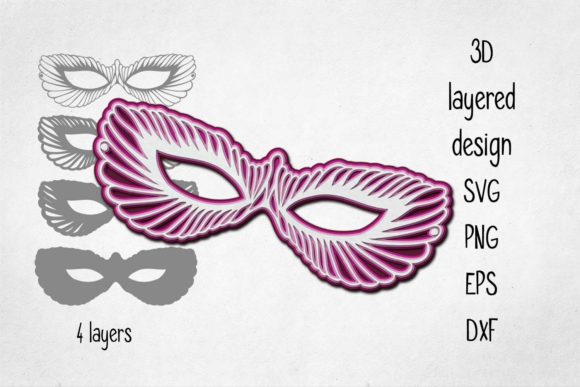
At its core, a 3D layered Carneval mask is built by stacking two or more cut or shaped layers of material — often cardstock, lightweight paperboard, craft foam, or thin plastic — to create a relief effect. Unlike a flat printed mask that relies solely on ink to simulate depth, the layered construction physically raises certain elements (eyebrows, cheekbones, decorative flourishes, or animal-like snouts) outward from the base. This technique mimics the appearance of carving or molding while keeping the mask relatively lightweight and affordable to produce.
The “Carneval” reference ties the mask to the festive traditions of Venice, Rio, or other Carnival celebrations, where ornate masks are worn during parades, balls, and street parties. A typical 3D layered design may incorporate classical motifs like harlequin patterns, floral filigree, or animal shapes, but the layering approach can also accommodate modern geometric or abstract styles. Because the layers are cut separately and then glued, sewn, or heat-bonded together, the designer has considerable freedom to play with color gradients, texture contrasts, and silhouette complexity.
One of the more distinct features of a well-made 3D layered Carneval mask is the use of multiple material finishes within the same piece. For instance, a base layer might be matte black paper, the next layer iridescent foil, and the top layer a flocked velvet paper. This variety in surface sheen and tactile feel contributes to a richer overall look than a single-material mask can achieve.
How It Compares with Other Mask Categories
To decide whether a 3D layered Carneval mask fits your needs, it helps to see how it stacks up against common alternatives. The main categories are flat printed masks, full-molded resin or plastic masks, fabric masks, and handcrafted artisan masks. Each has different strengths in terms of visual impact, durability, comfort, and price point.
3D Layered vs. Flat Printed Masks
Flat printed masks are usually die-cut from a single sheet of cardstock or thin plastic with the design printed on the surface. They are the most budget-friendly option and easy to produce in bulk. However, they lack physical depth. The 3D layered Carneval mask immediately offers a more dimensional appearance that catches light from different angles. When worn under party lighting, the shadows cast by the layers create a sense of movement that a flat mask cannot match.
Tradeoff: The layered mask is generally a bit heavier, though still manageable for short wear. It also costs more to manufacture, so retail prices are higher. For a one-time costume party where budget is the priority, a flat mask might suffice. If you want your mask to stand out in photos or video and feel more substantial in hand, the layered version is a clear upgrade.
3D Layered vs. Full-Molded Resin or Plastic Masks
Full-molded masks (vacuum-formed or cast in resin) can achieve very smooth, realistic curves and undercuts. They are often used for theatrical productions or high-end cosplay because they can be painted and finished to look like porcelain, leather, or metal. The 3D layered Carneval mask cannot replicate the seamless organic curvature of a molded mask — you will see the seams between layers unless they are expertly hidden. On the other hand, layered masks are typically more breathable and easier to customize quickly. If you want to change a color or add a new element, you can cut an additional layer and attach it rather than repainting an entire molded form.
Tradeoff: Molded masks are often more expensive and less flexible for DIY tweaks. They may also be heavier and less ventilated. For a costume that must be worn for several hours in a warm climate, the lighter layered mask often wins on comfort. For a display piece that demands flawless contours, the molded mask may be preferable.
3D Layered vs. Fabric Masks (E.g., Lace or Sequined)
Fabric masks — whether crocheted, lace-covered, or fully embellished with sequins — offer softness and adaptability to face shapes. They can be tied around the head like a bauta or tied with ribbons. A 3D layered Carneval mask made of cardstock or craft foam is rigid, which means it must have a pre-formed shape that may not fit all face shapes equally well. However, the rigid structure allows for more dramatic architectural flourishes — tall crests, protruding horns, or sharp angular facets — that fabric cannot support without internal wiring.
Tradeoff: Fabric masks are generally more comfortable for extended wear and can be washed. The layered paper/foam mask is more fragile and should be kept dry. If you are attending an outdoor parade where rain or sweat is likely, a fabric mask may be more practical. If you are posing for photographs or attending a seated masquerade ball, the layered mask’s striking silhouette becomes a clear advantage.
3D Layered vs. Handcrafted Artisan Masks
At the top of the market are masks made by individual artisans using techniques like paper-mâché, leather molding, or clay sculpting. These are unique, often signed pieces that can be museum-quality. The 3D layered Carneval mask is generally a mass-produced (or limited-run) item designed for accessibility. It sacrifices exclusivity and potential refinement for reproducibility and a lower price point.
Tradeoff: For a collector or a performer who needs a one-of-a-kind piece with specific dimensions, the artisan route is irreplaceable. For a large bridal party or a theater group needing multiple matching masks, the 3D layered version offers consistency and lower cost per unit without completely sacrificing depth.
Strengths and Limitations: A Closer Look
No product is perfect for every scenario. Here are the most notable strengths and limitations of the 3D layered Carneval mask that you should weigh before buying.
Strengths
- Visual depth on a budget: The layered construction provides a high-end look for a fraction of the cost of hand-sculpted alternatives.
- Lightweight and wear-friendly: Most layered masks weigh less than 30 grams, making them suitable for extended wear if padding is added to the bridge of the nose.
- Customizable: Since the layers are separate, you can recolor, reglitter, or swap out individual layers with minimal effort. This is great for themed parties or matching multiple masks in slightly different colorways.
- Photogenic: The depth casts natural shadows that look excellent in flash photography and under stage lights — far better than flat masks.
Limitations
- Durability concerns: Paper-based layers can crease or delaminate if handled roughly. Moisture is especially problematic. Even foam layers can tear over time.
- Fit variability: Rigid masks may not conform to all face shapes. Some 3D layered masks come with elastic bands, but the fit can be loose or tight depending on the design.
- Limited breathability: Unlike open lace masks, layered designs often cover more of the face, and ventilation holes are not always included. You may need to add them yourself if you plan to wear the mask for dancing.
- Perceived value: For someone accustomed to heavy resin masks, a lightweight layered mask may feel less substantial. This is a matter of expectation rather than a flaw, but it is worth noting if you want a mask with heft.
When a 3D Layered Carneval Mask Is the Right Choice
Based on the comparisons above, the 3D layered Carneval mask shines in several specific use cases:
- Theme parties and masquerade balls where guests expect a certain level of decoration but not high investment. If the event asks for “Venetian-style” attire, a layered mask provides an authentic feel without requiring attendees to spend hundreds of dollars.
- Photography and film shoots. Because the layers read well on camera, costume designers often use them for background characters or scenes that call for elaborate masks on a limited budget. They are easy to color-correct in post-production if the layers reflect light differently.
- DIY crafters and group coordinators. If you are organizing a group of ten friends who all want slightly different variations of the same mask, buying three or four base layered masks and customizing layers yourself is far more efficient than commissioning bespoke pieces.
- Indoor, short-duration wear. For a seated dinner, a gala, or a stage performance lasting under two hours, the lightness and aesthetic payoff make the layered mask a strong contender.
When to Choose Another Option
Conversely, you may want to look elsewhere in the following situations:
- Outdoor Carnival in rainy or humid conditions. Even with a sealant spray, paper or craft foam layered masks can warp in high humidity. Consider a fabric or fully plastic mask instead.
- Active dancing or physical performance. If you will be moving energetically, you need a mask that stays put without slipping. A rigid layered mask may slide off or require head straps that can dig into the ears. A fabric mask with a full headpiece or an elastic cap may be more secure.
- Repeat wearing across multiple events. If you plan to wear the same mask to four or five parties, the layered construction may show wear and tear. A resin mask or a metal-framed mask would likely last longer.
- Face-fitting requirements for glasses or large features. Some layered masks have narrow eye openings or low nose bridges. If you wear glasses, you may need to modify the mask or choose a half-mask style that leaves the top of the face free.
Practical Advice for Evaluating and Using a 3D Layered Carneval Mask
If you decide that the layered design fits your project, here are a few practical tips to ensure you get the most out of your purchase or DIY effort:
- Examine the layer attachment method. Is it glued, stapled, or sewn? Glued layers can be more fragile but easier to replace. Sewn or heat-bonded layers tend to hold up better over time.
- Check the profile view. Look at the mask from the side. The thickness of the layers and how they step out from the base matters. A cheap layered mask may have only two layers that barely create depth; a well-designed one will have three or more layers with clear elevation changes.
- Consider adding a lining. Many layered masks have a rough interior edge. Adding a soft felt or ribbon lining can improve comfort and prevent skin irritation.
- Test the field of vision. Put the mask on and look left and right. Some designs with steep eye openings reduce peripheral vision. If you need to navigate a crowded room, enlarge the eye slits slightly with a craft knife.
- Weather-proofing. A clear acrylic spray (matte or gloss) can add a moisture barrier. For lightweight paper masks, this is almost essential if you expect any sweat or humidity.
Ultimately, the 3D layered Carneval mask occupies a sweet spot between simplicity and artistry. It offers real, tactile depth that enhances your costume or display, yet it remains accessible for those who do not wish to invest in a one-off artisan piece. By understanding its strengths in imagery and lightness, as well as its limitations in durability and fit, you can make a confident decision that matches your specific event, budget, and comfort needs. Whether you are coordinating a masquerade-themed wedding, building a portfolio of costume photographs, or simply joining in the Carnival fun, the layered design provides a versatile foundation that balances form, function, and cost in a way few other mask types achieve.