3D Layered Mandala Template: A Practical Guide for Crafters and Designers
If you have ever admired the intricate symmetry of a mandala and wished you could bring it to life with depth and dimension, you are not alone. Many crafters, paper artists, and digital designers search for ways to move beyond flat designs into something more tactile and visually striking. A 3D Layered Mandala Template offers exactly that opportunity. It transforms a traditional circular pattern into a multi-layered structure where each level adds depth, shadow, and a sense of movement. This article explores what this template is, why it matters for your creative projects, and how you can use it effectively regardless of your skill level.
What Is a 3D Layered Mandala Template?
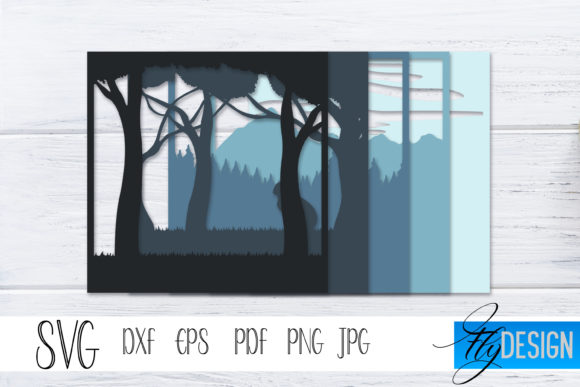
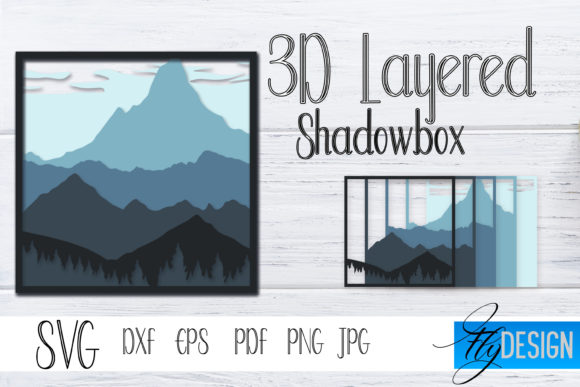
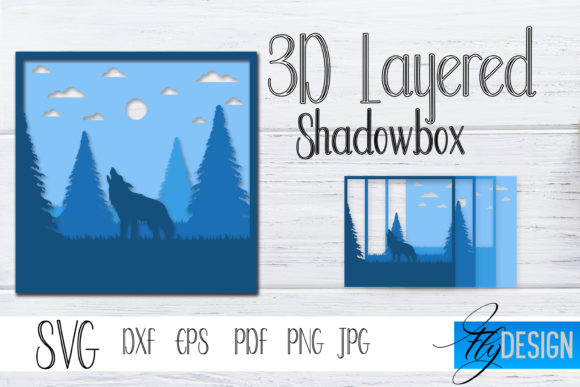
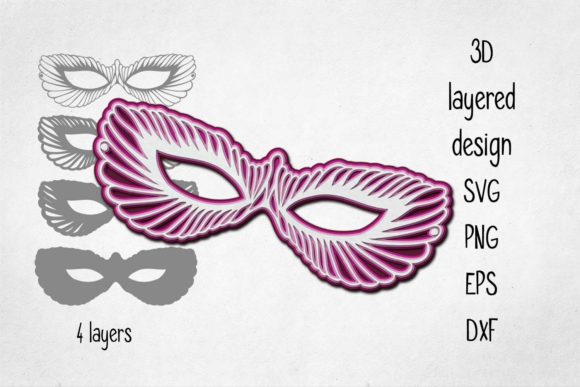
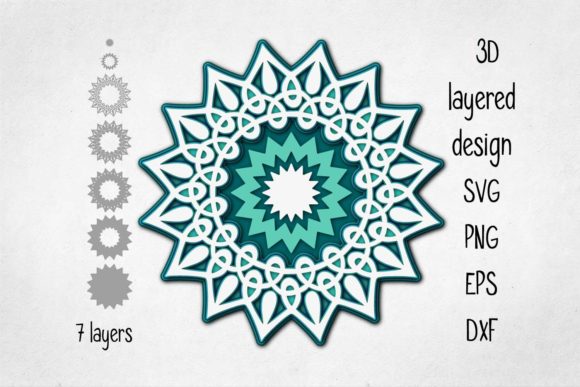
At its core, a 3D Layered Mandala Template is a pre-designed digital or printable pattern composed of multiple concentric layers. Each layer is cut separately and then stacked using foam pads, adhesive dots, or spacers to create a raised, three-dimensional effect. Unlike a single flat mandala, the layered version gives each ring of the design its own physical plane, resulting in a shadow box-like appearance that shifts as lighting or viewing angle changes.
These templates come in various formats. Some are designed for cutting machines like Cricut or Silhouette, with SVG or DXF files that allow precise automated cutting. Others are printable PDFs intended for hand-cutting with a craft knife. Regardless of format, the principle remains the same: you place one layer on top of another, separated by a small gap, to create a sculptural piece of art that feels as rich as it looks.
Why Crafters and Designers Struggle with Flat Mandalas
Creating a mandala by hand is already a test of patience and precision. Many people enjoy the meditative process, but they often hit a wall when the finished piece feels underwhelming. The design might be beautiful on paper, but it lacks presence when hung on a wall or placed on a desk. Flat mandalas can get lost in busy spaces, fail to catch the light, or simply not command the attention they deserve.
Another common challenge is finding a template that is both detailed enough to be interesting and simple enough to actually complete. Beginners often feel overwhelmed by hundreds of tiny cut lines, while experienced users may get bored with designs that look too basic. The 3D Layered Mandala Template addresses both of these problems by distributing complexity across multiple layers. Instead of one dense pattern with endless fine cuts, you get several moderate-detail layers that build on each other. This makes the project more manageable and the final result far more impressive.
How Layering Solves Common Design Problems
The dimensional quality of a layered mandala changes how people interact with your work. Light hits each raised element differently, creating natural highlights and shadows that shift throughout the day. This dynamic quality turns a static decoration into something that rewards repeated viewing. Whether you place it in a window, on a shelf, or inside a shadow box frame, the depth draws the eye and invites closer inspection.
From a practical standpoint, layering also helps mask small cutting errors. If you miss a tiny section or a cut is slightly off, the shadow cast by the layer above often hides the imperfection. This forgiveness is especially valuable for beginners who are still developing their knife or machine skills. The 3D Layered Mandala Template therefore not only improves aesthetics but also reduces frustration during the making process.
Paper Craft Enthusiasts
If you enjoy card making, scrapbooking, or home decor projects, a layered mandala adds instant sophistication to your work. You can create wall art for a meditation room, a centerpiece for a greeting card, or even a set of layered coasters. Because the template is scalable, you can adjust the size to fit your specific project. Many crafters use cardstock in various colors to make each layer stand out, while others stick to a single color palette for a more subtle, monochromatic look.
Digital Designers and SVG Users
For those who work with cutting machines, the 3D Layered Mandala Template in SVG format streamlines the entire process. You load the file into your design software, adjust the material settings, and let the machine handle the precision work. This opens up possibilities for batch production if you want to make multiples for gifts, markets, or workshops. You can also experiment with different materials like metallic cardstock, vellum, or even lightweight acrylic to achieve unique effects.
Therapeutic and Mindfulness Practitioners
Mandalas have long been associated with relaxation and focus. Adding the physical act of cutting and assembling layers deepens this experience. The repetitive motion of cutting concentric circles and aligning them with spacers can be meditative in its own right. Therapists, art teachers, and wellness coaches often use layered mandala projects to help clients practice patience, fine motor skills, and sustained attention. The finished piece also serves as a tangible reminder of the calm achieved during the process.
Choosing the Right Template for Your Needs
Not all 3D Layered Mandala Templates are created equal. When selecting one, consider the number of layers. Three to five layers are typical for beginners and work well for smaller projects. Six to ten layers allow for more intricate depth and detail, but they require more time and material. Also look at the overall diameter and the spacing recommendations. Some templates come with built-in guides for where to place adhesive spacers, which saves trial and error.
If you are new to this type of project, start with a template that has a clear instruction sheet or video tutorial. Knowing which layer goes first and how thick your spacers should be makes a significant difference in the final look. Experienced users might prefer templates that offer customization options, such as editable SVG files where you can swap out individual layers or alter the design to fit a theme.
Materials and Tools That Make a Difference
Your choice of material directly impacts the quality of the finished piece. Cardstock between 65 lb and 110 lb works well for most projects. Heavier cardstock holds its shape better when raised, but it can be harder to cut with fine detail. Lighter paper is easier to cut but may not stand up as firmly. If you use a cutting machine, test your material settings on a small piece first to avoid tearing or incomplete cuts.
For assembly, foam adhesive squares or dots are the most common way to create separation between layers. You can also use strips of foam tape cut to size. The height of the spacer matters. Typical spacers range from one to three millimeters. Thicker spacers create more dramatic depth but also require more precise alignment. Some crafters mix spacer heights within the same project, using thinner spacers for inner layers and thicker ones for outer layers to create a gentle dome effect.
Tips for a Clean and Professional Finish
One of the most overlooked aspects of working with a 3D Layered Mandala Template is alignment. Even a small shift between layers can ruin the symmetry that defines a mandala. To avoid this, use a light box or a window to line up layers before pressing them down. If your template has registration marks, use them. For hand-cut projects, consider taping the template to your paper at the edges to prevent slipping while you cut.
When gluing, apply adhesive only where it will be hidden by the layer above. Exposed glue dots or tape can catch dust or become visible over time. Work from the bottom layer up, and give each layer time to settle before adding the next. Patience here pays off in a cleaner final product.
If you plan to frame your mandala, choose a shadow box frame with enough depth to accommodate the tallest layer. Standard frames are often too shallow, which compresses the layers and reduces the three-dimensional effect. A shadow box typically has an internal depth of at least one inch, which comfortably fits most layered designs.
Customizing Your Mandala for Unique Effects
Once you are comfortable with the basic process, you can start to personalize your templates. Try using different colors for each layer to create a gradient effect from the center outward. Or use the same color but different finishes, such as matte for the base layer and glossy or metallic for the top layer. Some designers add backlighting by placing a small LED panel behind the mandala, which makes the gaps between layers glow. This works especially well with vellum or translucent paper layers.
You can also combine a 3D Layered Mandala Template with other techniques like embossing, foiling, or stenciling. Adding gold foil to the top layer gives the piece a luxurious feel. Embossing certain sections adds another level of tactile interest. The modular nature of the template makes it easy to experiment without starting from scratch each time.
Sharing and Selling Your Work
Many people who start with a layered mandala template eventually want to share their creations online or even sell them. Because the templates are often licensed for personal and commercial use, it is important to check the terms of use before selling finished pieces. Some designers allow unlimited commercial use, while others require attribution or a license fee. Respecting these terms supports the creators who make these templates available.
If you sell at craft fairs or on platforms like Etsy, layered mandalas tend to attract attention because of their dimensional quality. Photographing them well is key. Use side lighting to emphasize the shadows between layers, and show a few close-up shots that highlight the depth. Customers often appreciate knowing the layer count, the dimensions, and whether the piece comes with hardware for hanging.
Final Considerations for Long-Term Enjoyment
A well-made layered mandala can last for years, but it does require some care. Dust can settle in the gaps between layers, so occasional gentle cleaning with a soft brush or compressed air helps maintain its appearance. Avoid placing the piece in direct sunlight for extended periods, as paper and cardstock can fade over time. If you use adhesive that degrades with heat, keep the mandala in a climate-controlled room.
The 3D Layered Mandala Template is more than just a crafting trend. It offers a practical way to elevate your creative work, solve common design frustrations, and produce art that feels substantial and intentional. Whether you are making a single piece for your home, teaching a class, or building an inventory for sale, the layered approach gives you a reliable method for achieving professional-looking results. Start with a template that matches your current skill level, invest in quality materials, and give yourself room to experiment. With each project, you will gain more confidence and develop a style that is distinctly your own.