Real Estate Flyer Design: Templates & Creative Ideas
A property’s first impression often happens on paper or screen, long before a potential buyer steps through the front door. A thoughtfully designed real estate flyer bridges the gap between a listing and a visit, translating square footage and features into a compelling visual story. Real estate house flyer design templates provide the essential structure for this story, allowing you to focus on customization and strategy rather than starting from a blank canvas. Whether you’re a seasoned agent, a property developer, or a homeowner selling on your own, understanding how to use these templates effectively transforms a simple layout into a powerful marketing tool.
What Makes a Flyer Template a Strategic Asset
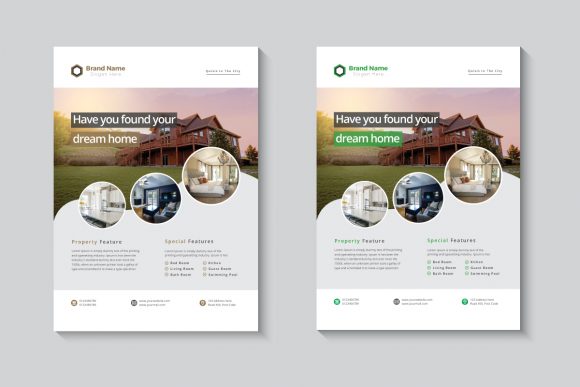
A real estate house flyer design template is far more than a decorative frame for a photo. It is a structured communication system that organizes key property details—price, location, bedrooms, bathrooms, and square footage—around a central visual anchor. The most effective templates establish a clear visual hierarchy, guiding the viewer’s eye from the hero image to the headline, then to the supporting features, and finally to a strong call-to-action. This logical flow helps potential buyers absorb critical information quickly, increasing the likelihood of inquiries and showings. The template’s grid, typography scales, and color swatches work together to create a professional foundation that builds trust and credibility.
Matching Design Style to Property Personality
A downtown penthouse and a countryside cottage require distinctly different visual languages. Choosing the right template style is the first step in aligning your marketing with the property’s character and target buyer.
Minimalist Modern for Urban Living
Clean lines, generous white space, and sans-serif typography define this approach. Color palettes often lean toward monochromatic schemes with a single bold accent. This style works particularly well for condos, lofts, and contemporary homes, projecting an image of sophistication and uncluttered living. The focus remains squarely on the architecture and finishes, without visual noise from decorative elements.
Warm and Inviting for Family Homes
The goal here is to evoke comfort, belonging, and lifestyle. Templates in this category typically use warmer color palettes—soft beiges, warm grays, muted greens, or earthy tones—combined with approachable serif or humanist sans-serif fonts. Lifestyle photography, such as a family enjoying the backyard or a cozy living room with natural light, feels right at home in these layouts. The design should whisper, “this is where memories are made.”
Bold and Luxurious for High-End Estates
Luxury properties demand exclusivity and refinement. Dark, moody color schemes, elegant serif or script typefaces, and minimalist layouts that let stunning architectural photography take center stage are hallmarks of this style. Fine details like metallic accents, geometric borders, or subtle texture overlays can reinforce the premium nature of the listing. Every element should convey quality and attention to detail.
Creative Adaptations Across Different Platforms
A single template can often be extended across multiple marketing channels, maximizing the return on your design effort. The key is adapting the format while maintaining brand and message consistency.
Print Flyers and Direct Mail Campaigns
For physical materials, the template must prioritize legibility and durability. High-contrast text, designated bleed areas for printing, and a clear focal point are non-negotiable. These flyers are often handed out at open houses or mailed to targeted neighborhoods. Consider leaving space for a handwritten note or a personalized sticker—small touches that create a tangible connection with the reader.
Digital Showcases for Social Media and Email
When repurposing a template for digital use, attention to aspect ratios is critical. A vertical 4:5 format works best for Instagram and Facebook feeds, while a landscape layout suits email headers or website banners. The template’s structure can be sliced into individual slides for a carousel post, each highlighting a different feature of the home—curb appeal on slide one, the renovated kitchen on slide two, the master suite on slide three. This approach drives engagement by keeping viewers clicking through the story.
Interactive Elements for Open House Campaigns
Modern templates integrate seamlessly with digital tools. Placing a QR code within the design allows viewers to access a virtual tour, a mortgage calculator, or a direct scheduling page instantly. The code should be positioned strategically, such as in a corner or alongside the call-to-action, without disrupting the visual flow. This small addition turns a static flyer into a dynamic gateway to further information.
Tailoring Templates for Different Users and Goals
Different creators have distinct priorities when using a real estate house flyer design template. Recognizing your role helps you customize the template most effectively.
For the Real Estate Agent: Branding and Efficiency
Consistency across listings builds brand recognition. The most efficient workflow is to select a master template, customize it thoroughly with your logo, brand colors, and standard contact layout, and then save it as a base file. For each new listing, you simply swap the hero photo, property details, and headline. This approach saves valuable time while ensuring every piece of marketing material reinforces your professional identity. An agent specializing in suburban family homes, for example, might establish a template with a soft green and navy palette, using a warm serif font for headlines. Over time, this consistency becomes a signature.
For the Home Seller: Professional Results without Design Experience
Selling a property without an agent means marketing falls on the homeowner. Templates empower FSBO sellers to create professional-looking materials without graphic design experience. The recommendation here is to choose a clean, simple template that doesn’t require complex customization. Focus on using the best possible photos—good lighting and clear composition matter more than expensive equipment. Presenting a well-organized, visually appealing flyer signals to buyers that the property is being handled with care and seriousness.
For the Property Developer: Highlighting Lifestyle and Community
Developers often market concepts or phased launches rather than a single address. Templates can be adapted to focus less on specific unit details and more on the overall lifestyle or community benefits. Floor plans, amenity descriptions, site maps, and lifestyle imagery can all be integrated into the template structure. The design should prioritize a cohesive vision, helping potential buyers imagine themselves living in the community rather than just inside a unit.
Layout Strategies That Drive Engagement
Even the best template requires thoughtful customization to maximize its impact. Understanding a few layout principles can significantly improve your flyer’s effectiveness.
Visual Hierarchy Matters. The most important element—usually the hero image or the price—should be the first thing a viewer sees. Use size, color contrast, and placement to establish this order. A template provides the structure, but you must ensure the most critical message dominates the composition.
Headlines Should Sell Benefits. Instead of the generic “For Sale,” craft a headline that speaks to the buyer’s desires. “Modern Living in the Heart of Downtown” or “Your Dream Home Awaits” are far more effective at capturing attention. The template’s header area is prime real estate for this message, so treat it with intention.
Call-to-Action Clarity is Essential. What do you want the reader to do next? Whether it’s visiting a website, calling for a private showing, or attending an open house, the call-to-action must be instantly recognizable. Use the template’s designated action area or a contrasting button shape to make it impossible to miss.
Maintaining Clarity, Consistency, and Originality
While templates provide a pre-designed framework, the final output should feel tailored and authentic to the property. Keeping the following principles in mind will ensure your flyer stands out for the right reasons:
- Font Discipline: Stick to one or two font families from the template. Mixing too many styles creates visual clutter and reduces readability.
- Color Consistency: Use the template’s color palette as a guide. Adjust hues to match your brand or the property’s personality, but maintain a consistent scheme throughout the entire piece.
- Image Quality is Everything: A template cannot fix a blurry or poorly composed photo. Invest in high-resolution images, crop them to fit the designated spaces perfectly, and ensure balanced lighting.
- The Human Element: Add a short note or a specific selling point about the neighborhood. “Walking distance to the park” or “Sun-drenched south-facing backyard” makes the flyer feel personal and unique, moving beyond generic marketing copy.
- Meticulous Proofreading: Nothing undermines credibility faster than a typo in the price or a misspelled street name. Double-check every factual detail before printing or publishing.
A real estate house flyer design template is a powerful ally in property marketing. It provides the professional framework needed to present a home effectively while offering the flexibility to highlight what makes each property distinct. By understanding design principles, adapting layouts to specific platforms, and tailoring content to a target audience, you can transform a simple template into a compelling marketing asset that opens doors and generates real interest. Start with a solid structure, infuse it with your unique value, and let the template do the heavy lifting.