V Negative Space Logo: The Art of Hidden Meaning
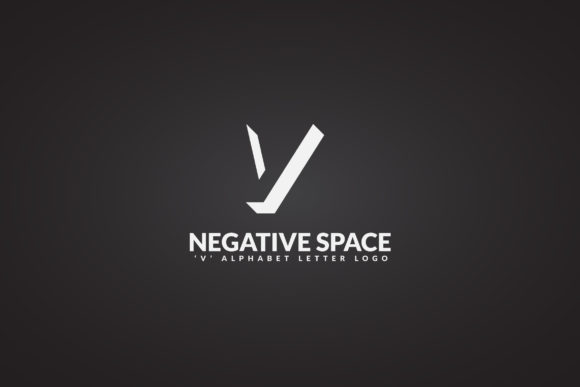
The most memorable logos don’t just look good—they make you stop and think. A V negative space logo achieves exactly that by weaving a second visual layer into a single letterform, creating a design that feels both minimal and loaded with meaning. For graphic designers, brand strategists, and creative directors, mastering this technique means delivering logos that reward repeat viewing while remaining instantly recognizable at any size.
Why V Negative Space Logos Work in Modern Branding
In a world where attention spans are measured in milliseconds, every visual element must earn its place. Negative space logos—especially those built around the letter V—excel because they communicate two ideas at once without adding clutter. The V shape itself suggests direction, victory, or movement, while the hidden imagery can reinforce brand values, product offerings, or company culture. This dual reading creates a lasting impression that flat, literal logos simply cannot match.
From a visual design standpoint, negative space also improves visual hierarchy and readability. The brain naturally seeks patterns, so when a secondary image emerges from the negative space, it triggers a moment of delight and discovery. This emotional engagement strengthens brand recall and makes the logo a talking point across social media graphics, packaging design, and advertising campaigns.
Core Benefits for Your Design Workflow
- Scalability: A well-crafted V negative space logo remains legible whether it’s on a favicon, a billboard, or an embroidered patch. The simplicity of the form ensures it doesn’t break down at small sizes.
- Versatility across media: Use it in web design, UI design, print design, editorial design, and even motion graphics without losing the hidden message.
- Professional differentiation: In a sea of generic typography, a cleverly hidden visual element signals that your brand identity was built by someone who understands modern aesthetics and design trends.
Practical Applications Across Creative Projects
Because the V form is inherently geometric, it adapts beautifully to almost every design context. Here are several ways you can deploy a V negative space logo in real-world projects.
Branding and Logo Design Systems
The most natural home for this approach is the core logo itself. By combining the V with icons like an arrow, a tree, a mountain, a ribbon, or a geometric abstract shape, you create a brand mark that works as both a standalone symbol and a typographic letter. Pair it with a restrained color palette—often monochrome or single accent—to let the negative space do the heavy lifting. The result is a professional presentation that feels both modern and timeless.
Marketing and Social Media Graphics
Repurpose the V negative space motif for digital marketing assets. Use the core shape as a watermark, a story highlight icon, or a repeating pattern on social media graphics. Because the design is minimal, it doesn’t compete with copy or calls to action. Instead, it subtly reinforces brand presence across every touchpoint.
Website and UI Design
In web design and UX design, the V negative space logo works exceptionally well as a loading animation, a navigation marker, or a hero section accent. Its clean lines integrate seamlessly with modern layouts, and the hidden imagery adds a layer of discovery that improves user engagement. Avoid overcomplicating the animation—a simple fade or rotation that reveals the secondary image is often enough to create impact.
Editorial and Print Design
Magazines, annual reports, and editorial design projects benefit from the V negative space logo when used as a section divider, a footer mark, or a subtle background element. The trick is to maintain enough contrast between the foreground and background so the negative space remains visible at small sizes. Test prints at actual scale before finalizing.
Packaging and Merchandise
On packaging design and merchandise, simplicity is everything. A V negative space logo can be embossed, foil-stamped, or screen-printed without losing detail. It works on curved surfaces like bottles, cylindrical boxes, and apparel because the geometry is stable. Use a single color on a contrasting background to maximize the hidden imagery’s visibility.
Tips for Selecting and Refining Your V Negative Space Logo
Not every V negative space concept is worth pursuing. To ensure your design meets brand identity goals and stands up to real-world use, keep these factors in mind.
- Prioritize instant readability. If the hidden image takes more than two seconds to see, the design is too clever for its own good. Show it to people unfamiliar with the concept and watch their reaction. If they smile—or say “aha!”—you are on the right track.
- Consider your audience’s expectations. A tech startup may respond best to abstract geometry, while a wellness brand might need a nature-inspired silhouette. The hidden imagery should feel relevant to the brand story, not arbitrary.
- Test across media early in the design workflow. Sketch the logo in black and white first. Then scale it down to 24 pixels, test it on a dark background, and check it inside a square avatar. If it fails any of these tests, simplify the negative space until it passes.
- Integrate with existing brand systems. The V negative space logo should complement your typography, color palette, and other brand assets. It shouldn’t feel like a disconnected decoration. Use the same stroke weights, angles, and spacing that appear in your primary logotype.
Typography and Composition Considerations
The V is a strong geometric letter, but its proportions can vary dramatically depending on the typeface. For a negative space logo, avoid overly narrow or overly wide V forms. A balanced isosceles V—one where the legs are roughly equal in angle and thickness—offers the most neutral canvas for hidden imagery. Pair it with a sans-serif or geometric typography system for a cohesive, minimal look. If your brand leans toward modern aesthetics, consider a custom-drawn V that tilts slightly forward to suggest motion.
Color choice matters equally. A V negative space logo often works best in high-contrast combinations: black and white, dark navy and gold, or deep green and cream. Avoid low-contrast pastels or busy backgrounds that obscure the negative space shape. When you do use color, confine it to the negative space area itself to draw the viewer’s eye directly to the hidden message.
The Lasting Value of Thoughtful Negative Space
Great design respects the viewer’s time and intelligence. A V negative space logo delivers a clear brand message while inviting closer inspection—a rare combination that elevates visual communication from mundane to memorable. Whether you are building a brand from scratch, refreshing an existing identity, or sourcing creative assets for a campaign, the careful use of negative space ensures your work stands out in a crowded visual landscape. Prioritize clarity, test relentlessly, and let the hidden meaning reinforce your brand story without ever needing to explain it aloud.